
+86 13655751246

PP Compression Fitting Wholesale

Home / Products / PP Compression Fitting
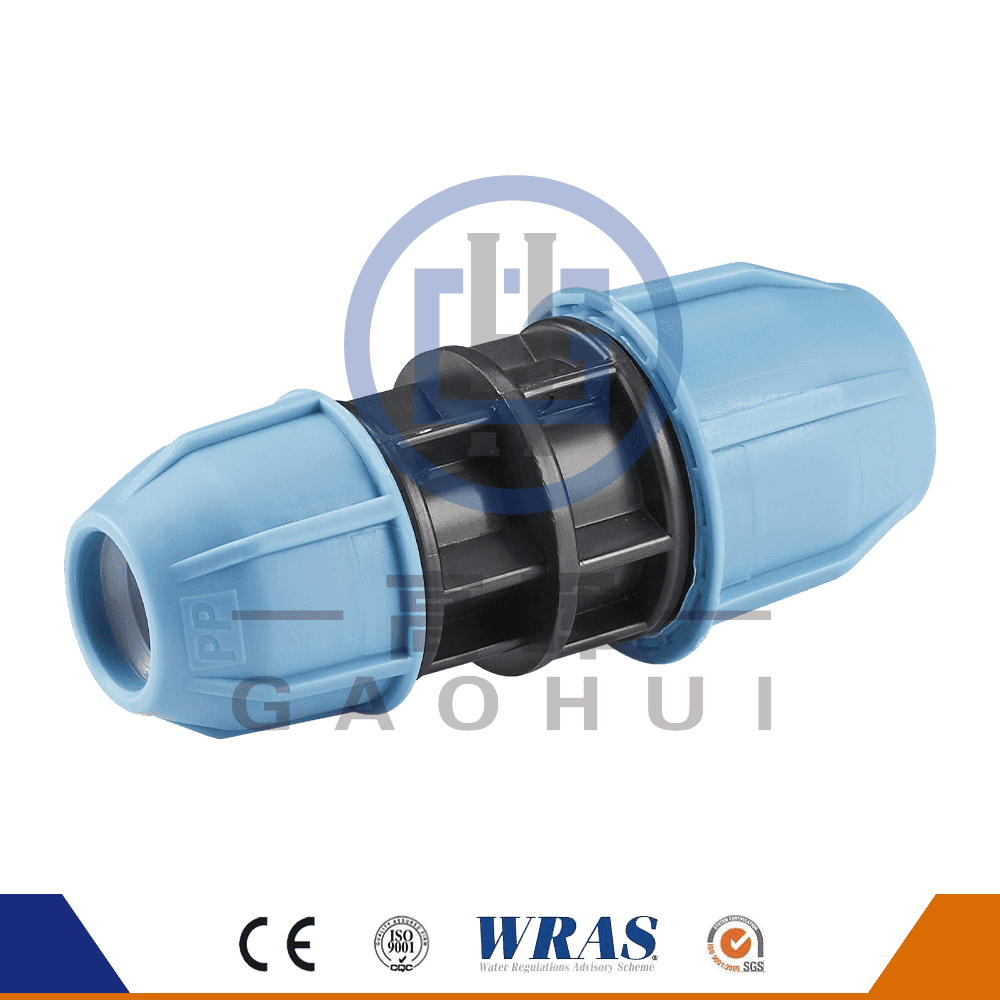
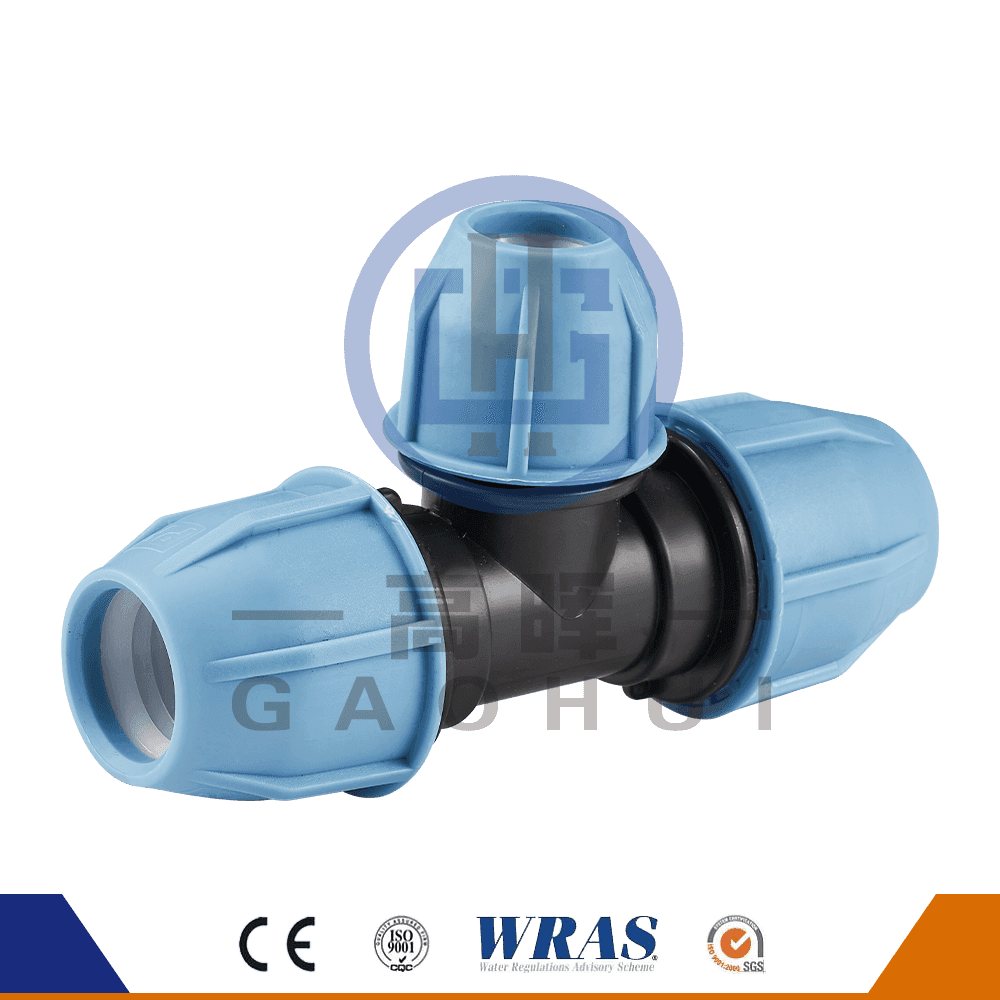
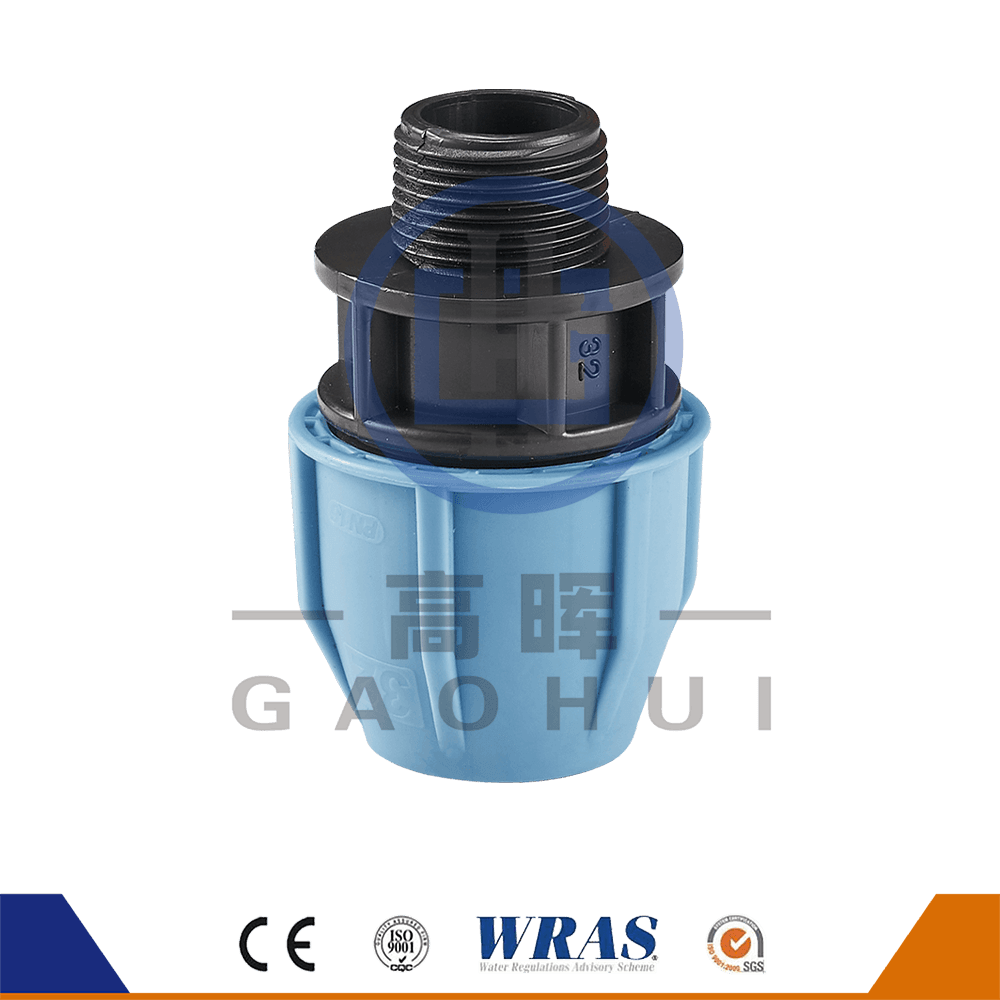
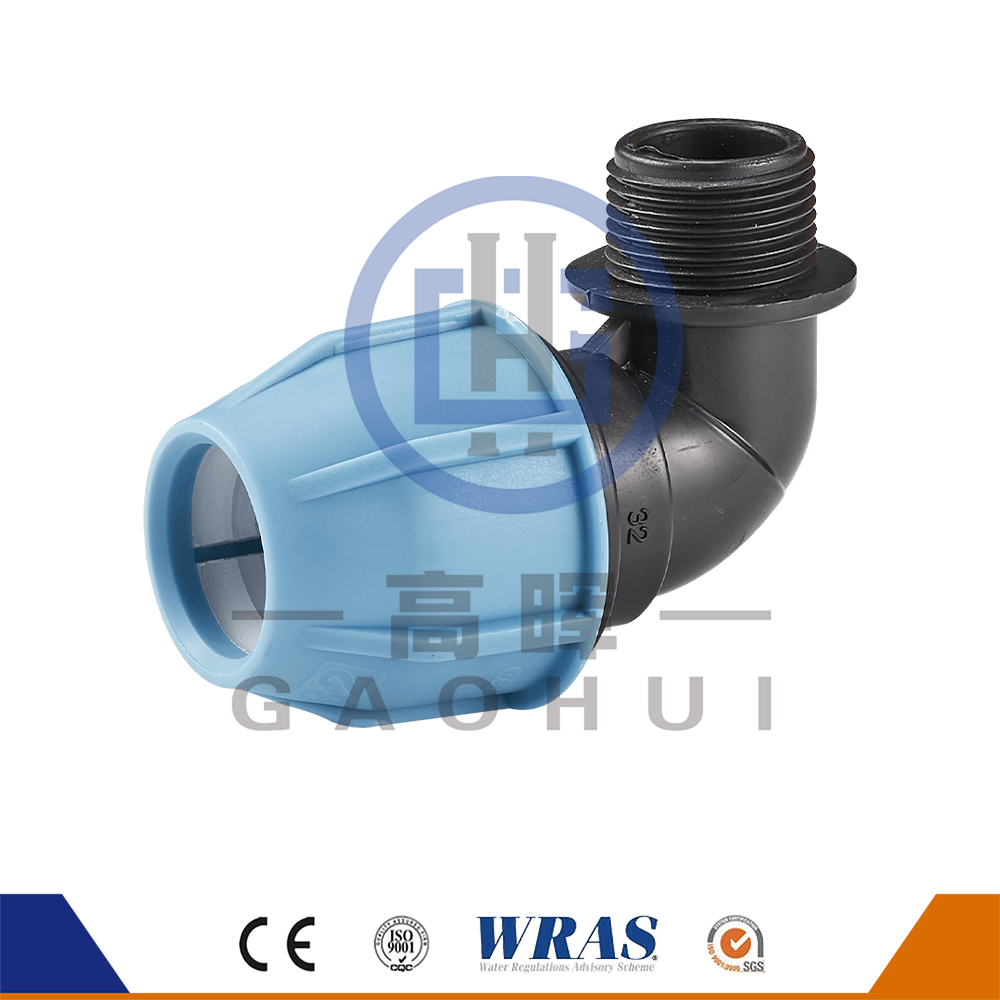
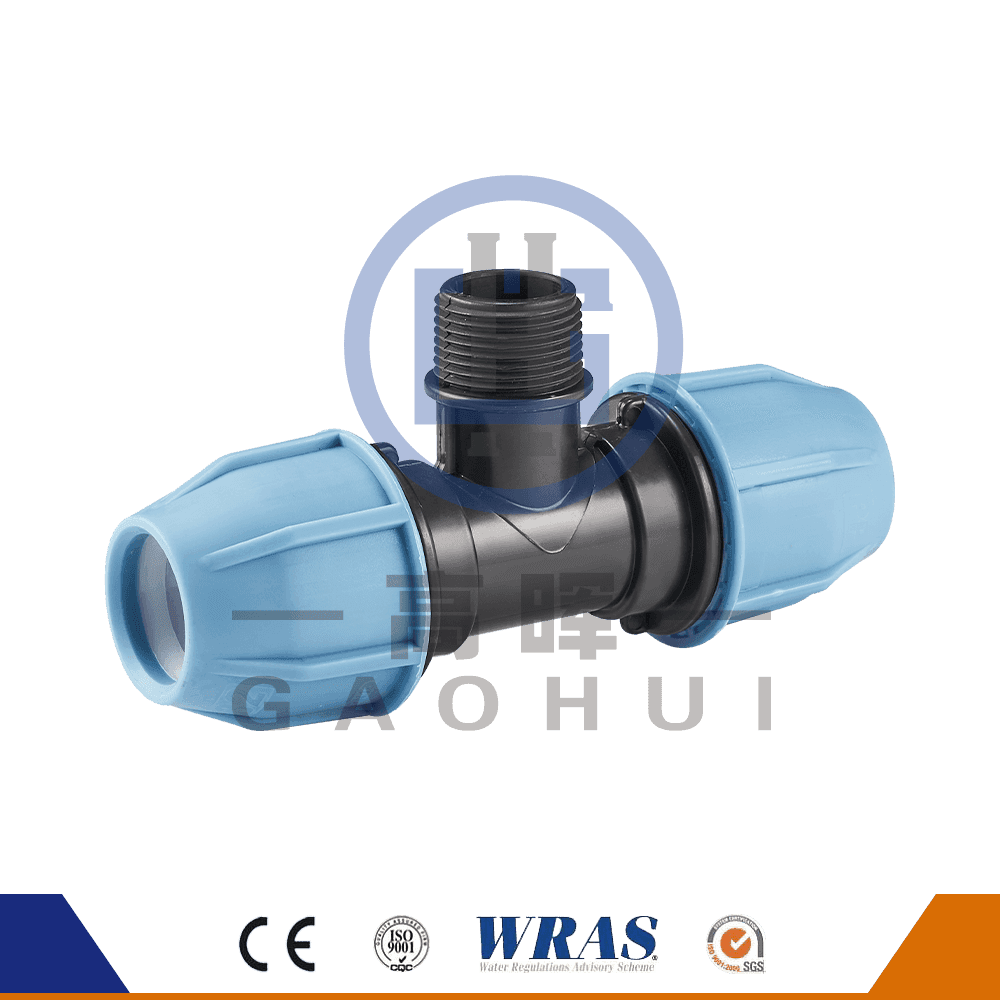
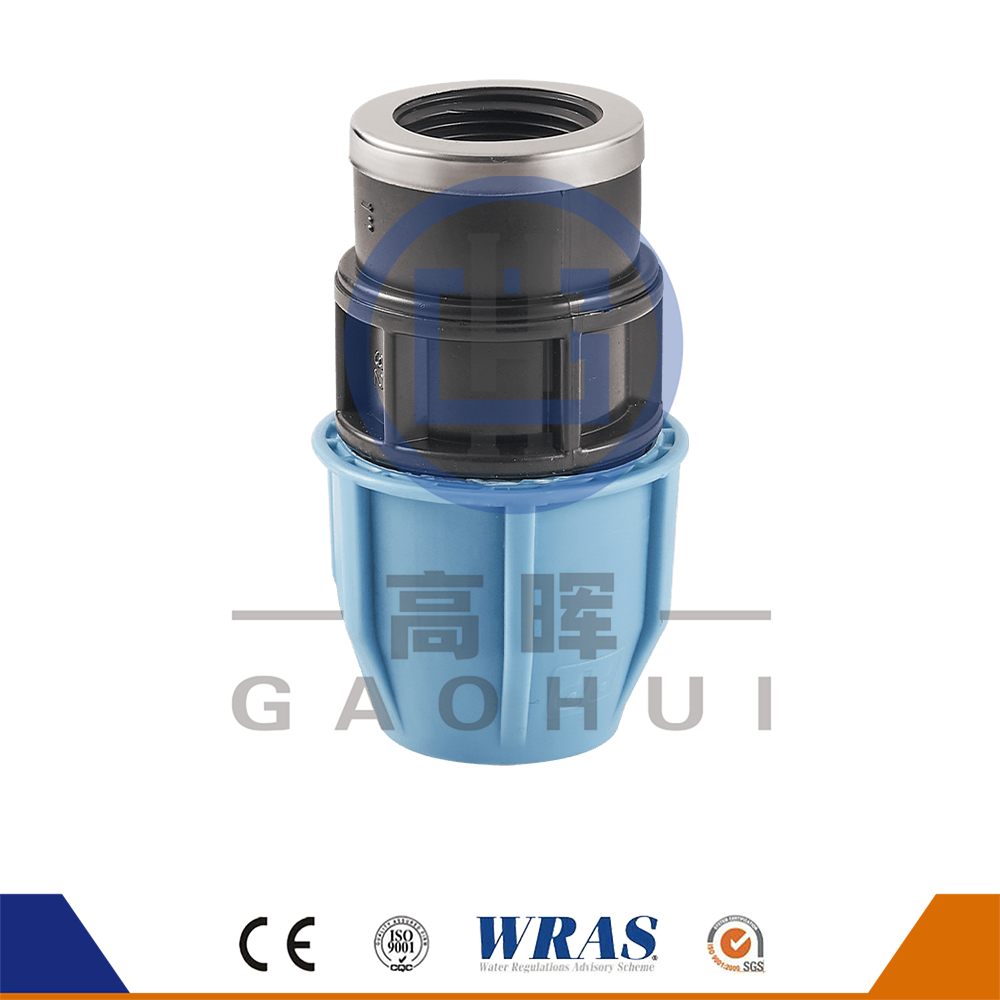
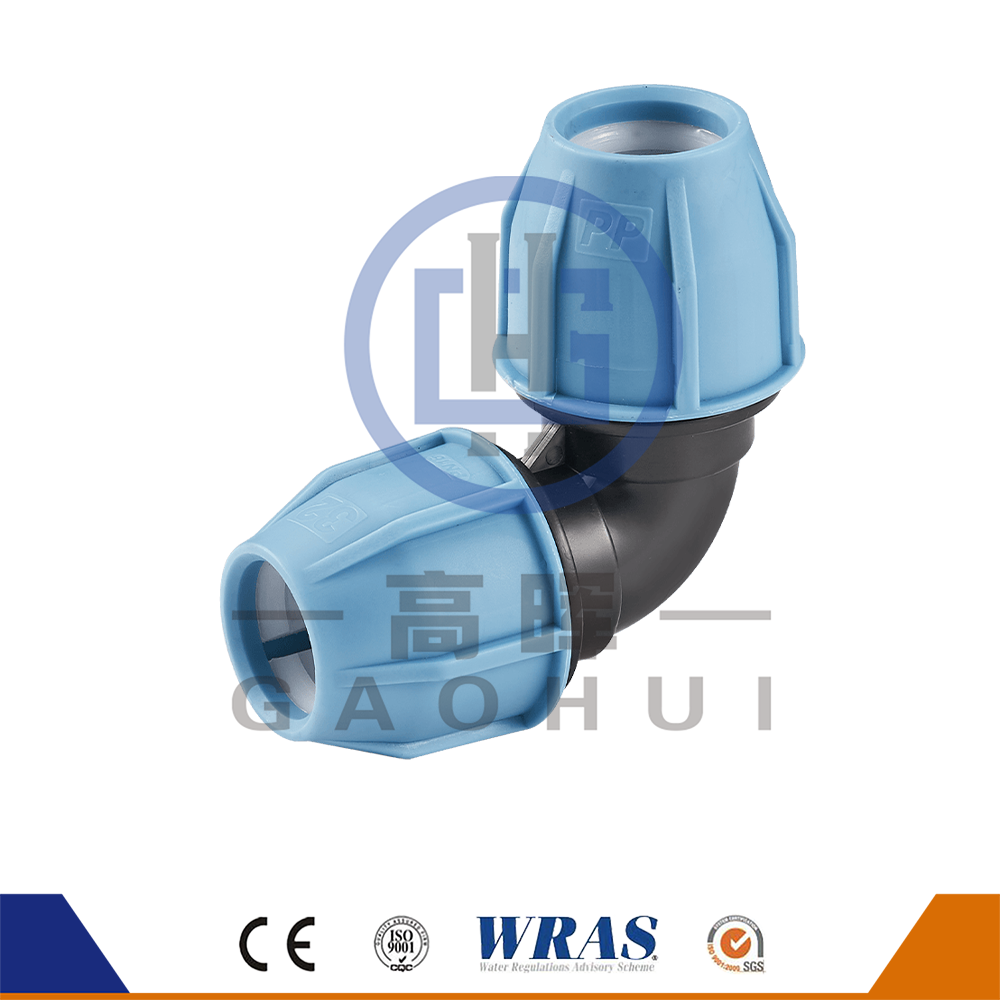
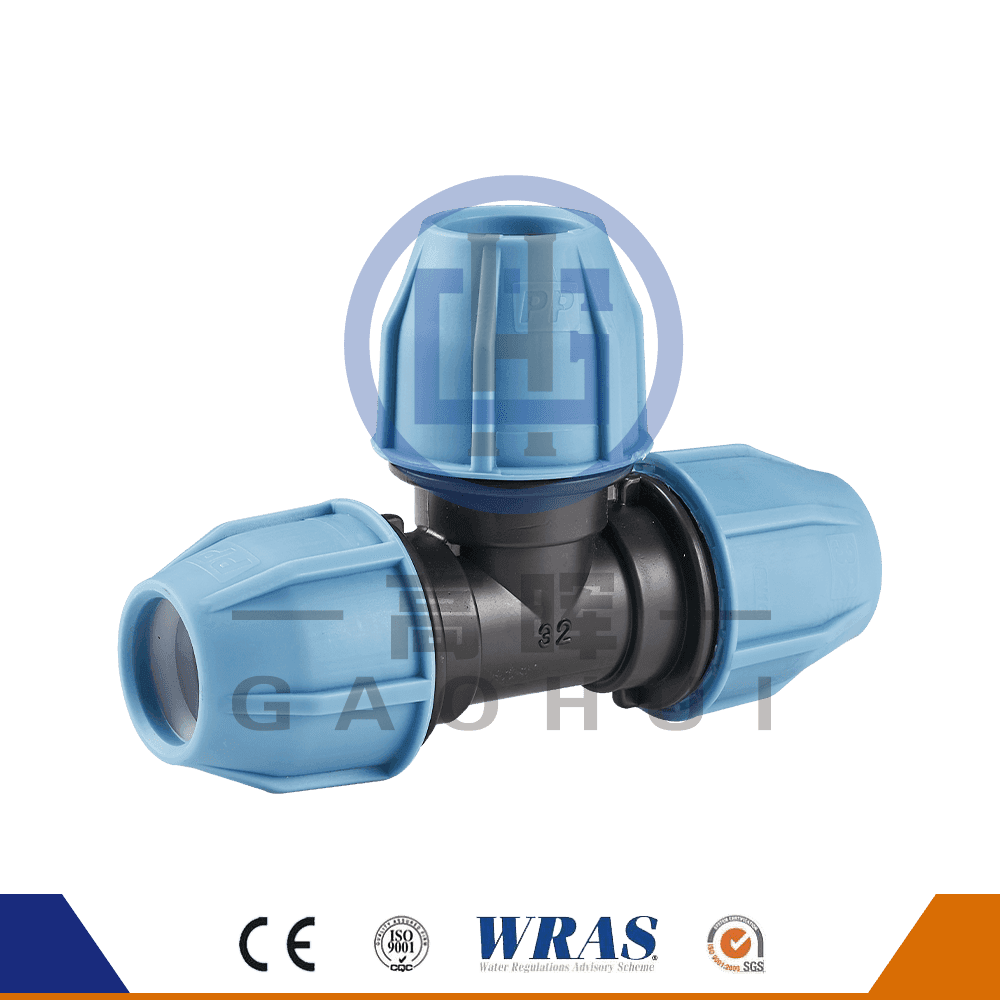
PP compression fittings are a type of thermoplastic pipe fitting used for connecting polypropylene (PP) pipes or another material pipe together. They are designed specifically for easy installation without the need for special tools or equipment. PP compression fittings typically consist of a body with internal components such as O-rings or rubber seals that ensure a secure and leak-proof connection.
The process of installing a PP compression fitting involves inserting the pipe into the fitting body, ensuring a proper fit, and then tightening the compression nut or ring to create a strong and reliable joint. These fittings are widely used in plumbing, irrigation, and industrial applications due to their convenience, durability, and resistance to chemicals and corrosion.
HDPE PIPE & HDPE PIPE FITTING
  • Long service life

    The PE pipe has high molecular weight, good stability and anti-aging ability. Under normal operating temperature, the service life of PE pipe can be guaranteed to be more than 50 years.

  • Environmental performance

    PE pipes do not add metal stabilizers during the processing process, and the material is non-toxic, without scaling layer, and does not breed bacteria. It is a safe and hygienic pipeline material. PE material itself can be recycled and will not produce substances that have an impact on the environment.

  • Corrosion resistance

    The molecular structure stability of PE pipes is extremely high and there is no electrochemical corrosion. Among many pipeline materials, the corrosion index of PE pipes is relatively small, and apart from a few oxidants, they can withstand corrosion from various chemical media.

  • Impact resistance

    PE pipe is a high toughness pipe material with a fracture elongation rate of over 500%, which has impact and earthquake resistance, and strong adaptability to uneven settlement of the pipe foundation.

  • Low temperature resistance

    HDPE pipes have good low-temperature resistance and will not exhibit brittle cracking even in extremely low environments.

  • Wear resistance

    HDPE pipes have flat walls and low flow resistance, resulting in fluid friction performance, not only wear resistance but also high conveying efficiency.

Zhuji Gaohui Machinery Co., Ltd.

About Us

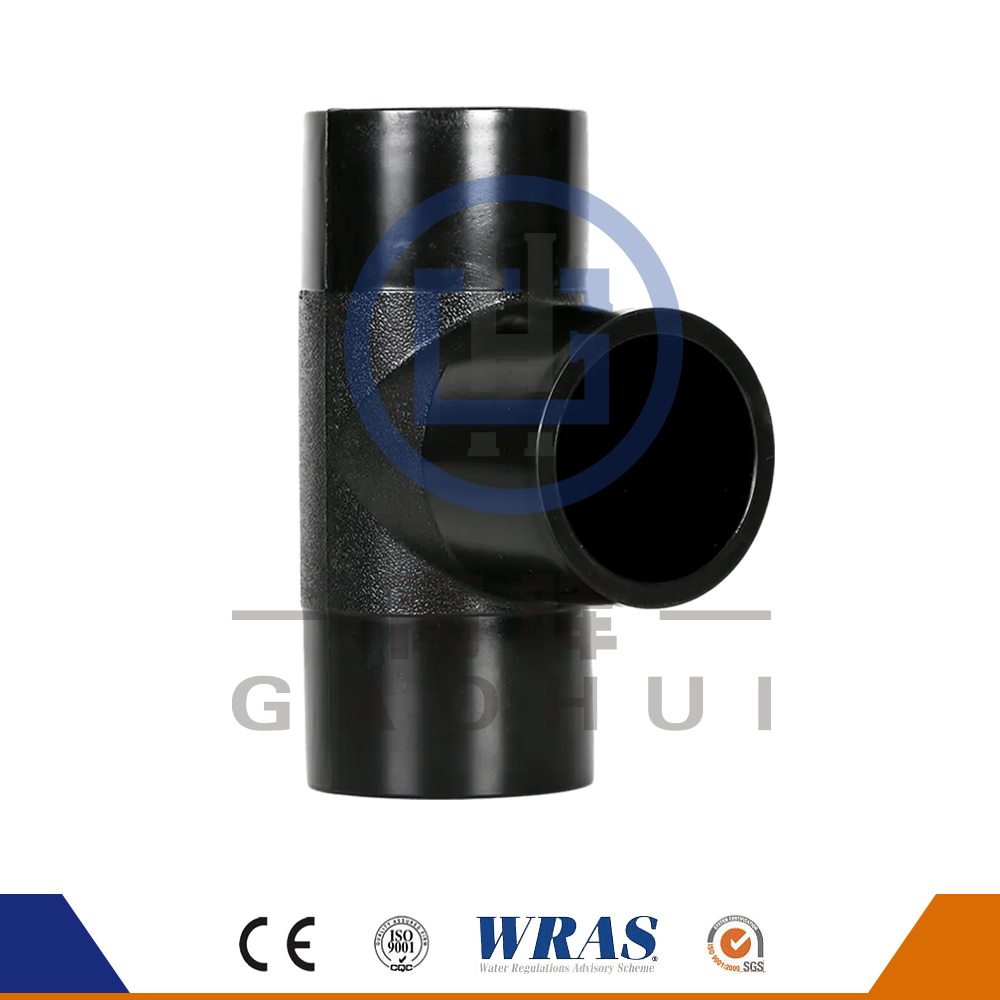
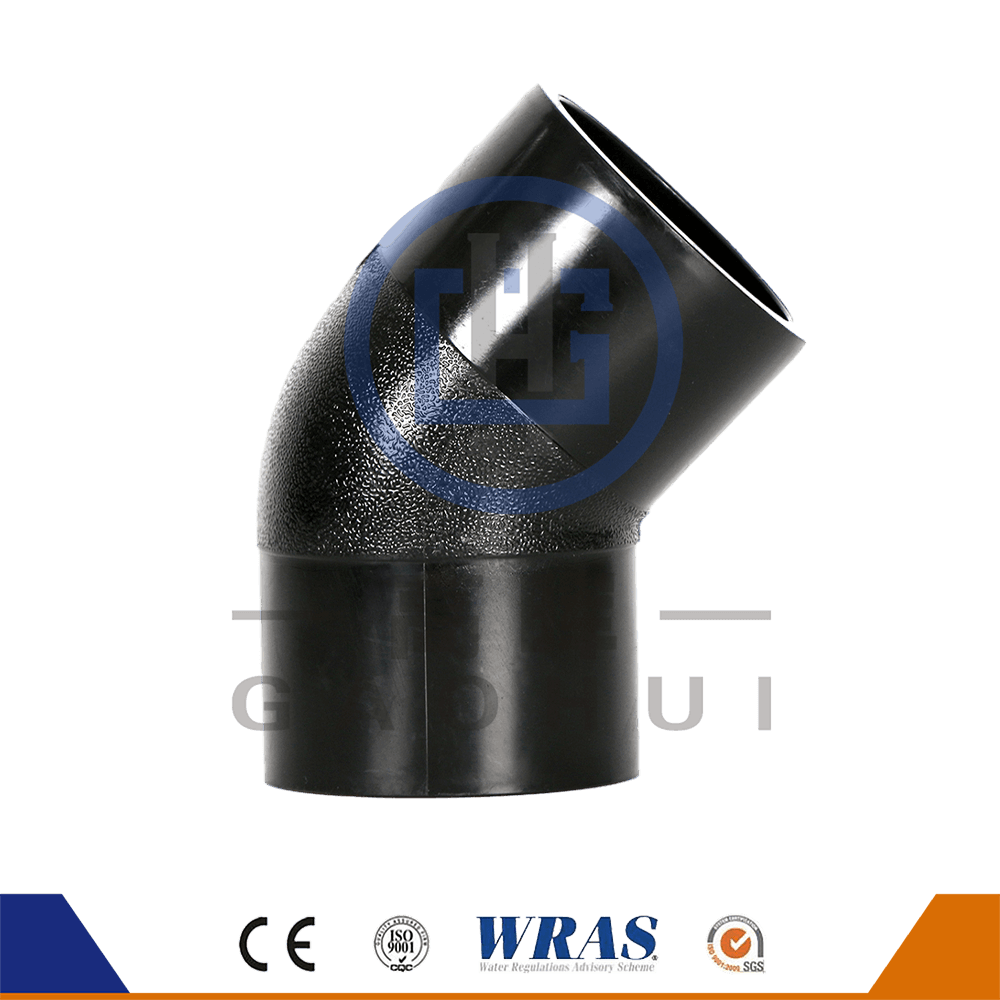
Zhuji Gaohui Machinery Co., Ltd., Gaohui is professional China PP Compression Fitting Manufacturers and Wholesale PP Compression Fitting Factory engaged in the research, development, production, sale, and service of PP Compression Fitting, our main products are HDPE pipe fittings, such as electrofusion fittings, butt fusion fitting, thread fittings and etc.
We not only provide our customers with high-quality goods at factory gate prices but also provide professional pipeline application solutions. Our HDPE pipe fittings guarantee 50 years of service life in normal use. We are located in Zhuji City, Zhejiang Province, China with convenient transportation access. Delicate strict quality control and timely customer service, our experienced staff members are always available to discuss your requirements and ensure customer satisfaction. More than 50 sets of production equipment and skilled workers make sure of time delivery, we can supply HDPE fitting up to 1200mm.
In recent years, for the purpose of enlarging overseas markets, we took part in overseas exhibitions, our products are selling well in the domestic market, also our products are exported overseas, such as Netherlands, Vietnam, Philippines, Indonesia, Malaysia, Maldives, Nigeria, Thailand, Pakistan and etc., and get good reputation from customers. we also welcome ODM and OEM orders, whether selecting our current products from our catalog or seeking an engineering system for your application.
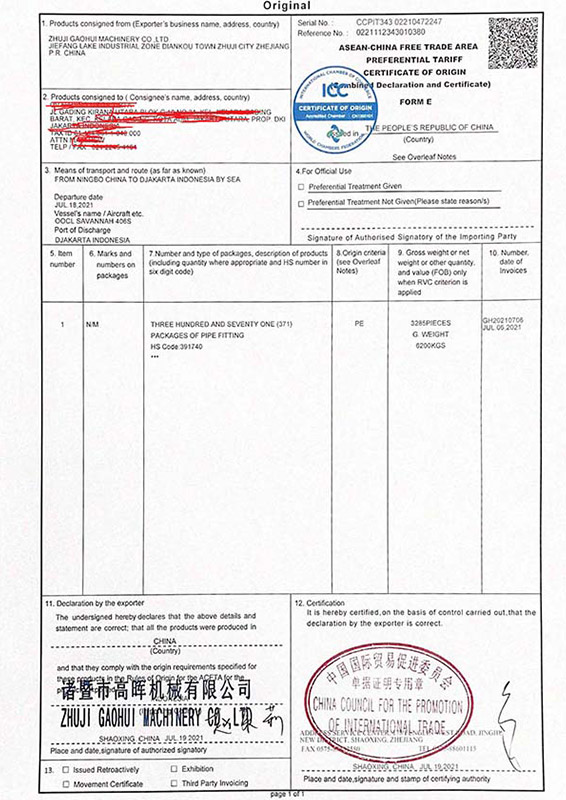
Honor

  • honor
    honor
  • honor
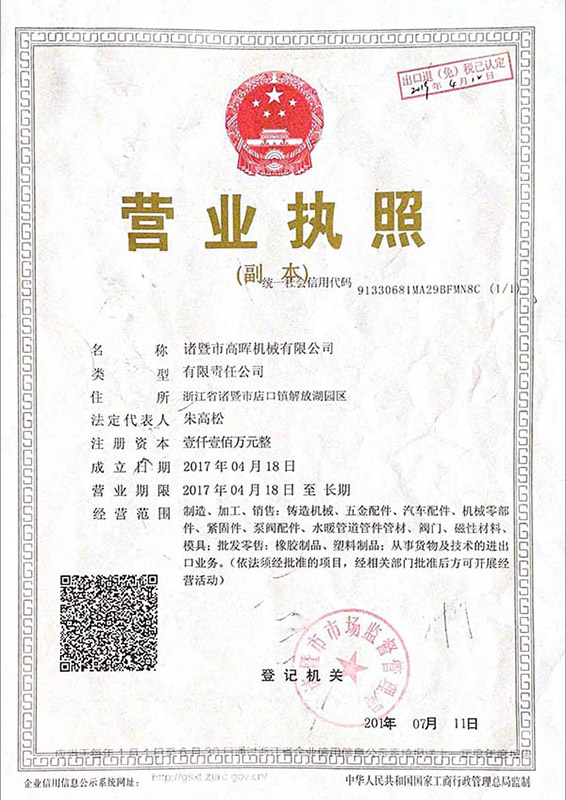
    Business license
  • honor
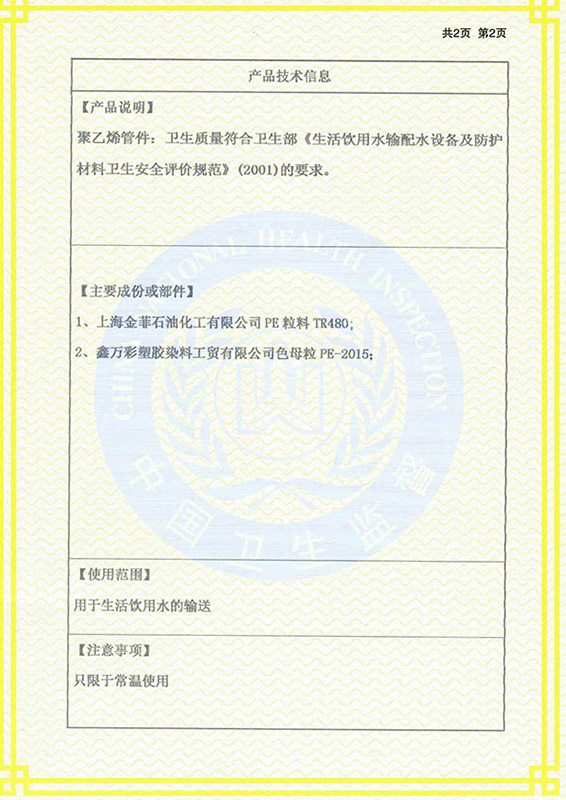
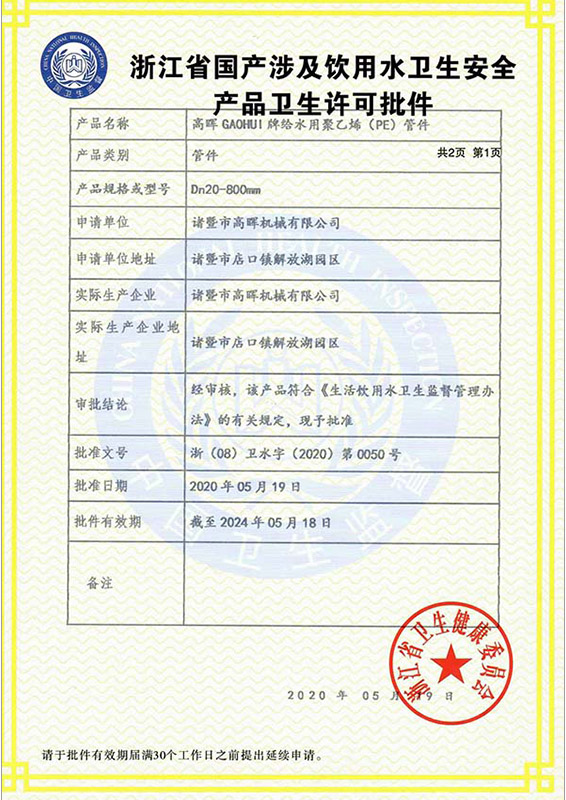
    Health permit
  • honor
    Health permit

News

Contact us now

PP Compression Fitting

What are the basic structure and working principle of PP Compression Fittings?

Basic Structure:

PP compression fittings have a simple yet powerful design, ensuring stable and reliable pipe connections, especially in low-pressure or medium-pressure piping systems.

  • Body: The body is the main frame of the fitting, usually made of polypropylene (PP). Polypropylene is a corrosion-resistant, chemically resistant, and high-strength material that can withstand the erosion of various common chemicals and external pressure. The design of the PP fitting body must not only ensure strength but also ensure a tight fit with the pipe interface to prevent any leakage. 
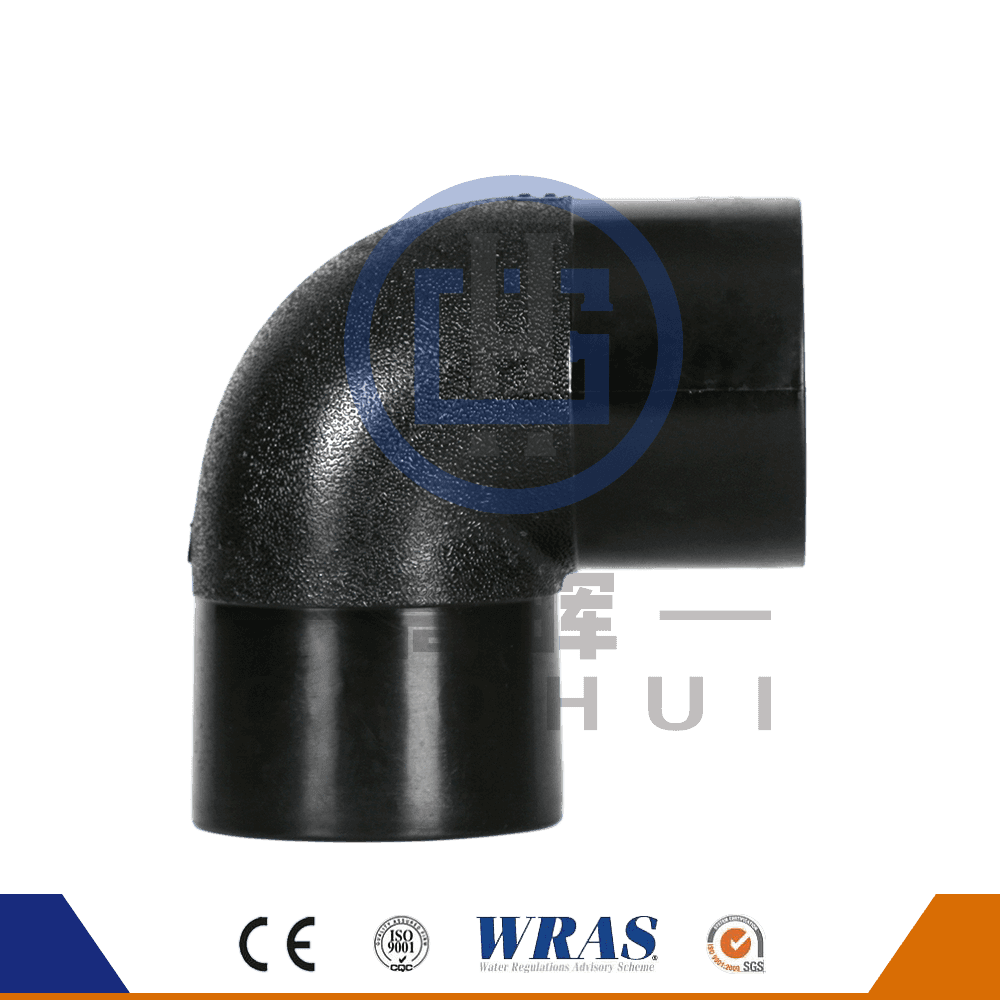
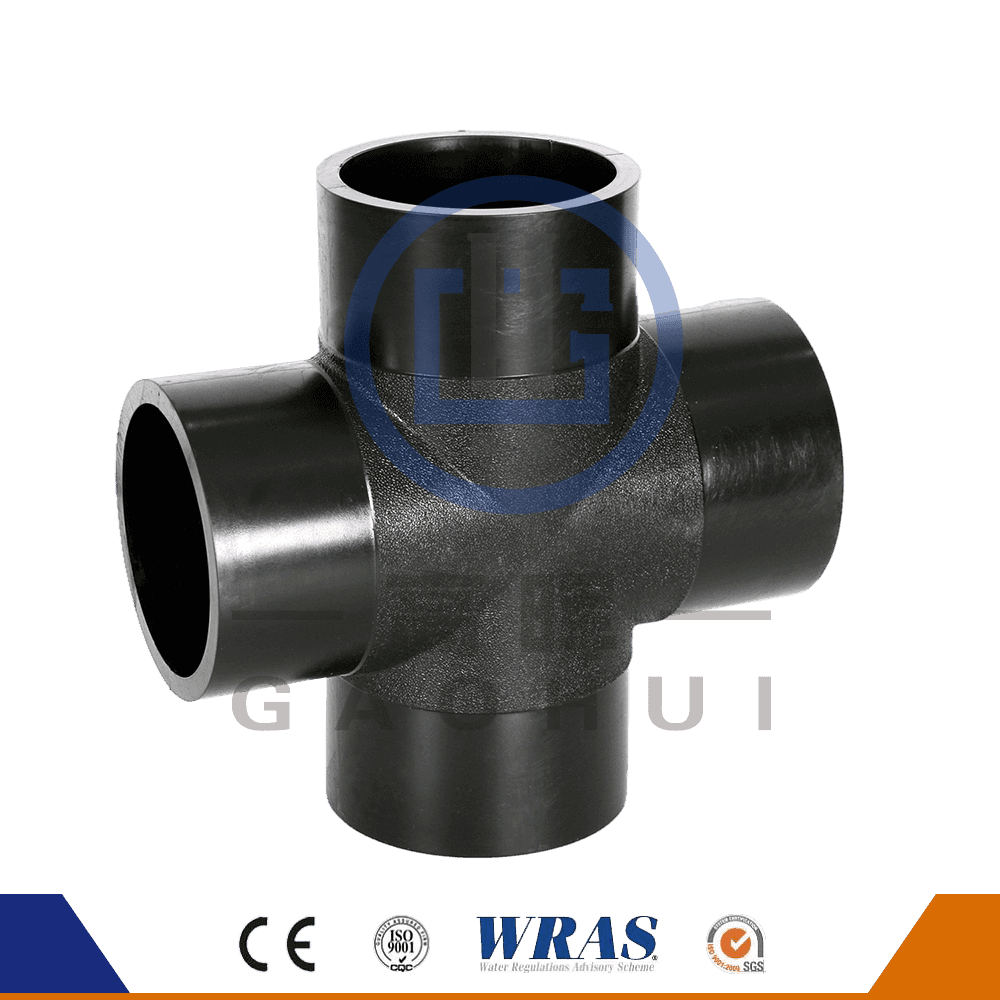
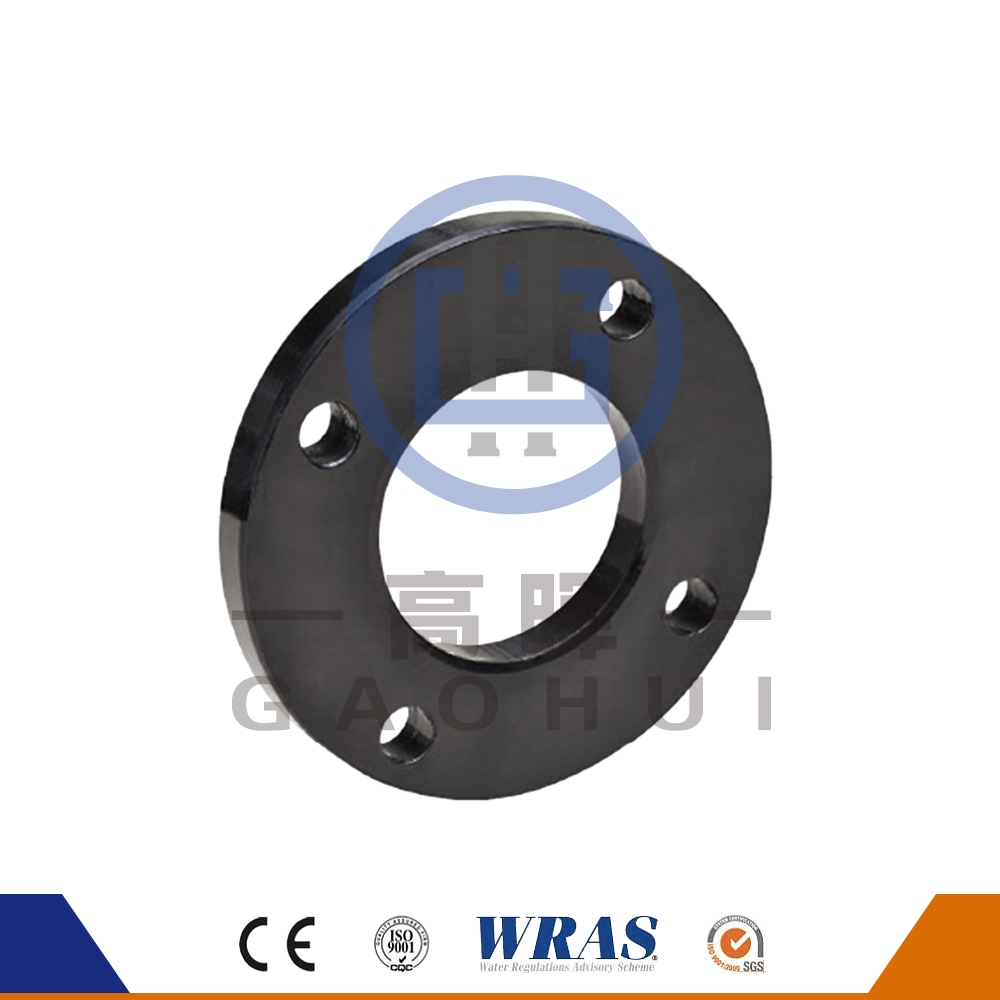
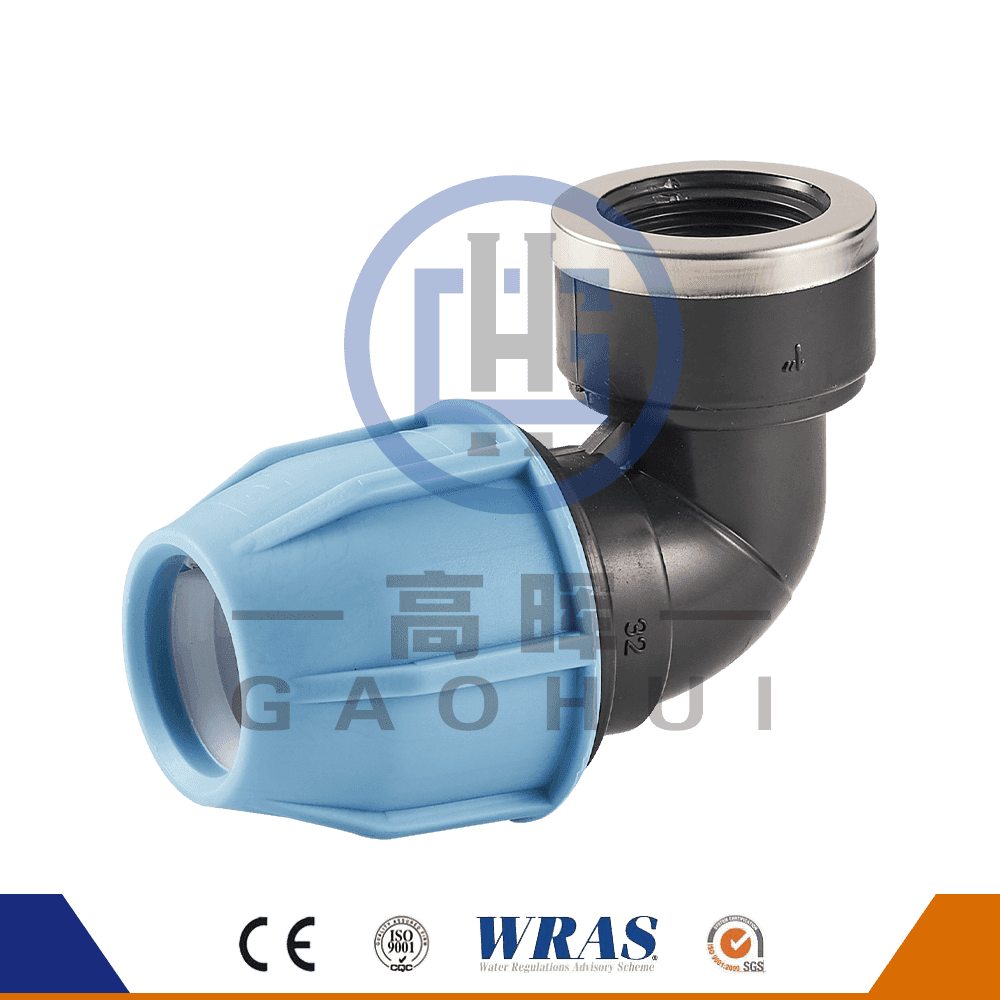
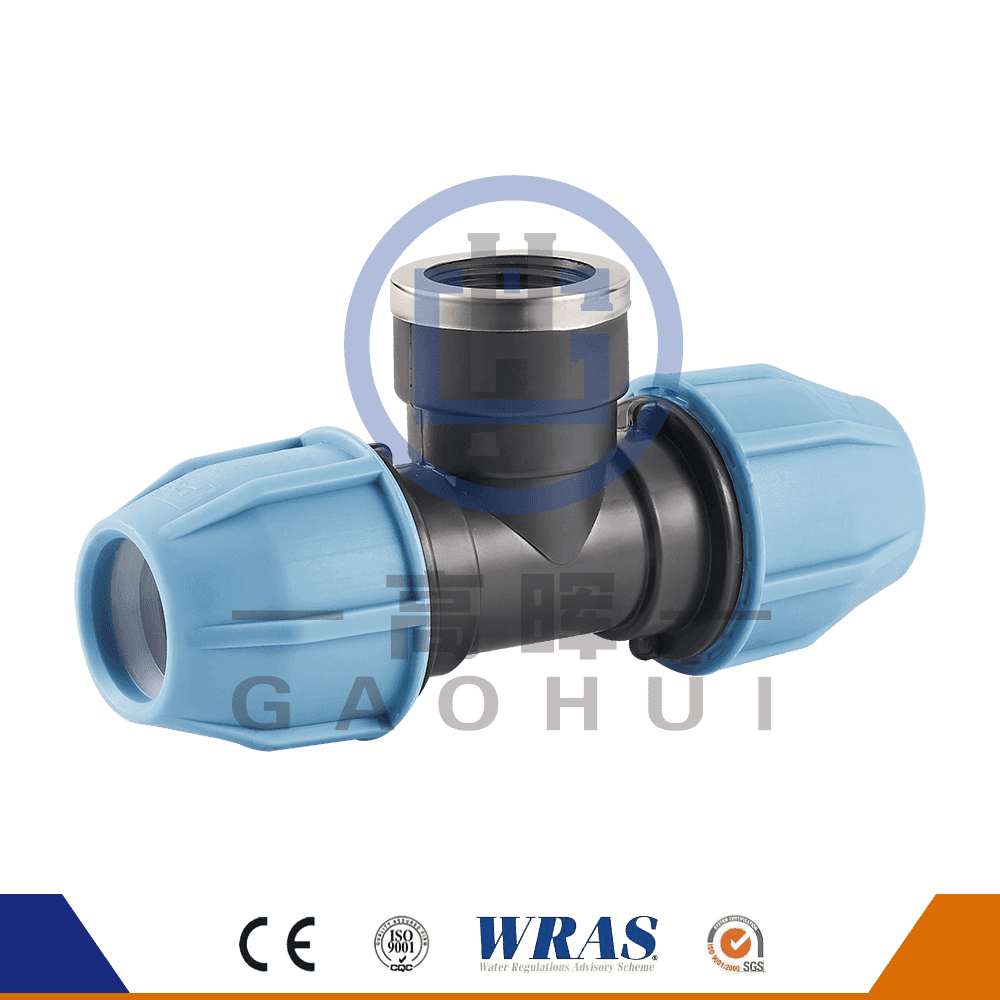
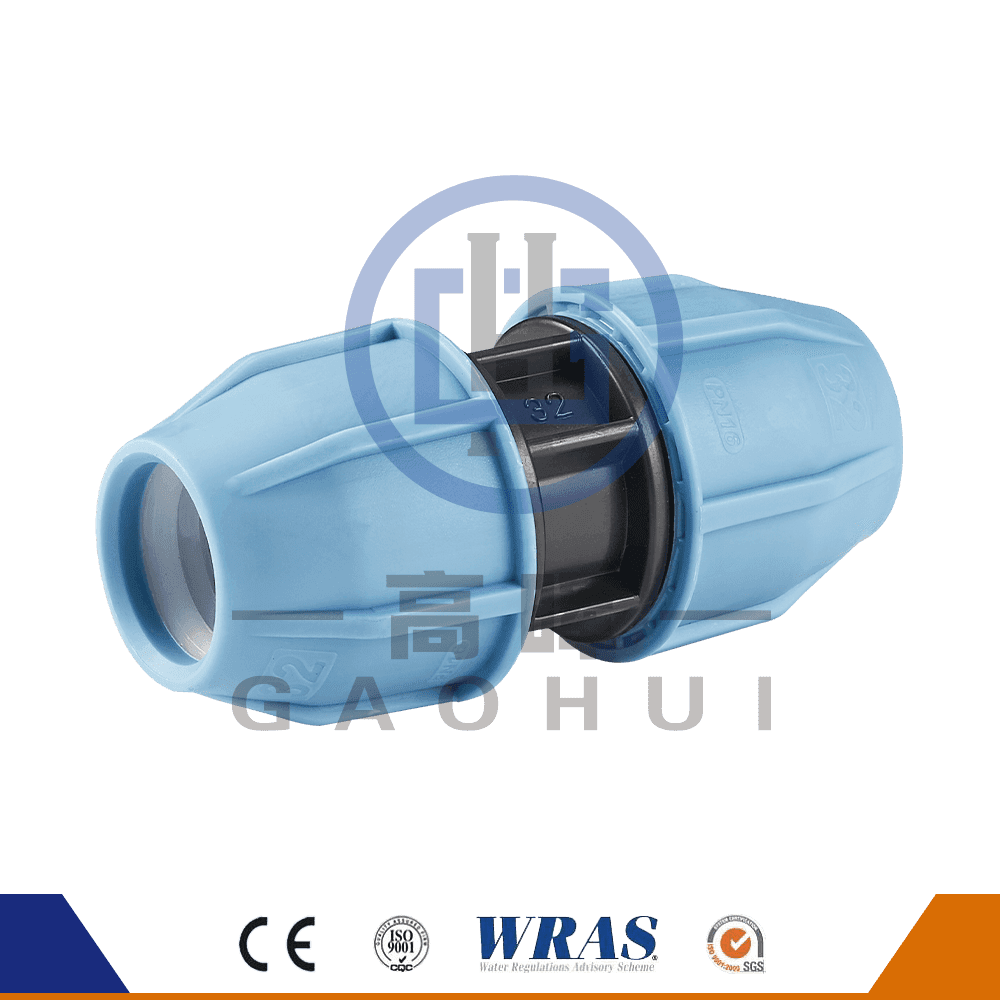
  • Body Types: The body design of PP compression fittings can be selected from different types as needed, such as straight connectors, elbows, tees, flange connections, etc. Each type of fitting is suitable for different pipe layouts and application scenarios.
  • Compression Ring: The compression ring is usually made of polypropylene, plastic, or metal (such as stainless steel). It is designed with an inwardly concave shape to tightly clamp the pipe when the compression nut is tightened. The shape and material of the compression ring are crucial for the connection strength and sealing performance of the pipe. 
  • Material Selection: The material of the compression ring is usually made of high-wear-resistant polypropylene or metal. Polypropylene has high chemical resistance and mechanical strength, while metal compression rings are suitable for high-pressure or special industrial applications.
  • O-Ring / Seal:
    The O-ring or seal is usually made of soft rubber or polyurethane material to ensure the sealing between the pipe and the fitting. It is usually located at the interface between the pipe and the fitting, and the pressure compresses the O-ring to form a tight seal, preventing liquid or gas leakage. 
  • Sealing Performance: The performance of the O-ring directly affects the sealing effect of the fitting. The O-ring needs to have sufficient elasticity and pressure resistance to adapt to use in high-pressure environments.
  • Compression Nut: The compression nut is an important component of the compression fitting, responsible for connecting the fitting to the pipe. By rotating, it applies pressure to the compression ring towards the pipe, forcing the O-ring to press against the pipe surface, ensuring that the connection does not loosen or leak.
  • Nut Design: The nut is generally hexagonal in shape for easy tightening with tools. Some designs also include an indented gripping surface for convenient manual tightening.

Working Principle:

The working principle of PP compression fittings is based on the "compression" effect. By tightening the compression nut, the compression ring and sealing ring firmly secure the pipe within the fitting, ensuring a secure and leak-proof connection. The specific process is as follows:

  • Preparation before installation: Install the compression ring and sealing ring on the pipe end and the compression fitting. The pipe end needs to be flat and free of burrs so that the compression ring and sealing ring can make close contact and form an effective seal.
  • Tightening the nut: Screw the compression nut into the fitting. The rotation of the nut will gradually apply pressure to the pipe through the compression ring. As the pressure increases, the pipe is compressed, and the sealing ring is also compressed, ensuring a seamless connection between the pipe and the fitting, preventing liquid or gas leakage.
  • Sealing effect: The sealing ring is evenly compressed during the compression process, forming a sealing interface, ensuring the sealing effect between the pipe and the fitting. Even under long-term pressure changes or external forces, the compression fitting can maintain stable sealing performance.

What are the limitations of PP Compression Fittings regarding applicable pipe materials and connection methods?

Applicable Pipe Materials:

PP compression fittings are primarily used for connecting with polypropylene (PP) pipes, but they can also be used with some other types of pipe materials. The applicable pipe materials include:

  • Polypropylene pipes (PP pipes): Polypropylene pipes are the most common pipe material used with PP compression fittings. Due to the similar materials and consistent outer diameter and wall thickness standards, the connection between compression fittings and PP pipes is very strong and stable, especially suitable for low-to-medium pressure water supply systems.
  • Polyethylene pipes (PE pipes): Polyethylene pipes have similar mechanical and chemical resistance properties to PP pipes, so PP compression fittings can also be used with PE pipes in some cases. In this case, the outer diameter of the fitting and the pipe must match, and the pipe surface should be clean and smooth to ensure an effective seal.
  • Polyvinyl chloride pipes (PVC pipes): Although PP fittings and PVC pipes are made of different materials, in some specific applications, PP compression fittings can still be used to connect PVC pipes, especially under low-pressure conditions. However, due to the different thermal expansion coefficients of these two materials, long-term use of PVC pipes may cause stress on the connection, leading to seal failure. Therefore, this combination is generally not recommended for high-pressure or high-temperature environments.
  • Not suitable for metal pipes: PP compression fittings are not suitable for metal pipes (such as steel pipes, stainless steel pipes, etc.). Metal pipes have a harder outer diameter and often have problems such as corrosion and oxidation, making it difficult to form an ideal compression connection. Metal pipes usually require welding, flange, or threaded connections.

Limitations of Connection Methods:

  • Applicable pressure range: PP compression fittings are suitable for low-to-medium pressure piping systems. Their connection strength is suitable for most everyday piping applications, such as water pipes, agricultural irrigation, and drainage systems, and the pressure they can withstand is usually between 0.6-1.0 MPa. If a high-pressure system needs to be connected, other more robust connection methods, such as welding or flange connections, may be required. .
  • Applicable Temperature Range: Although polypropylene (PP) material has good thermal stability, it may soften or deform at high temperatures (e.g., above 90°C). Therefore, PP compression fittings are not suitable for piping systems carrying high-temperature fluids. The applicable working temperature range is generally -20°C to 90°C.
  • Preventing Thermal Shock: For piping systems exposed to extreme temperature changes over extended periods, compression connections may not be durable enough and may pose a risk of leakage or breakage. Therefore, more stable connection methods may need to be considered in these environments.


Installation Best Practices for PP Compression Fittings

Zhuji Gaohui Machinery Co., Ltd. is a professional supplier of plastic pipes and fittings, offering a wide range of products including HDPE pipe fittings, electrofusion fittings, butt fusion fittings, and threaded fittings, while also providing professional pipeline application solutions to customers. While supplying PP compression fittings, Zhuji Gaohui Machinery Co., Ltd. also focuses on customer needs and long-term after-sales service to ensure the smooth installation and safe operation of pipeline systems.

Installation Requirements:

1. Selecting the Right Pipes and Fittings: When installing PP compression fittings, Zhuji Gaohui Machinery Co., Ltd. always emphasizes the importance of selecting fittings that match the outer diameter of the pipe. The PP compression fittings provided by Zhuji Gaohui Machinery Co., Ltd. are precisely designed to work with various PP pipes. To ensure a good connection, it is recommended to strictly follow the pipe specifications and pressure requirements when selecting the appropriate fittings. 

Professional Support from Zhuji Gaohui Machinery Co., Ltd.:

  • Pipe Size Selection: As an experienced supplier, Zhuji Gaohui Machinery Co., Ltd. provides customers with fittings ranging from small diameters to large fittings up to 1200mm, meeting the needs of various projects. 
  • Customization Services: In addition to standard specifications, Zhuji Gaohui Machinery Co., Ltd. also welcomes OEM and ODM custom orders, providing personalized pipeline solutions based on specific customer needs to ensure a perfect fit for the pipeline system.

2. Pipe End Preparation: Before installation, it is essential to ensure that the pipe ends are cut cleanly and free of burrs. The fittings produced by Zhuji Gaohui Machinery Co., Ltd. utilize precise manufacturing processes to ensure that the pipe interfaces are smooth and suitable for a tight fit. Any uneven cuts or rough pipe surfaces may affect the installation of the compression fittings and lead to leaks. Quality Control at Zhuji Gaohui Machinery Co., Ltd.:

  • Strict Quality Inspection: Zhuji Gaohui Machinery Co., Ltd. employs strict quality control measures during the pipe fitting production process to ensure that every product meets international standards. The company has over 50 sets of production equipment, ensuring production accuracy and timely delivery.

3. Cleaning the Pipes: Before installation, Zhuji Gaohui Machinery Co., Ltd. recommends ensuring that the pipe ends and surrounding areas are free of oil, dust, or impurities. These substances may affect the compression effect of the sealing ring, leading to loose connections or leaks. Zhuji Gaohui Machinery Co., Ltd. specifically recommends using high-standard cleaning methods to ensure a perfect fit for every part.

Installation Sequence:

The PP compression fittings provided by Zhuji Gaohui Machinery Co., Ltd. require a strict set of steps during installation to ensure reliable connection and sealing:

  • Install the Compression Nut: Install the compression nut on the pipe end first, and confirm its screwing direction. Zhuji Gaohui Machinery Co., Ltd.'s compression nuts are designed for quick and secure installation.
  • Insert the Compression Ring and Sealing Ring: Ensure the sealing ring is correctly placed in the inner ring of the fitting, and smoothly install the compression ring on the pipe end.
  • Insert the Pipe and Tighten the Nut: Insert the pipe into the compression fitting and gradually tighten the compression nut, ensuring a tight connection between the pipe and the fitting. Zhuji Gaohui Machinery Co., Ltd.'s design ensures a smooth tightening process without applying excessive pressure to the fitting, preventing damage from overtightening.

Precautions:

1. Avoid Overtightening the Nut: During installation, Zhuji Gaohui Machinery Co., Ltd. specifically reminds customers to avoid using excessive force to tighten the compression nut. Overtightening will not enhance the connection effect; instead, it may damage the sealing ring and cause pipe leakage. It is recommended to use appropriate tools to avoid overtightening and ensure sealing performance.

2. Test the Connection: After installation, a water pressure test is recommended. Zhuji Gaohui Machinery Co., Ltd.'s pipe fittings are rigorously tested to provide stable performance in a variety of piping environments. However, a hydrostatic pressure test is still required to confirm the absence of any leaks. Zhuji Gaohui Machinery Co., Ltd. strictly adheres to quality standards during the manufacturing process, and all products undergo rigorous quality inspections before leaving the factory to ensure secure connections.

3. Avoid Pressure Surges: During installation and use, Zhuji Gaohui Machinery Co., Ltd. emphasizes avoiding pressure fluctuations or pressure surges in the piping system, which can damage connection points and lead to leaks or other malfunctions. Zhuji Gaohui Machinery Co., Ltd. recommends using pressure regulating devices to ensure the stability of the piping system during long-term use.

4. Environmental Conditions:

  • For installations outdoors or exposed to ultraviolet light, Zhuji Gaohui Machinery Co., Ltd. recommends using pipe fittings with UV protection or adding a protective layer to the pipe surface to extend the service life of the fittings. Especially in agricultural irrigation systems or open-air water supply systems, Zhuji Gaohui Machinery Co., Ltd.'s pipe fittings are designed to effectively handle these environmental challenges.
  • High and Low Temperature Environments: Zhuji Gaohui Machinery Co., Ltd.'s products perform excellently at normal temperatures, but if the system operates in high-temperature (above 90°C) or extremely low-temperature environments, Zhuji Gaohui Machinery Co., Ltd. advises customers to select the appropriate type of pipe fittings based on the specific conditions and take additional protective measures.

5. Long-Term Maintenance and Inspection: Although PP compression fittings have low maintenance costs, Zhuji Gaohui Machinery Co., Ltd. recommends regular inspections of the piping system. Regularly checking the tightness, sealing, and pressure resistance of the pipes can effectively prevent problems such as pipe leaks and improve the overall efficiency of the system.

Zhuji Gaohui Machinery Co., Ltd.'s After-Sales Service and Support: Zhuji Gaohui Machinery Co., Ltd. not only provides high-quality products but also offers customers professional piping application solutions. Whether for OEM or ODM requirements, Zhuji Gaohui Machinery Co., Ltd.'s technical team can provide customized services according to customers' specific needs, ensuring superior performance of piping systems in various applications. Furthermore, Zhuji Gaohui Machinery Co., Ltd. is committed to providing customers with timely after-sales service, addressing any issues encountered during installation or maintenance.

  • Global Market Support: Zhuji Gaohui Machinery Co., Ltd.'s products are not only highly praised by customers in the domestic market but are also sold in the Netherlands, Vietnam, the Philippines, Indonesia, Malaysia, and other countries, earning the trust of international customers.
  • Engineering and Technical Support: Zhuji Gaohui Machinery Co., Ltd.'s experienced team provides piping system design and technical support to global customers, ensuring that customers can select and install fittings suitable for their project needs.