
 English
 русский
 عربى
عربىContent
- 1 Growing Shift Toward HDPE Pipeline Systems
- 2 What Are HDPE Transition Fittings?
- 3 Why Water and Gas Projects Depend on HDPE Transition Fittings
- 4 Increasing Global Demand for HDPE Transition Fittings
- 5 Innovation and Manufacturing Improvements
- 6 Sustainability and Long-Term Value
- 7 Looking Ahead: The Future of Pipeline Connections
As global infrastructure continues to modernize, water supply networks and gas distribution systems are facing higher standards than ever before. Cities demand safer pipelines, contractors expect faster installations, and operators look for long-term reliability with minimal maintenance costs.
In this evolving landscape, one product category is rapidly gaining attention across municipal, industrial, and energy sectors: HDPE Transition Fittings.
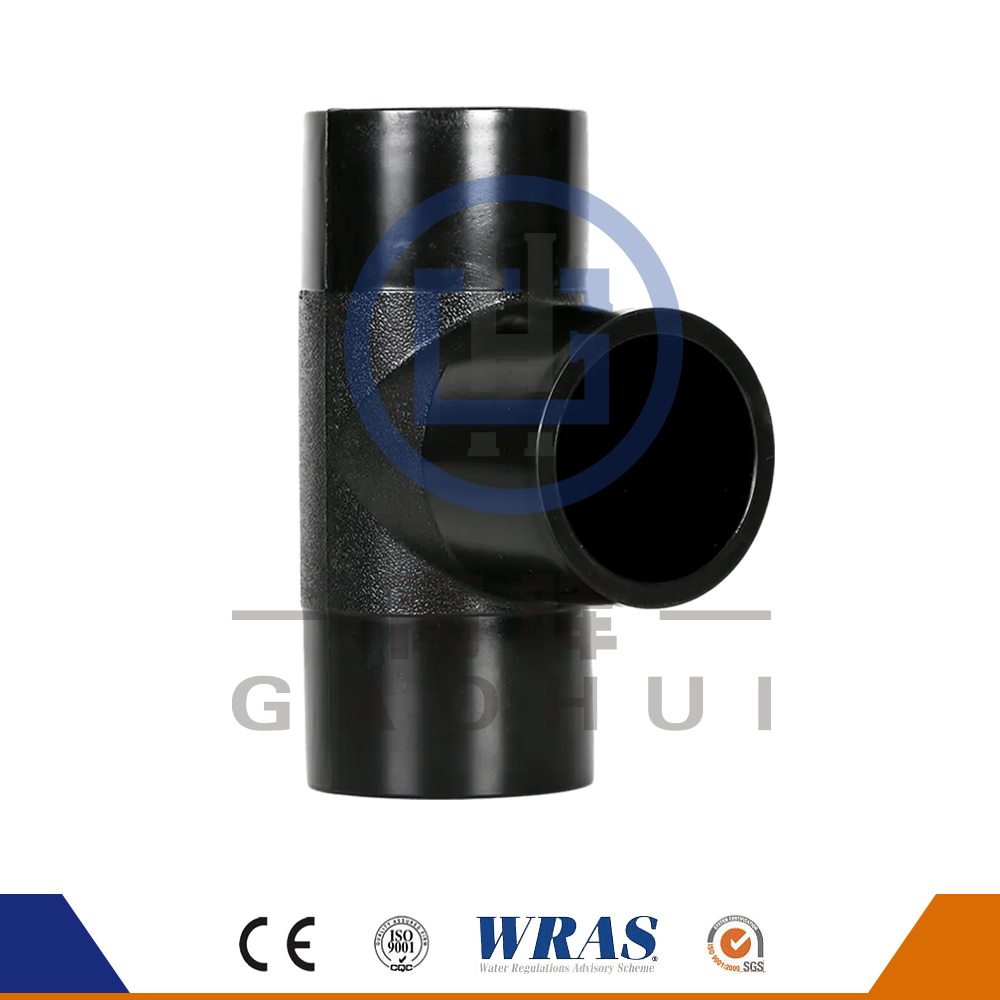
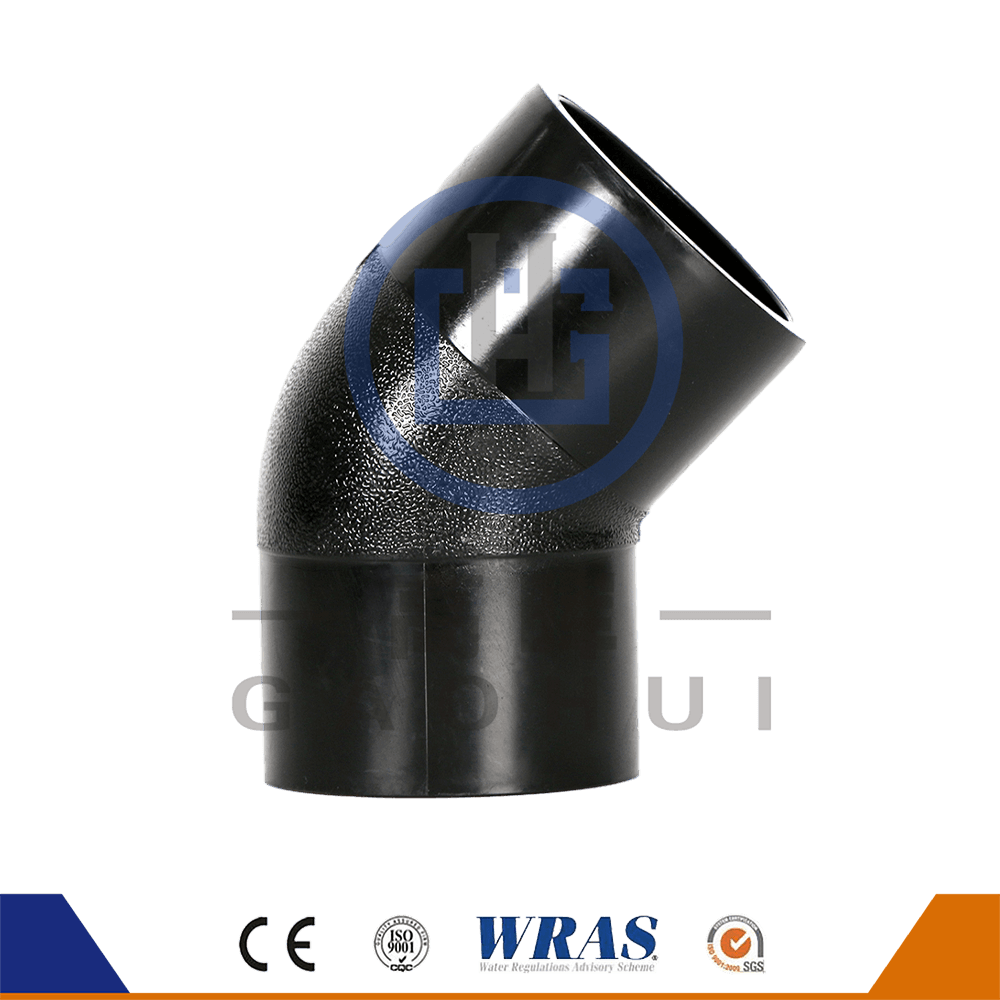
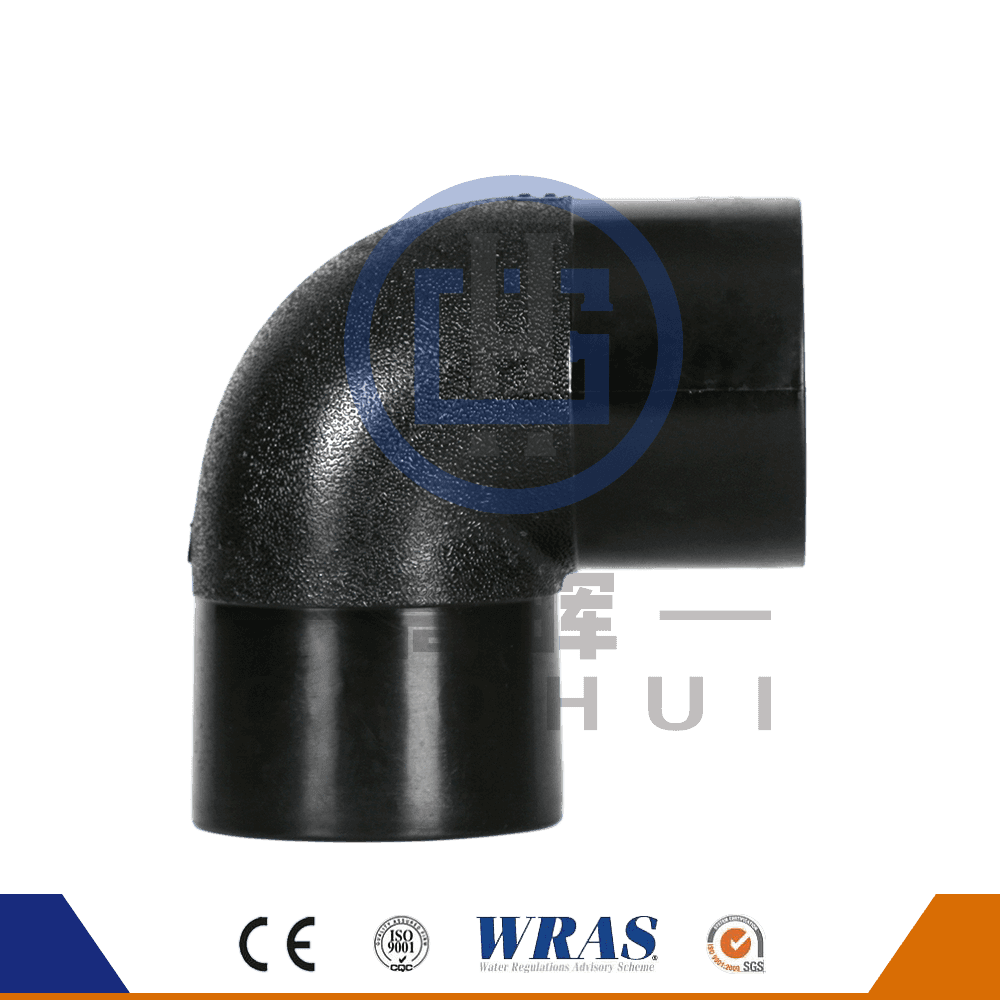
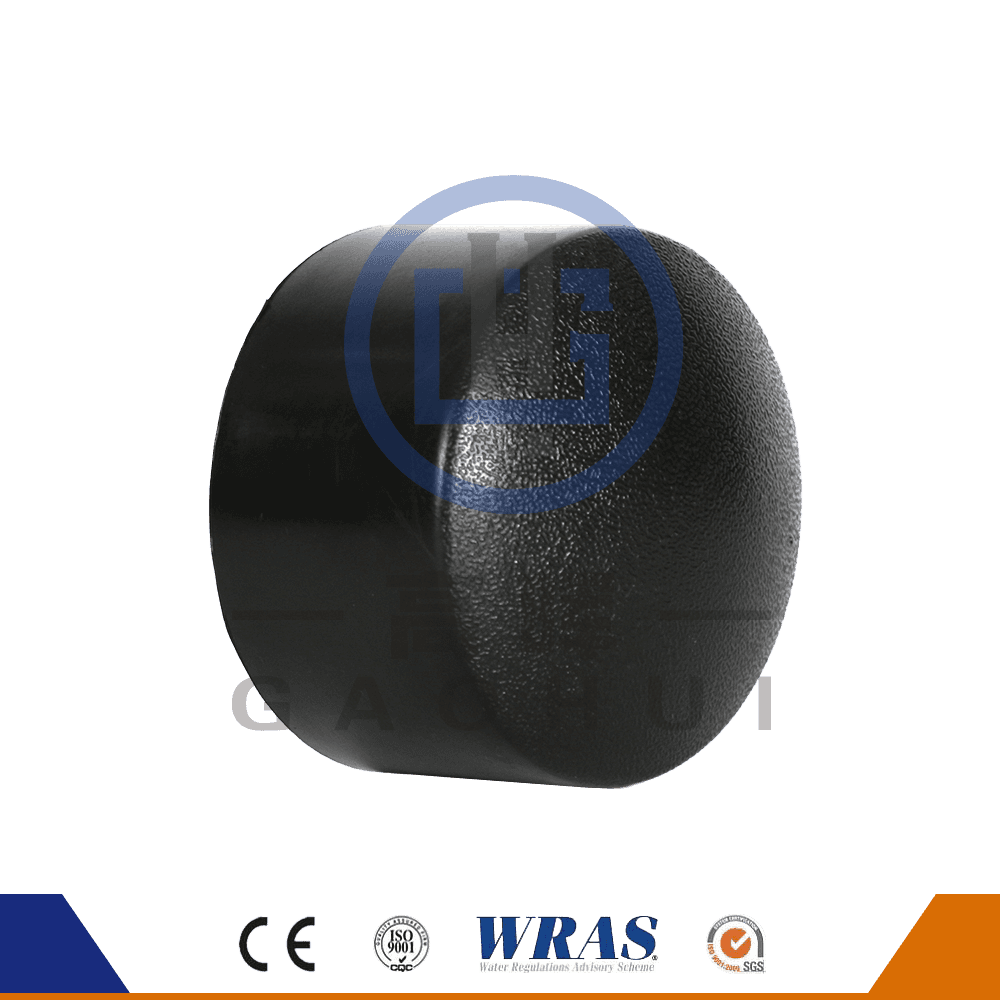
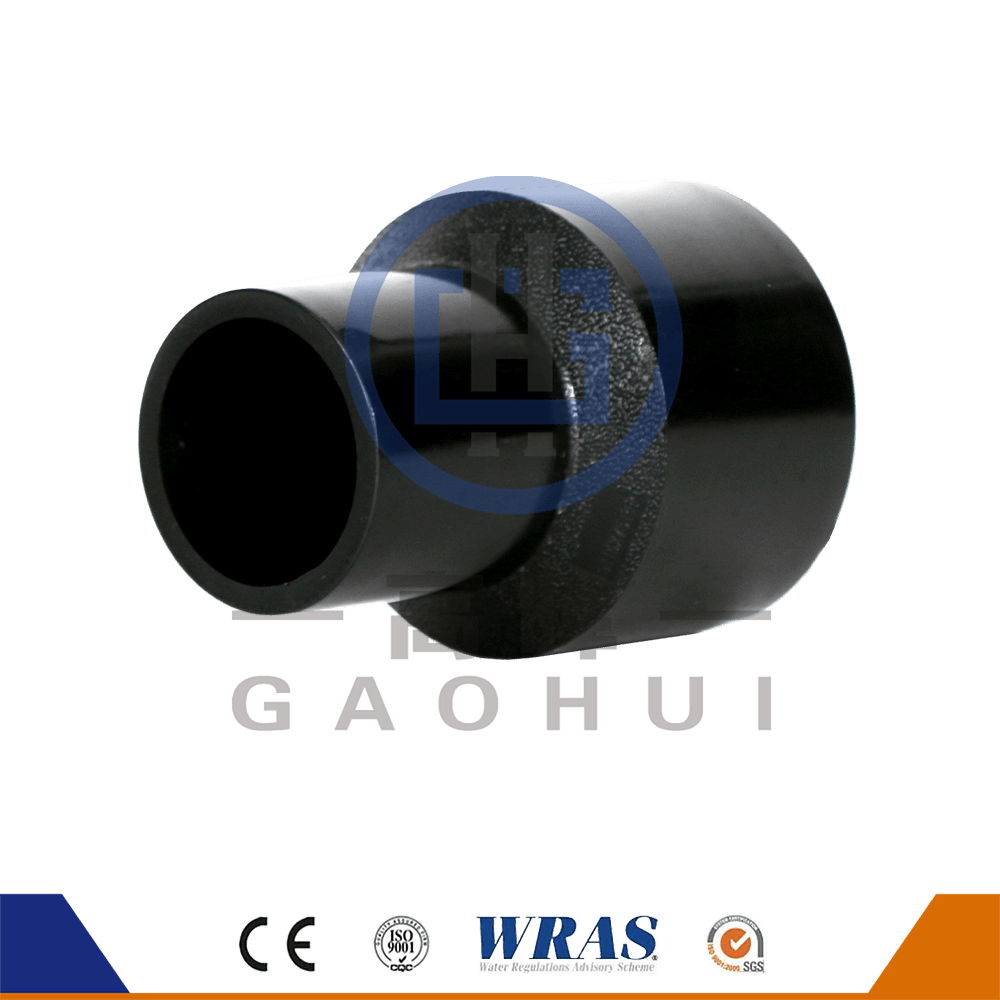
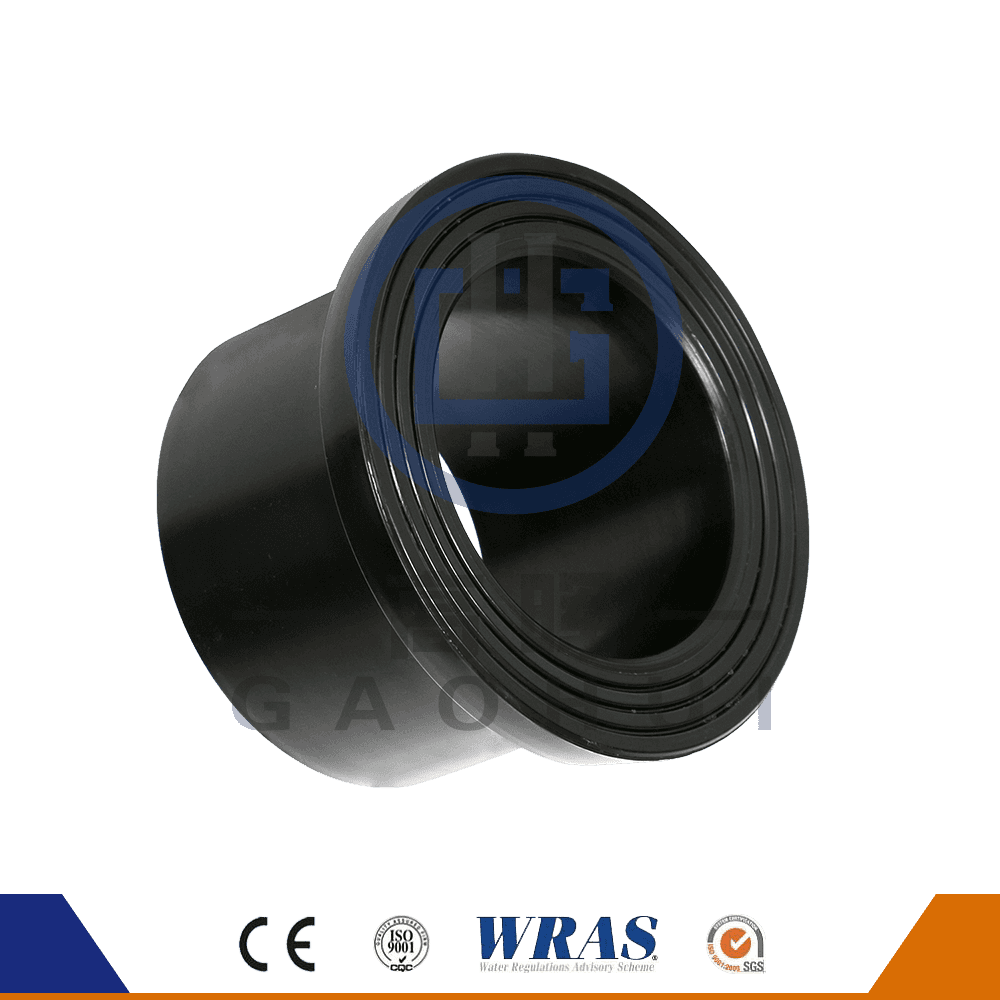
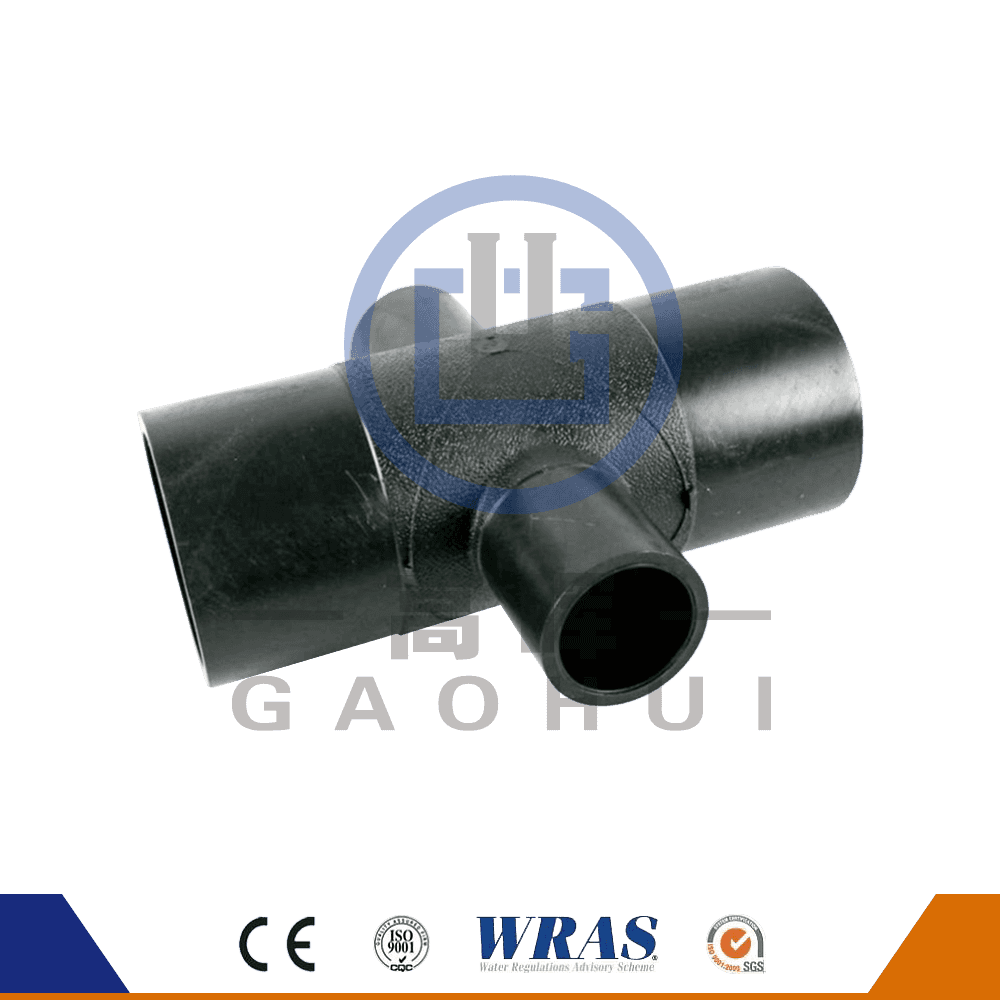
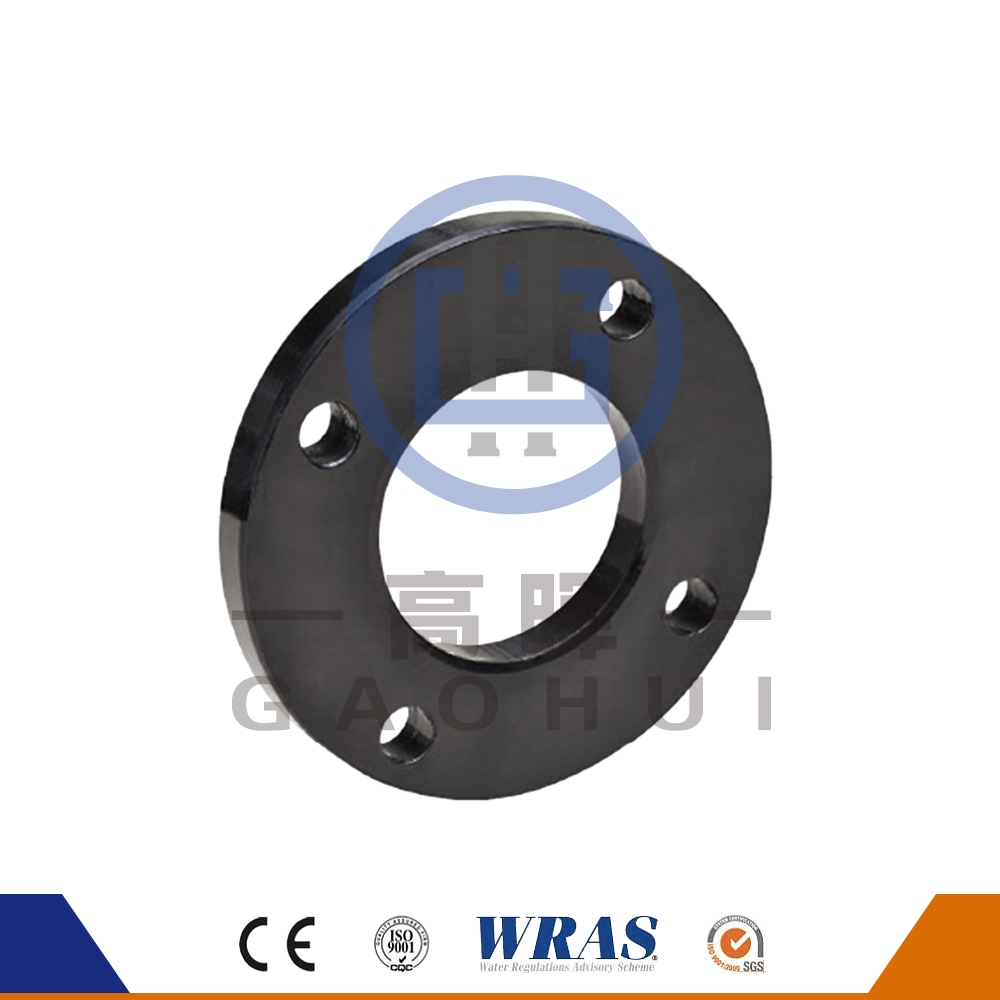
Once considered a small component in pipeline systems, HDPE Transition Fittings are now becoming essential for connecting different pipe materials safely and efficiently. From water treatment plants to natural gas transmission lines, these fittings play a critical role in ensuring leak-free, corrosion-resistant, and durable connections.
As a professional manufacturer and supplier of HDPE Transition Fittings, we have seen a clear increase in demand from engineers, contractors, and distributors worldwide. More projects are specifying transition fittings as standard components rather than optional accessories.
Growing Shift Toward HDPE Pipeline Systems
Over the past two decades, HDPE (High-Density Polyethylene) pipes have steadily replaced traditional materials such as steel, ductile iron, and PVC in many water and gas systems.
The reasons are simple:
- Excellent corrosion resistance
- Long service life (50+ years)
- Flexibility and impact strength
- Lightweight and easy installation
- Lower lifecycle costs
- Leak-free fusion joints
HDPE pipelines offer superior performance in harsh underground environments where metal pipes often suffer from rust, scaling, or chemical damage.
However, despite these advantages, complete HDPE systems are not always possible. Many existing networks still include steel valves, pumps, meters, or legacy metal pipelines. This creates a common challenge:
How do you safely connect HDPE pipe to metal components?
This is exactly where HDPE Transition Fittings become essential.
What Are HDPE Transition Fittings?
HDPE Transition Fittings are specially engineered connectors designed to join HDPE pipes with pipes or equipment made from different materials such as:
- Carbon steel
- Stainless steel
- Brass
- Ductile iron
- Copper
They typically combine an HDPE stub or fusion end with a metallic threaded or flanged end.
This hybrid structure allows:
- Fusion welding to HDPE on one side
- Mechanical or threaded connection to metal systems on the other side
The result is a secure, reliable, and leak-proof transition between two completely different materials.
Without HDPE Transition Fittings, joining plastic and metal pipes would be difficult, risky, and prone to failure.
Why Water and Gas Projects Depend on HDPE Transition Fittings
Safe and Leak-Free Connections
In water and gas distribution, leaks are unacceptable.
Water leaks waste valuable resources and increase operating costs. Gas leaks can be extremely dangerous, leading to fire hazards and safety risks.
HDPE Transition Fittings are engineered to provide tight, permanent seals. The HDPE side is typically joined by butt fusion or electrofusion, creating a monolithic, leak-free connection that is even stronger than the pipe itself.
This significantly reduces the risk of:
- Joint separation
- Seepage
- Pressure loss
- Environmental contamination
For critical infrastructure, reliability is everything.
Corrosion Resistance for Long-Term Performance
One of the biggest challenges in underground pipelines is corrosion.
Metal connectors exposed to soil moisture, chemicals, and stray electrical currents often degrade quickly. This leads to:
- Rust
- Structural weakening
- Costly repairs
- System downtime
Because HDPE Transition Fittings use polyethylene on the pipe side, they offer excellent resistance to corrosion and chemical attack.
Even in aggressive environments such as coastal regions, industrial zones, or mining sites, HDPE components maintain their integrity for decades.
This makes them ideal for long-term water and gas networks where durability matters most.
Easy Integration with Existing Infrastructure
Many municipal and industrial projects are not entirely new installations. Instead, they involve upgrading or extending existing systems.
Older networks often include:
- Steel valves
- Iron fittings
- Brass meters
- Metal pumps
Replacing everything with HDPE would be expensive and impractical.
HDPE Transition Fittings allow contractors to connect new HDPE pipelines directly to existing metal equipment without complicated modifications.
This flexibility:
- Reduces installation time
- Saves labor costs
- Simplifies retrofitting
- Minimizes system downtime
For project managers, this is a major advantage.
Faster Installation and Lower Labor Costs
Speed matters on construction sites.
Compared with traditional mechanical couplings or complex welding procedures, HDPE Transition Fittings simplify the installation process.
Fusion welding on the HDPE side is:
- Quick
- Consistent
- Highly reliable
Meanwhile, threaded or flanged metal ends allow easy mechanical assembly.
The result is fewer tools, fewer steps, and faster completion times.
Contractors appreciate this efficiency, especially for large-scale municipal or gas distribution projects where thousands of connections are required.
High Pressure and Temperature Performance
Water and gas systems often operate under high pressure conditions.
Poor connections can fail under stress, causing serious operational problems.
Modern HDPE Transition Fittings are designed and tested to handle:
- High internal pressure
- Temperature fluctuations
- Ground movement
- Vibration
As manufacturers, we conduct strict quality control and pressure testing to ensure each fitting meets international standards.
This guarantees stable performance even in demanding applications such as:
- Natural gas pipelines
- Industrial water supply
- Fire protection systems
- Mining operations
Increasing Global Demand for HDPE Transition Fittings
From our perspective as a supplier, the market growth is clear.
We are seeing strong demand from:
- Municipal water authorities
- Gas utility companies
- Engineering contractors
- EPC project managers
- Distributors and wholesalers
Infrastructure investments in Asia, the Middle East, Africa, and North America are further driving the adoption of HDPE Transition Fittings.
Additionally, stricter regulations around safety, leakage prevention, and environmental protection are encouraging engineers to choose higher-quality transition solutions.
As a result, many project specifications now explicitly require certified HDPE Transition Fittings instead of generic connectors.
Innovation and Manufacturing Improvements
To meet growing market expectations, manufacturers are continuously improving product design and production technology.
At our facilities, we focus on:
- Precision machining of metal components
- High-quality HDPE resin
- Advanced bonding techniques
- Strict pressure and leak testing
- International certifications
We also offer:
- Customized sizes
- Various pressure ratings
- Threaded or flanged options
- OEM and ODM services
These innovations ensure that our HDPE Transition Fittings deliver both performance and flexibility for different projects.
Sustainability and Long-Term Value
Sustainability is becoming increasingly important in infrastructure development.
Because HDPE Transition Fittings last longer and require less maintenance, they help reduce:
- Material waste
- Repair frequency
- Energy consumption
- Lifecycle costs
Their long service life supports more sustainable and environmentally friendly pipeline systems.
For governments and utilities focused on long-term planning, this is a key advantage.
Looking Ahead: The Future of Pipeline Connections
As water scarcity, urban expansion, and energy demand continue to grow, pipeline systems must become more reliable and efficient.
HDPE pipes are already leading this transformation. And alongside them, HDPE Transition Fittings are becoming an indispensable component.
They may seem small, but their role is critical.
Without strong transition points, even the best pipeline systems cannot perform safely.