
 English
 русский
 عربى
عربىContent
Underground piping installations are crucial for the smooth functioning of various infrastructures, such as water distribution systems, sewage networks, gas pipelines, and stormwater drainage. The materials used in these installations must meet specific demands, including durability, resistance to environmental conditions, and ease of installation. High-Density Polyethylene (HDPE) fittings have become a popular choice in underground piping due to their impressive performance characteristics and long lifespan.
Understanding HDPE Fittings
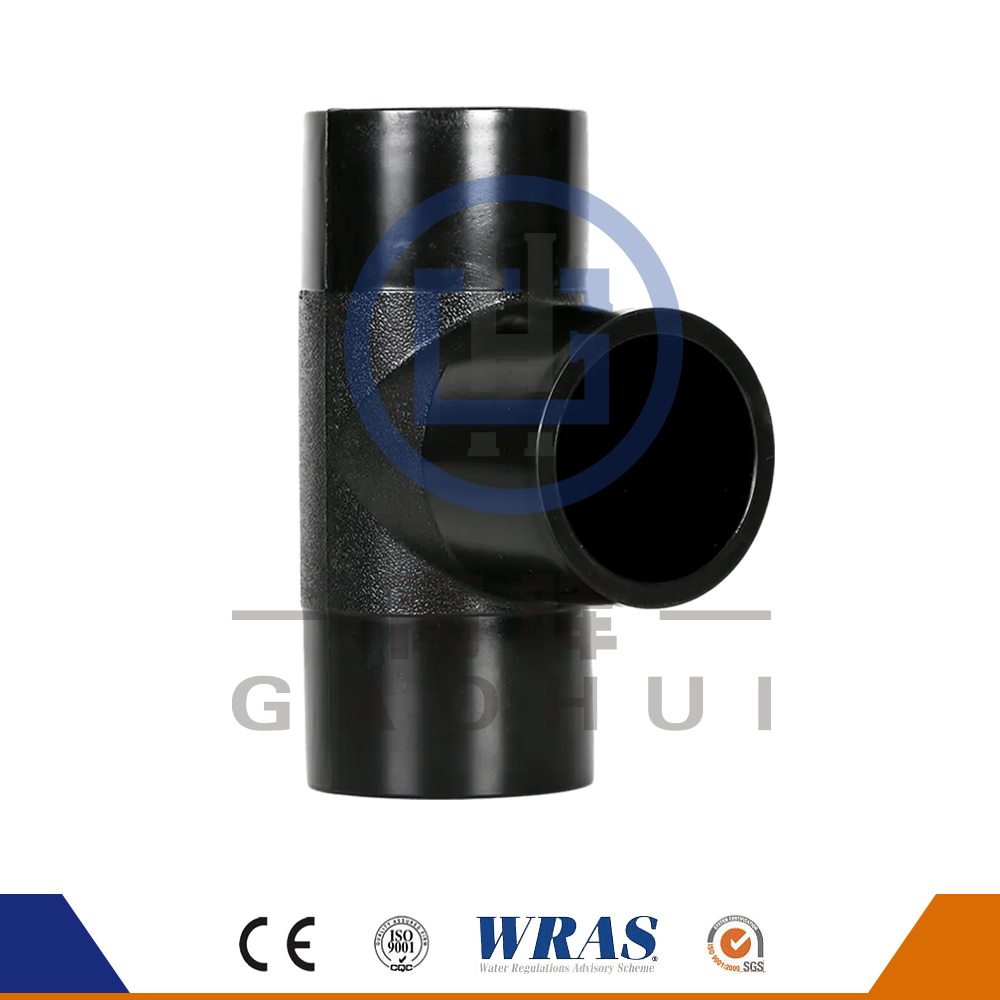
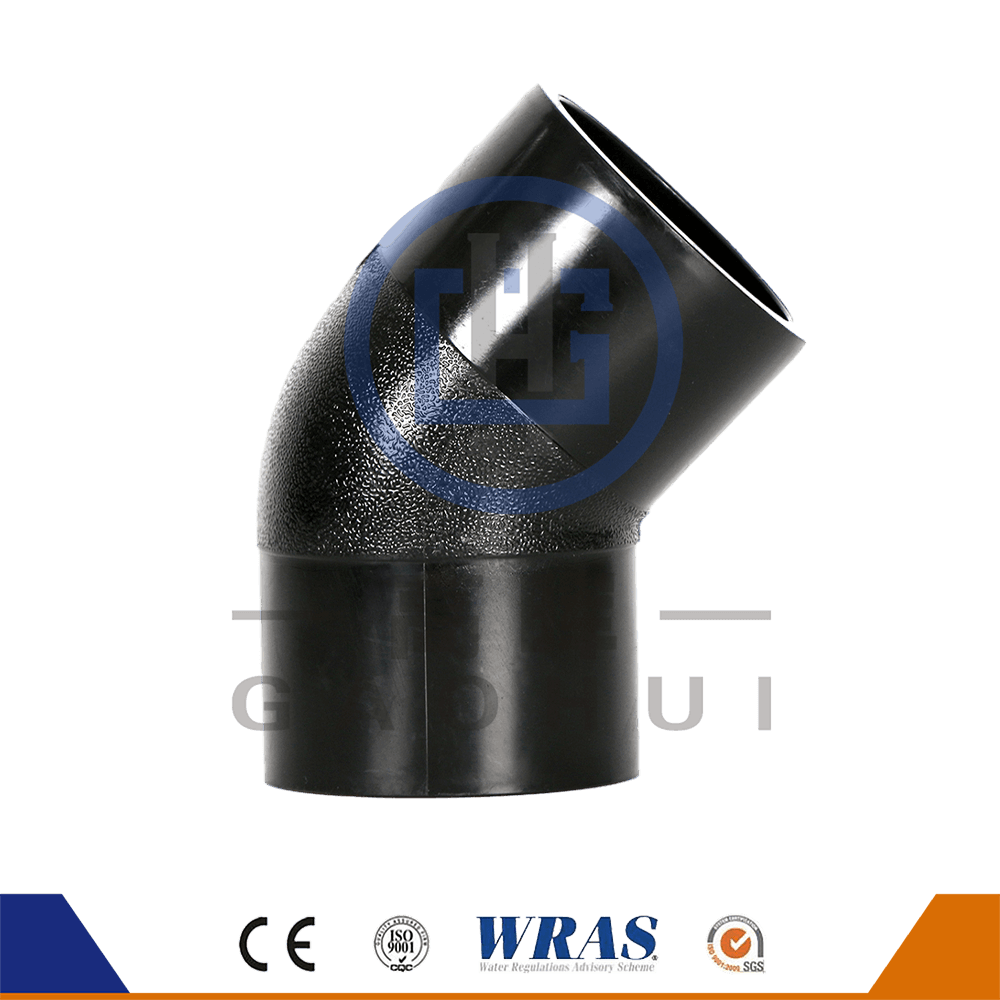
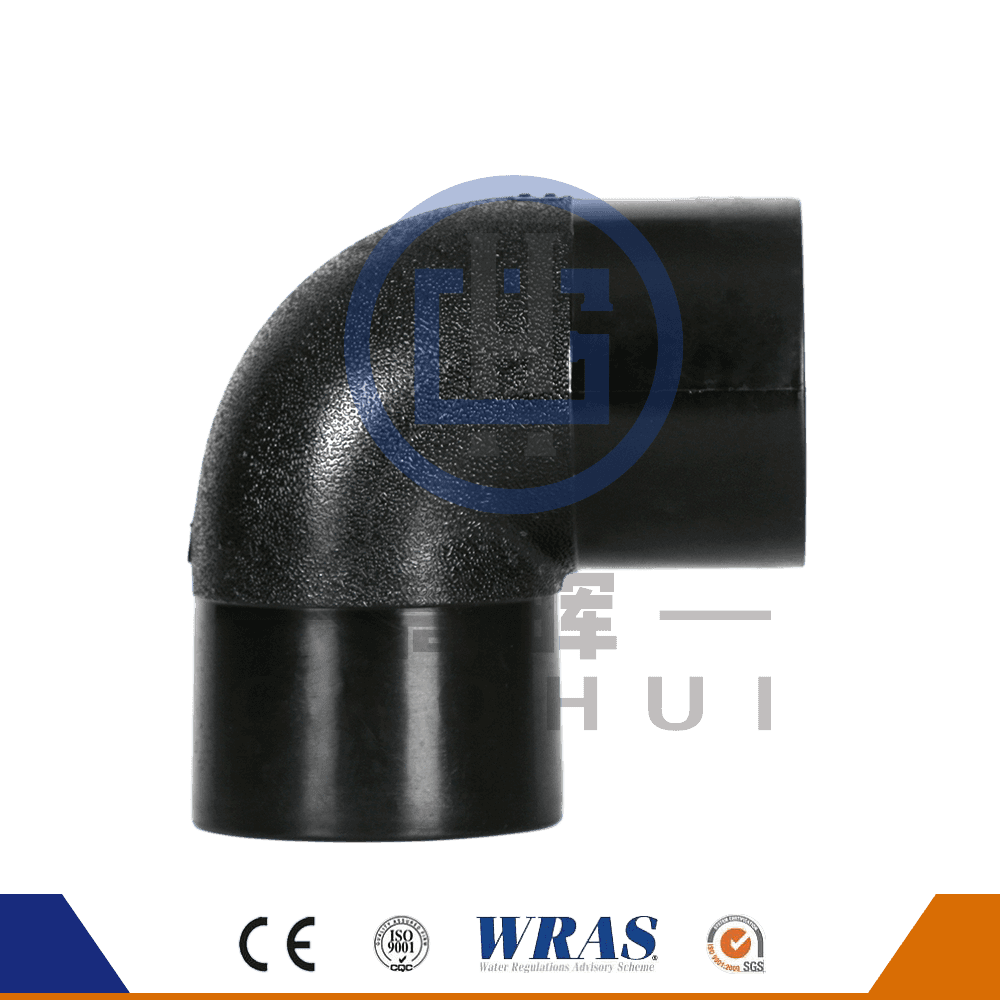
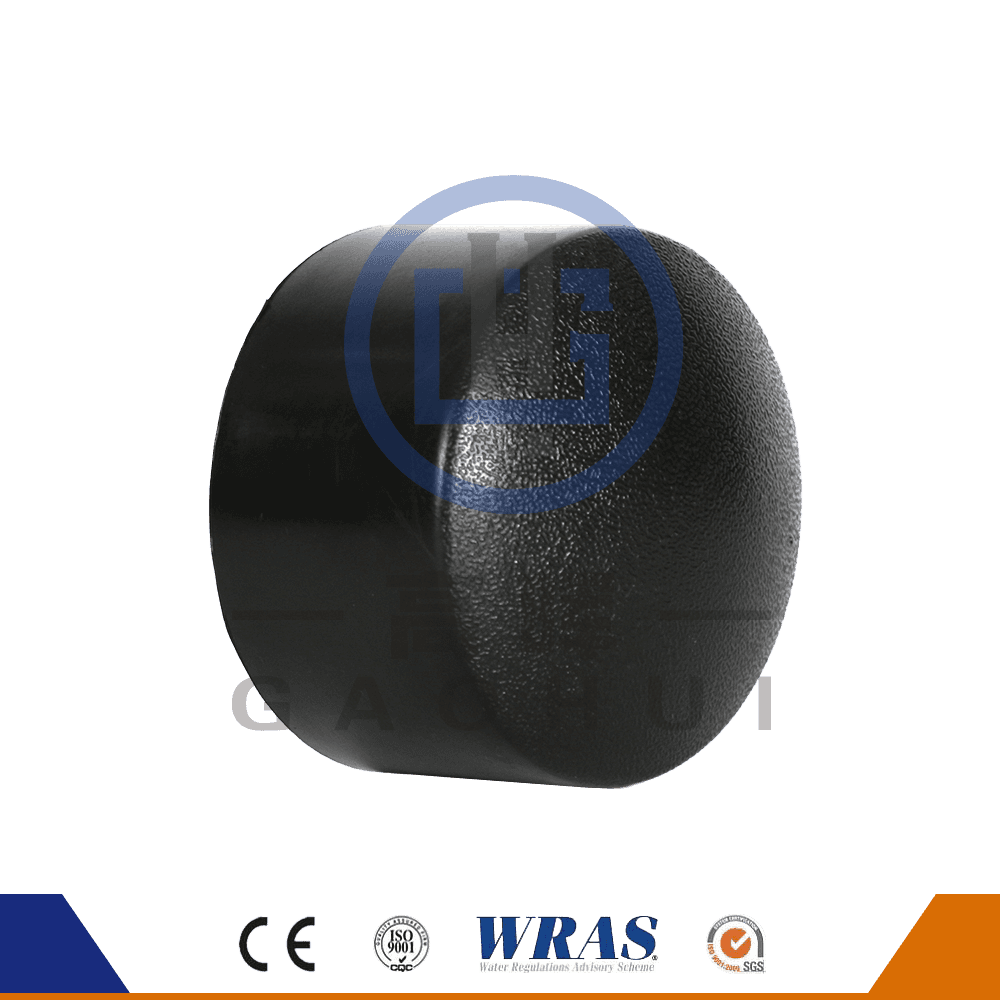
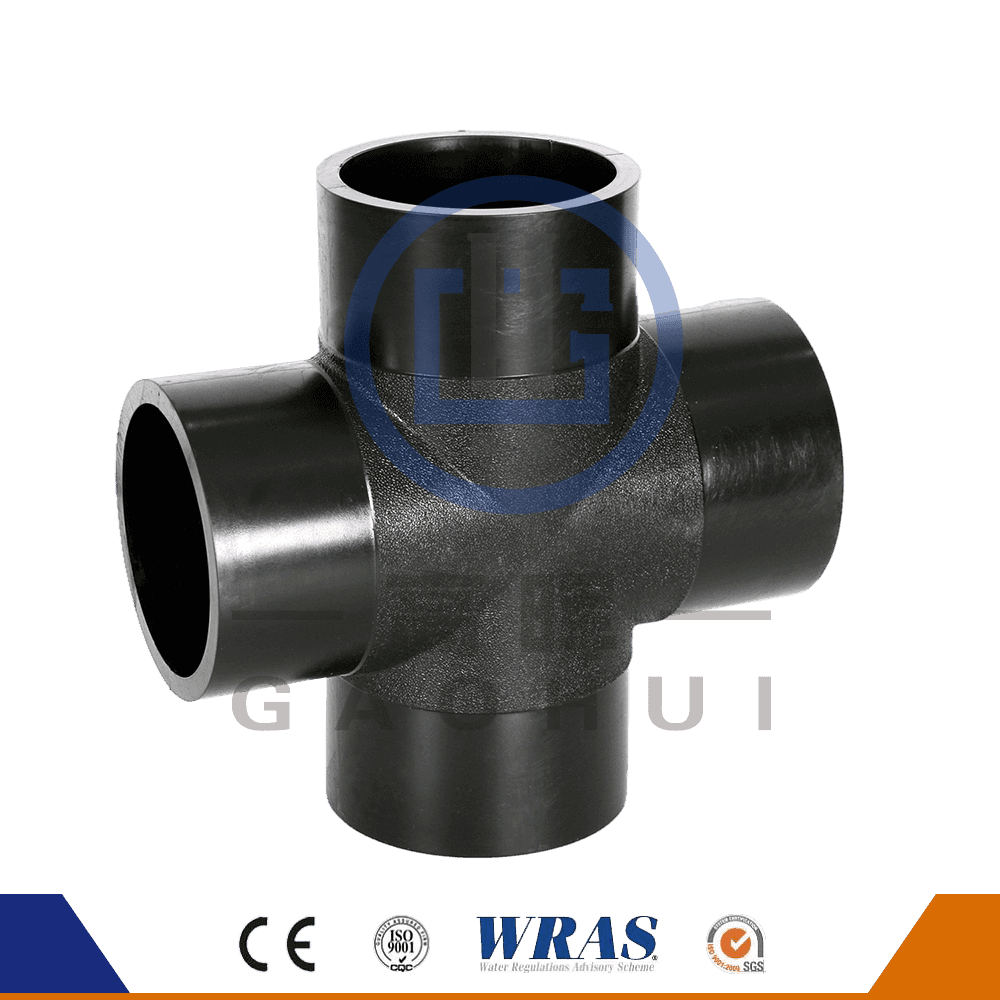
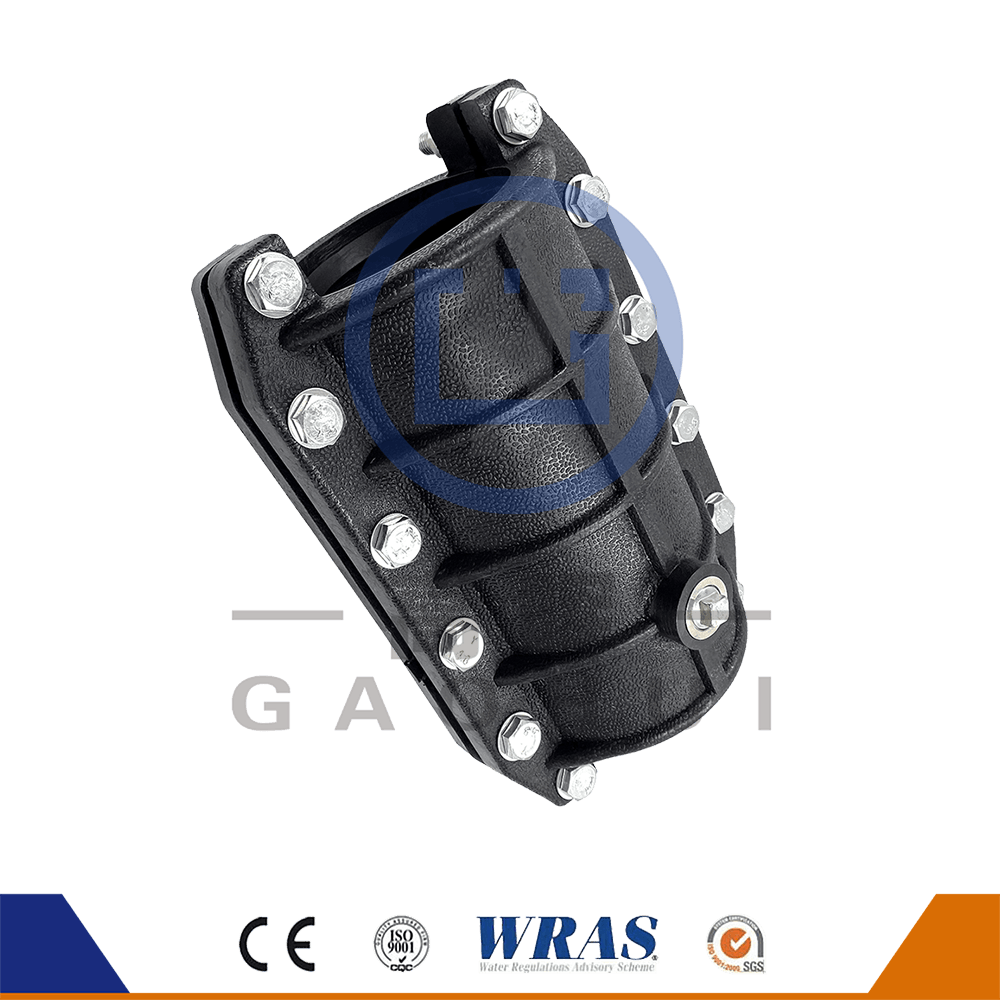
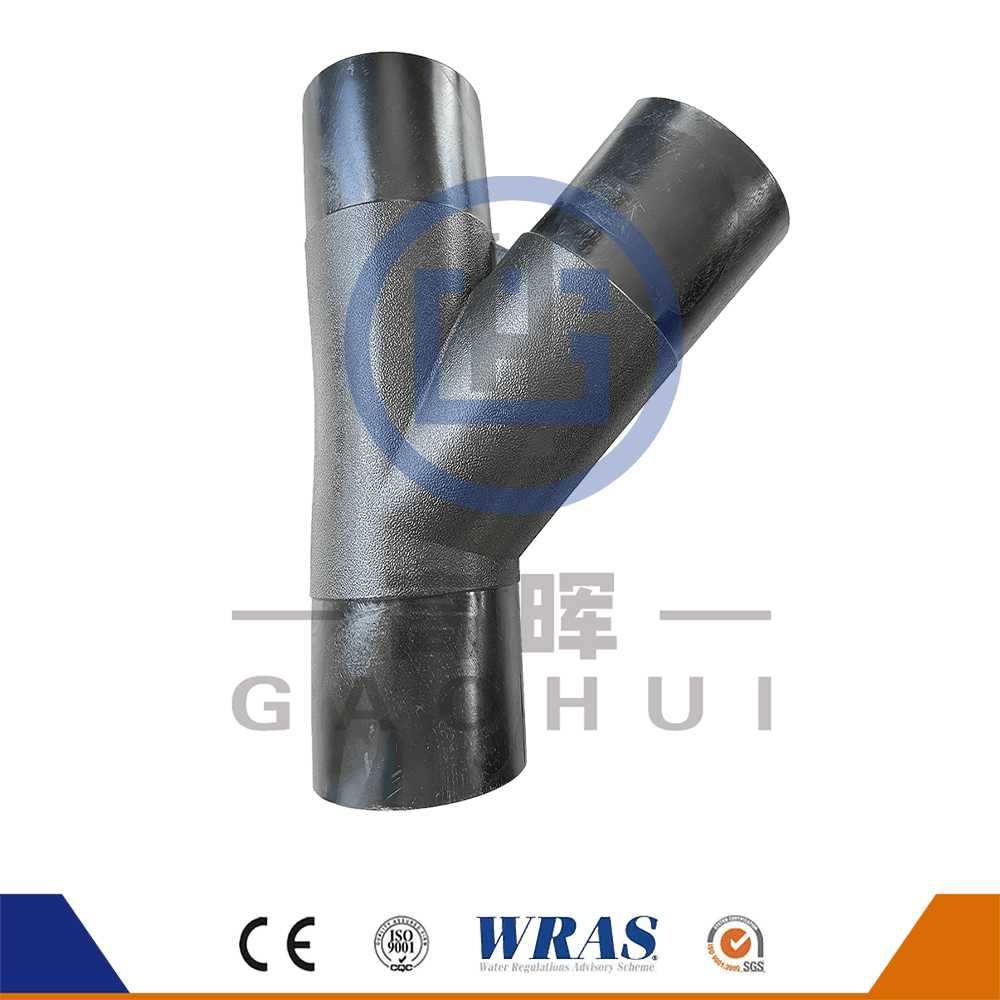
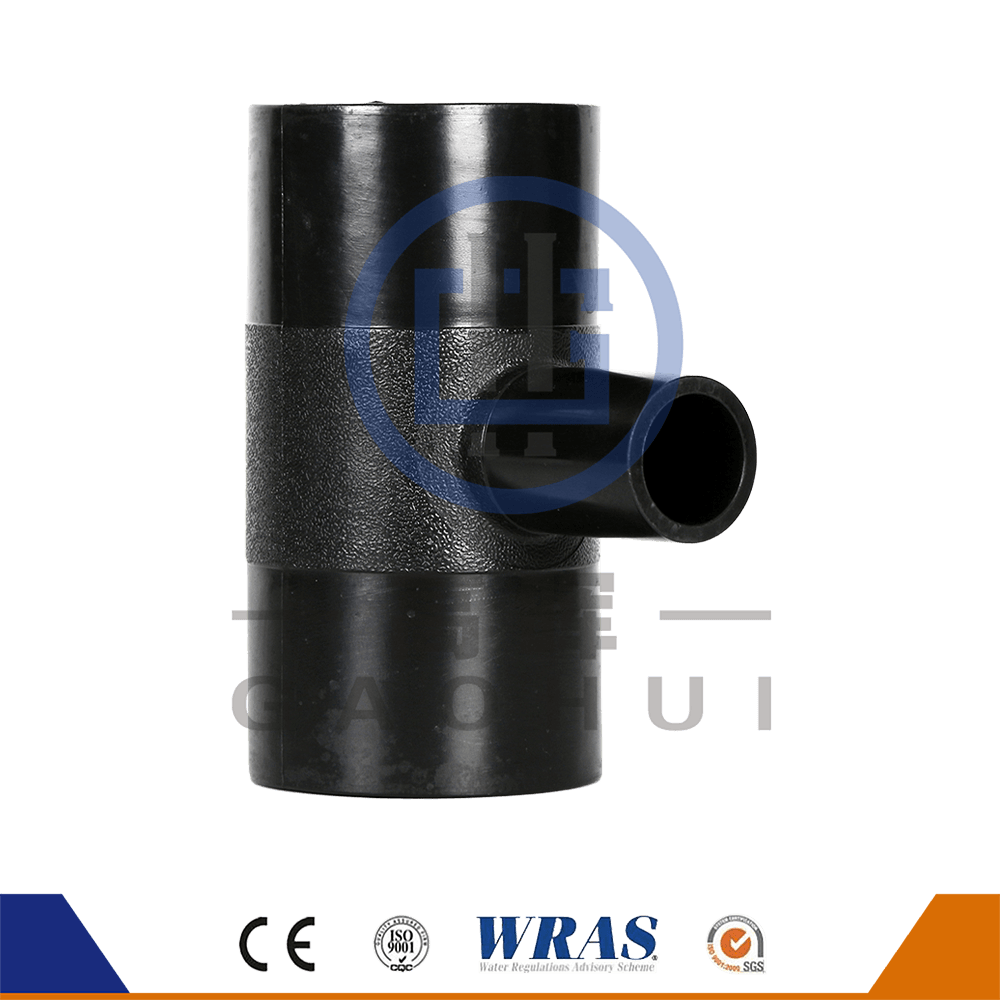
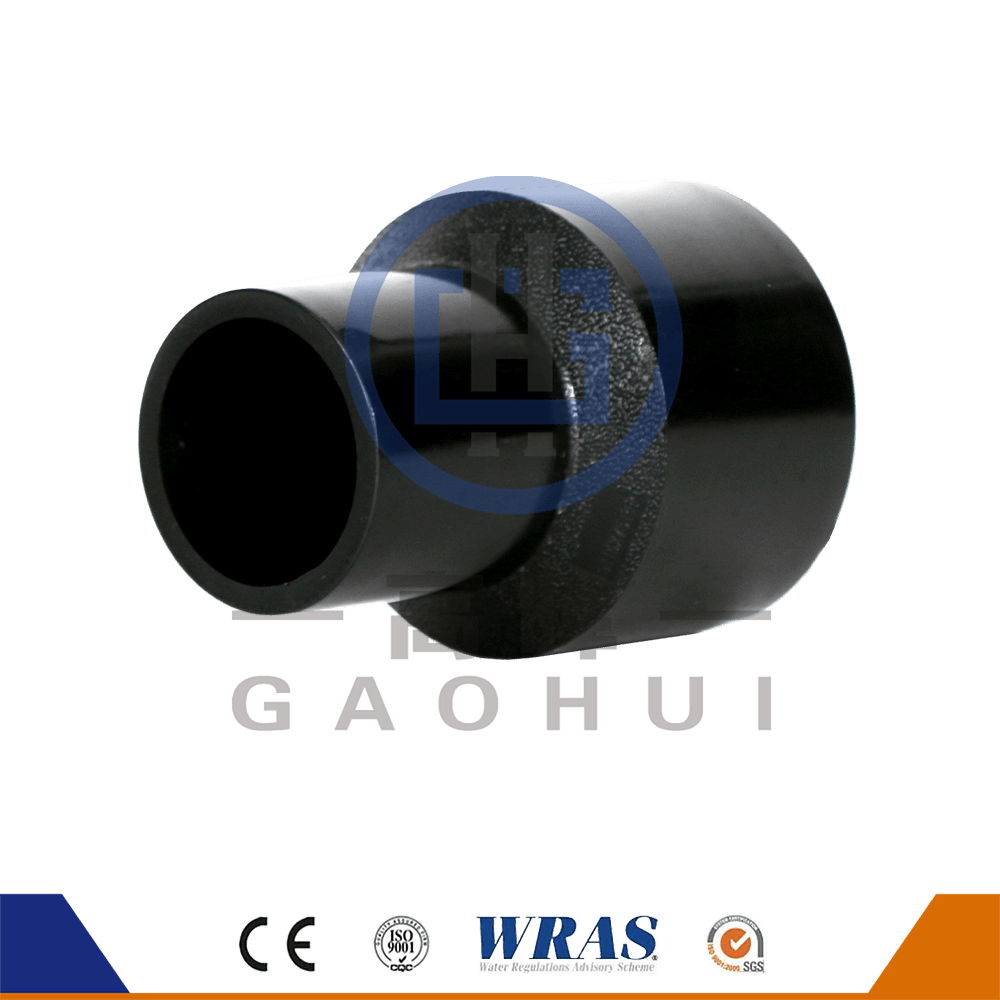
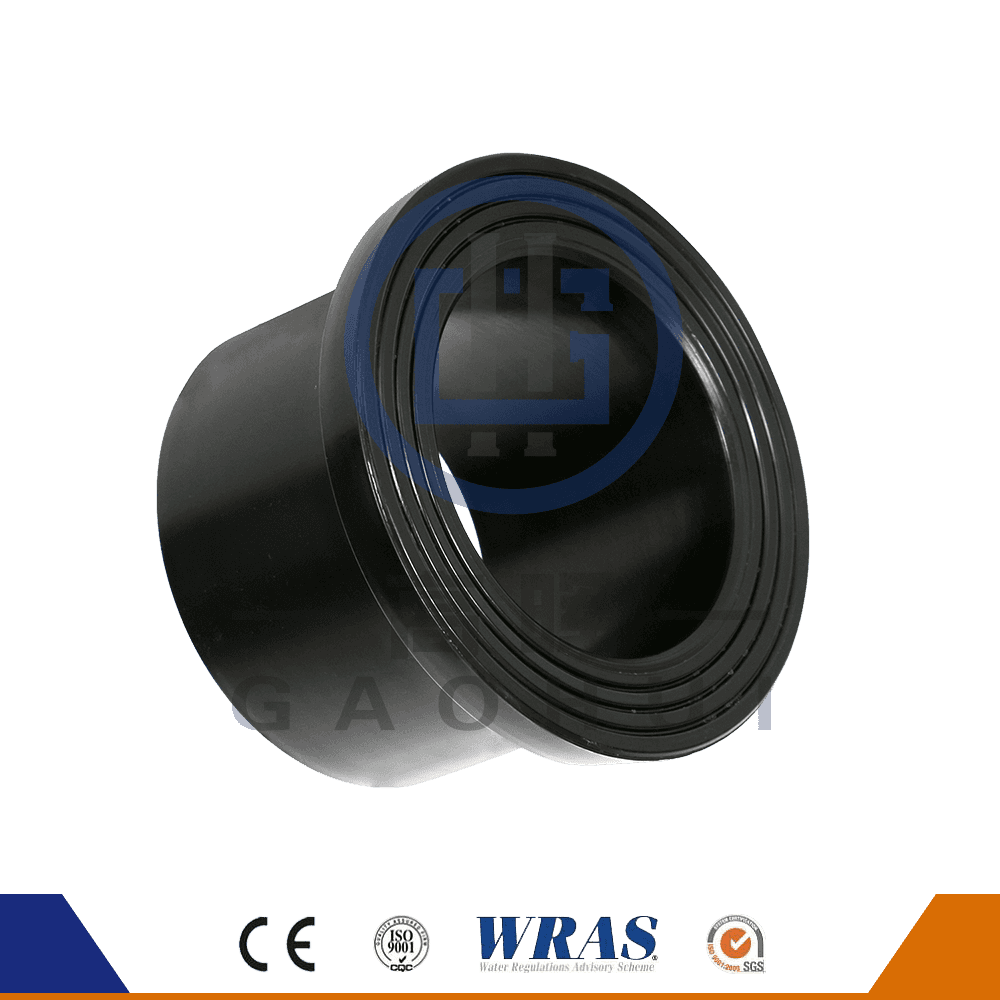
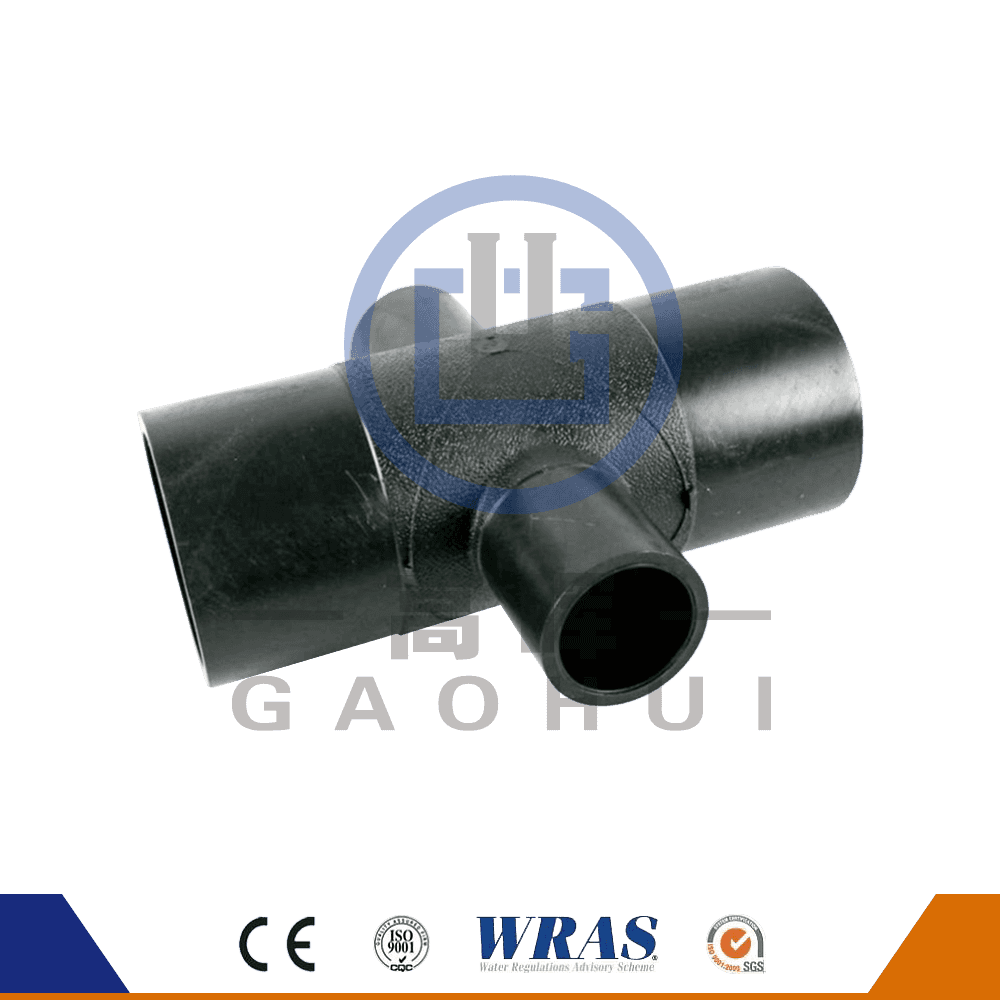
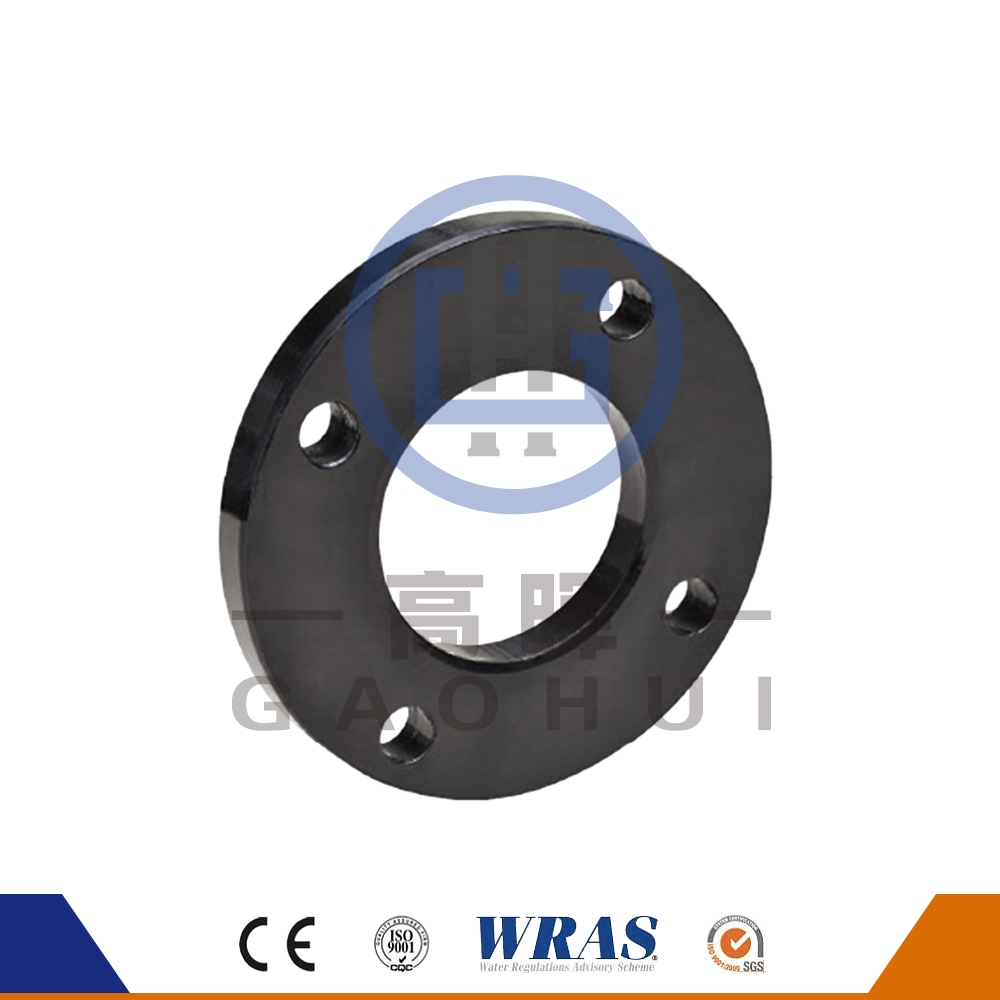
High-Density Polyethylene (HDPE) is a type of plastic that has been widely used for various applications due to its strength, flexibility, and resistance to chemicals and environmental stress. HDPE fittings are the components used to connect or join HDPE pipes in different configurations to form a complete piping system. These fittings come in various shapes, including elbows, tees, couplings, reducers, and more, and they are designed to withstand high pressure, harsh environmental conditions, and long-term use.
HDPE fittings are typically used in underground piping systems for water supply, gas distribution, drainage, sewage, and even in mining or industrial applications where durability and corrosion resistance are key concerns. The unique properties of HDPE make it a reliable and efficient material for these installations.
Key Advantages of HDPE Fittings for Underground Piping
Exceptional Durability and Longevity
One of the primary reasons HDPE fittings are favored in underground installations is their long-lasting durability. HDPE is highly resistant to cracking, corrosion, and wear, even in harsh underground environments. Unlike traditional materials like cast iron, steel, or PVC, HDPE fittings do not rust or corrode when exposed to water, chemicals, or extreme soil conditions. This makes them ideal for use in underground systems where they are subject to constant moisture, soil movement, and temperature fluctuations.
The resistance to corrosion and UV degradation ensures that HDPE fittings maintain their structural integrity over time, reducing the need for frequent repairs or replacements. This long lifespan translates into significant cost savings in the long run, as the maintenance and replacement costs associated with traditional piping materials are often higher.
Flexibility and Resistance to Ground Movements
Underground piping systems are often exposed to shifting ground conditions due to natural soil movements, seismic activity, or construction work. Traditional piping materials, such as concrete or metal pipes, can be rigid and susceptible to cracking or failure when subjected to ground movements. HDPE fittings, on the other hand, are highly flexible and can withstand ground shifts without breaking or leaking.
This flexibility allows HDPE pipes and fittings to adapt to changes in the ground without compromising the integrity of the piping system. In areas where soil movement is a concern, HDPE fittings provide a much more reliable solution, ensuring the system remains intact and operational.
Resistance to Chemical Damage
HDPE is known for its excellent chemical resistance, which makes it suitable for underground installations where pipes may be exposed to a variety of chemicals, including acids, alkalis, and salts. This resistance ensures that the HDPE fittings will not degrade over time when exposed to harmful substances commonly found in wastewater, sewage, or industrial waste.
In contrast to metal pipes, which can corrode or weaken when exposed to certain chemicals, HDPE fittings retain their strength and performance even in challenging chemical environments. This makes HDPE an excellent choice for sewer lines, stormwater management systems, and chemical processing plants, where chemical resistance is a critical requirement.
Ease of Installation
HDPE fittings offer several advantages when it comes to installation, particularly in underground applications. One of the biggest benefits is that HDPE pipes and fittings are lightweight compared to traditional materials like steel or concrete, making them easier to handle and transport to the installation site. The lighter weight reduces the need for heavy equipment and minimizes labor costs during installation.
Additionally, HDPE fittings are typically welded using electrofusion or butt fusion methods, which creates strong, leak-proof joints. These fusion techniques are quick and easy to perform, ensuring that installation times are reduced, and the integrity of the piping system is maintained. Since the joints are fused together, there is no need for additional sealing materials or mechanical fasteners, which simplifies the installation process and reduces the risk of leaks.
Leak-Free Connections
Leakage is a major concern in underground piping systems, especially in water distribution and sewage systems, where leaks can lead to contamination, water loss, and costly repairs. HDPE fittings are designed to provide leak-free connections, as the fusion process used to join HDPE pipes and fittings creates a seamless bond between the components. This eliminates the need for gaskets, seals, or mechanical joints, which are often prone to wear and failure over time.
The strong, welded connections created by HDPE fittings ensure that the piping system remains secure and leak-resistant throughout its lifespan. This is particularly important for underground systems, where leaks can be difficult to detect and repair.
Cost-Effective Solution
While HDPE fittings may have a higher upfront cost compared to some traditional materials, their long-term performance and durability make them a cost-effective choice for underground piping installations. The reduced need for maintenance, repair, and replacement over the years helps to lower the overall cost of the piping system. Additionally, the ease of installation and the absence of additional sealing materials further reduce labor and material costs.
HDPE piping systems are also more energy-efficient to transport and install, thanks to their lightweight construction. This results in lower shipping costs and faster installation times, which ultimately contribute to a more affordable overall project.
Environmental Benefits
As environmental concerns continue to rise, many industries are turning to sustainable materials for their infrastructure projects. HDPE is a recyclable material, which means that once a piping system has reached the end of its useful life, the components can be recycled and repurposed for other uses. This reduces the amount of plastic waste that ends up in landfills and supports the circular economy.
Moreover, HDPE fittings are produced with minimal environmental impact compared to other materials like steel or concrete, which require significant energy and raw materials to manufacture. By opting for HDPE, construction and utility companies can reduce their carbon footprint and contribute to more sustainable infrastructure practices.
Applications of HDPE Fittings in Underground Installations
HDPE fittings are used in a wide range of underground piping applications, including:
- Water Distribution Systems: HDPE fittings are commonly used in potable water distribution systems due to their ability to maintain water quality and prevent contamination.
- Sewage and Wastewater Systems: The chemical resistance and leak-proof nature of HDPE make it an ideal material for sewage and wastewater pipelines.
- Stormwater Drainage Systems: HDPE fittings are well-suited for stormwater management systems, as they can withstand the harsh conditions of runoff and prevent clogging.
- Gas Distribution Networks: HDPE’s resistance to corrosion and chemicals makes it a safe and reliable material for natural gas pipelines.
- Industrial Applications: HDPE fittings are also used in industrial and mining applications, where the piping systems need to withstand high pressures and abrasive materials.