
 English
 русский
 عربى
عربىContent
- 1 What Are HDPE Butt Fusion Fittings?
- 2 Enhanced Durability and Longevity
- 3 Improved Leak Resistance
- 4 Ease of Installation and Reduced Labor Costs
- 5 Increased Flexibility for Complex Pipeline Designs
- 6 Resistance to Environmental Stress and Fatigue
- 7 Cost-Effectiveness Over the Long Term
- 8 Sustainability and Environmental Impact
In the world of modern pipeline infrastructure, the need for reliable, durable, and efficient systems is more critical than ever. Whether it’s for water, gas, sewage, or industrial fluid transport, pipelines need to be robust enough to handle varying pressure conditions, weather, and physical stress. One solution that has gained significant popularity in large-scale pipeline construction is the use of HDPE Butt Fusion Fittings. These fittings have become a go-to choice for joining high-density polyethylene (HDPE) pipes, offering advantages in efficiency, reliability, and long-term performance.
What Are HDPE Butt Fusion Fittings?
Before diving into their benefits, it’s important to understand what HDPE Butt Fusion Fittings are and how they work.
HDPE (High-Density Polyethylene) is a thermoplastic polymer that is known for its excellent strength-to-density ratio, resistance to chemicals, and long lifespan. It is commonly used for applications in pipelines, water systems, and industrial infrastructure. Butt fusion is a method used to join two pieces of HDPE pipe or pipe fittings together by heating their ends and pressing them together under controlled pressure. This process forms a permanent, high-strength bond, ensuring a leak-free and seamless connection.
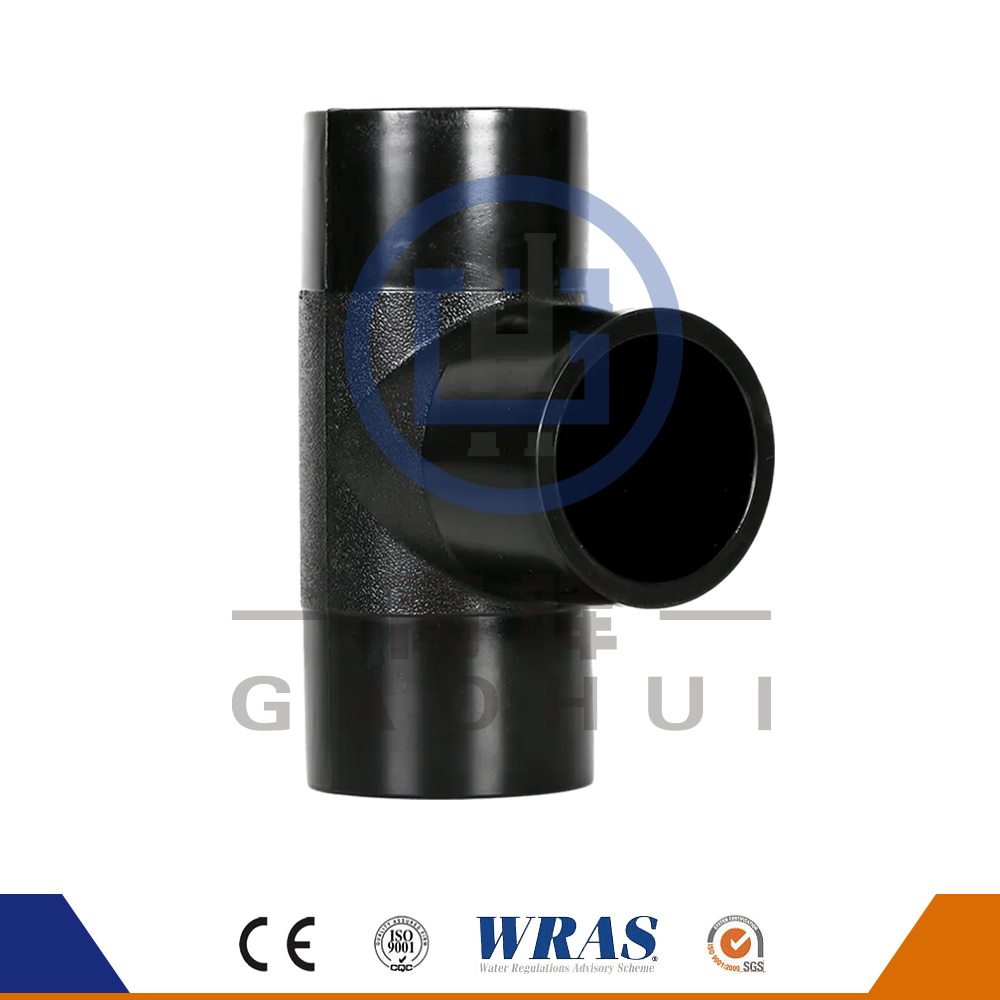
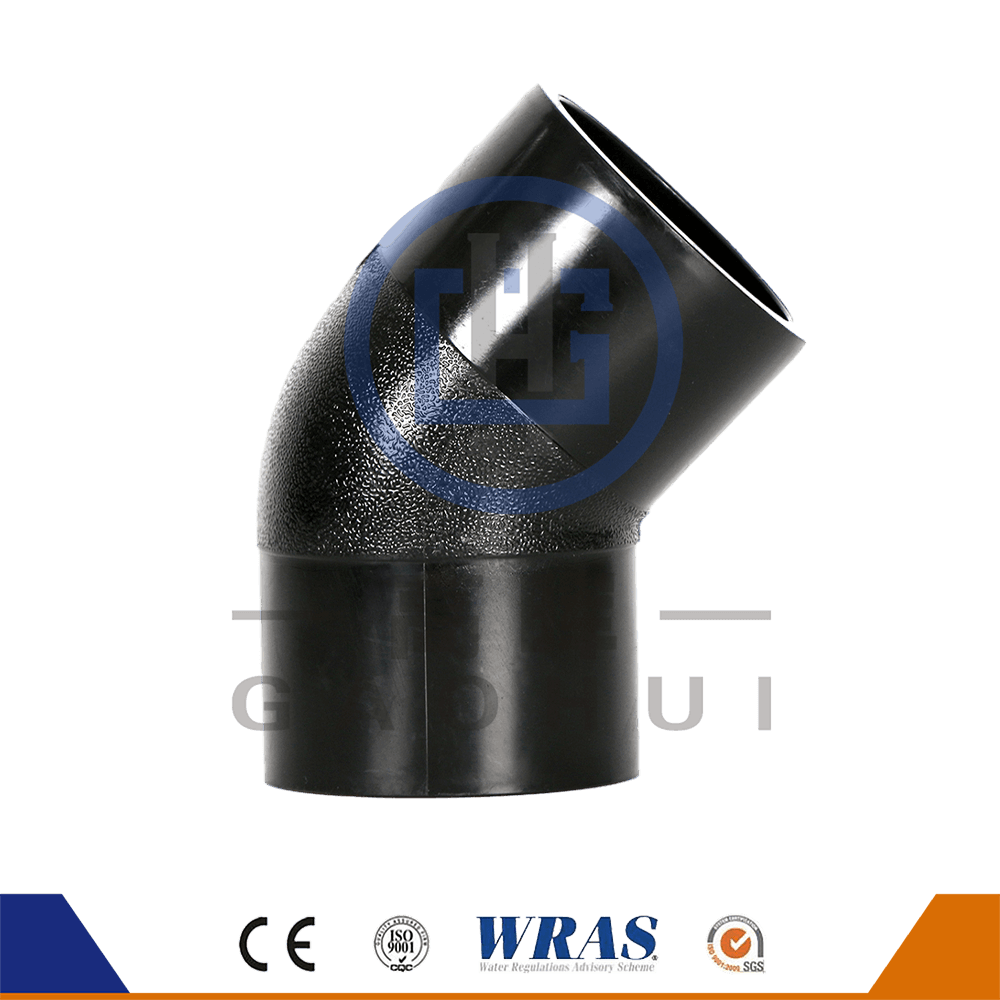
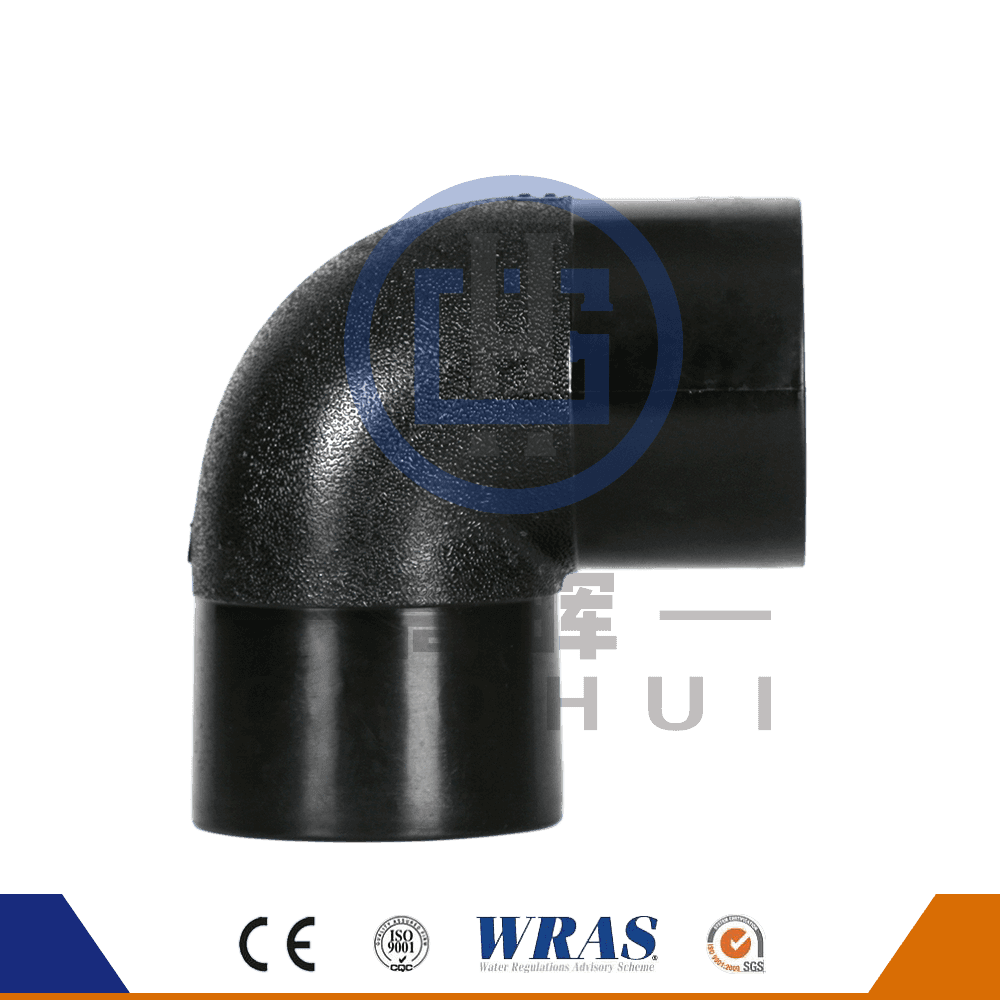
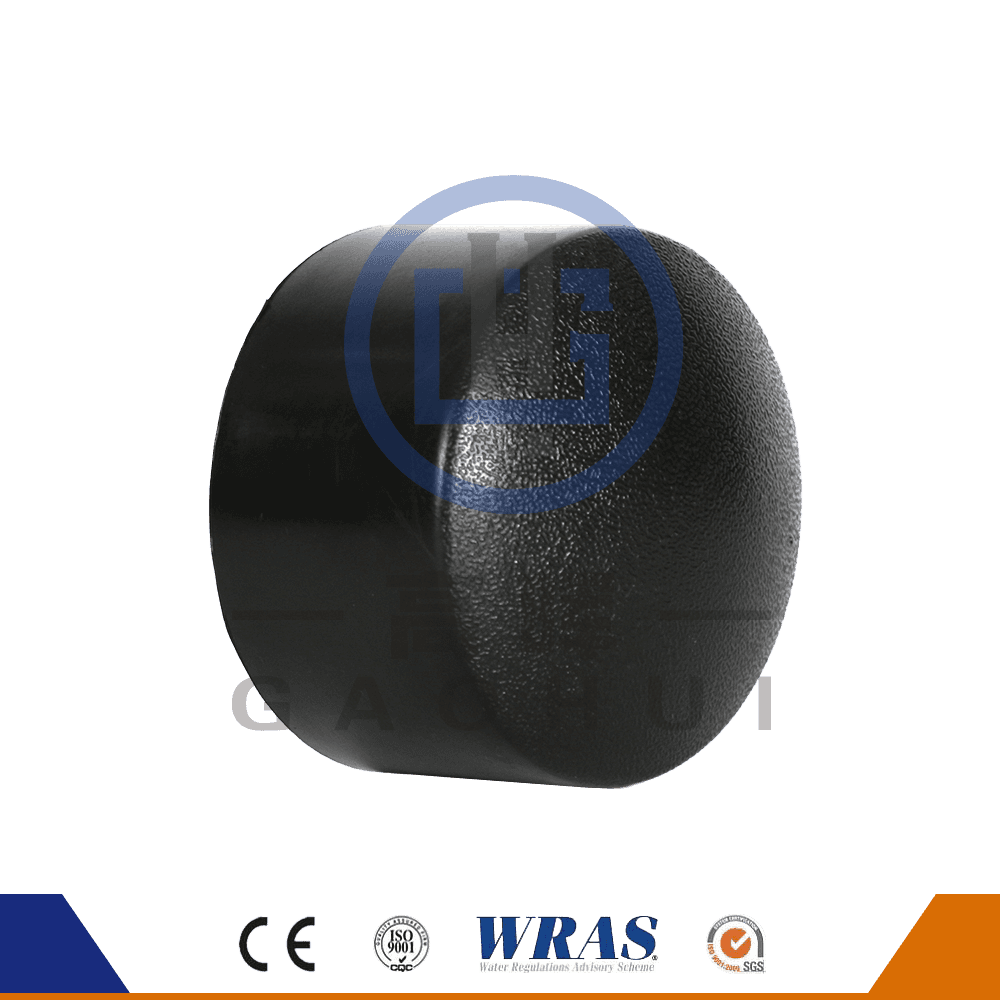
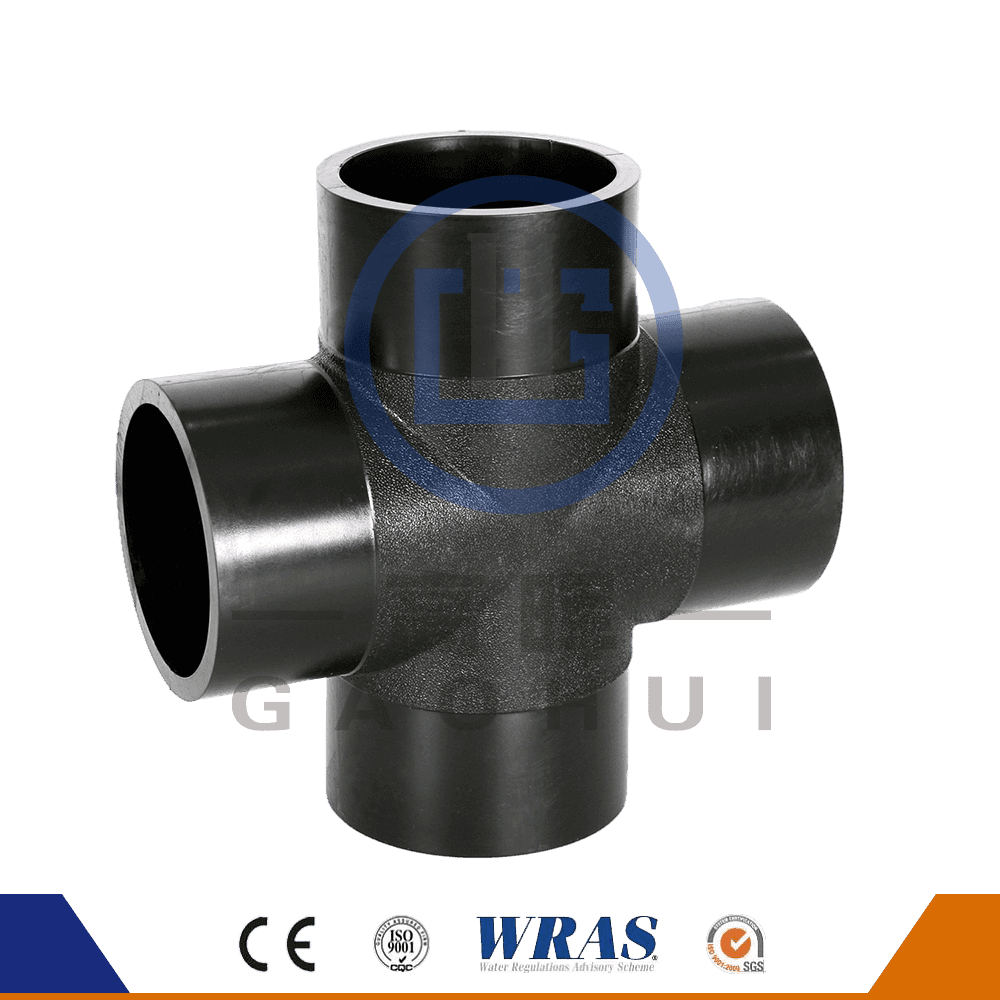
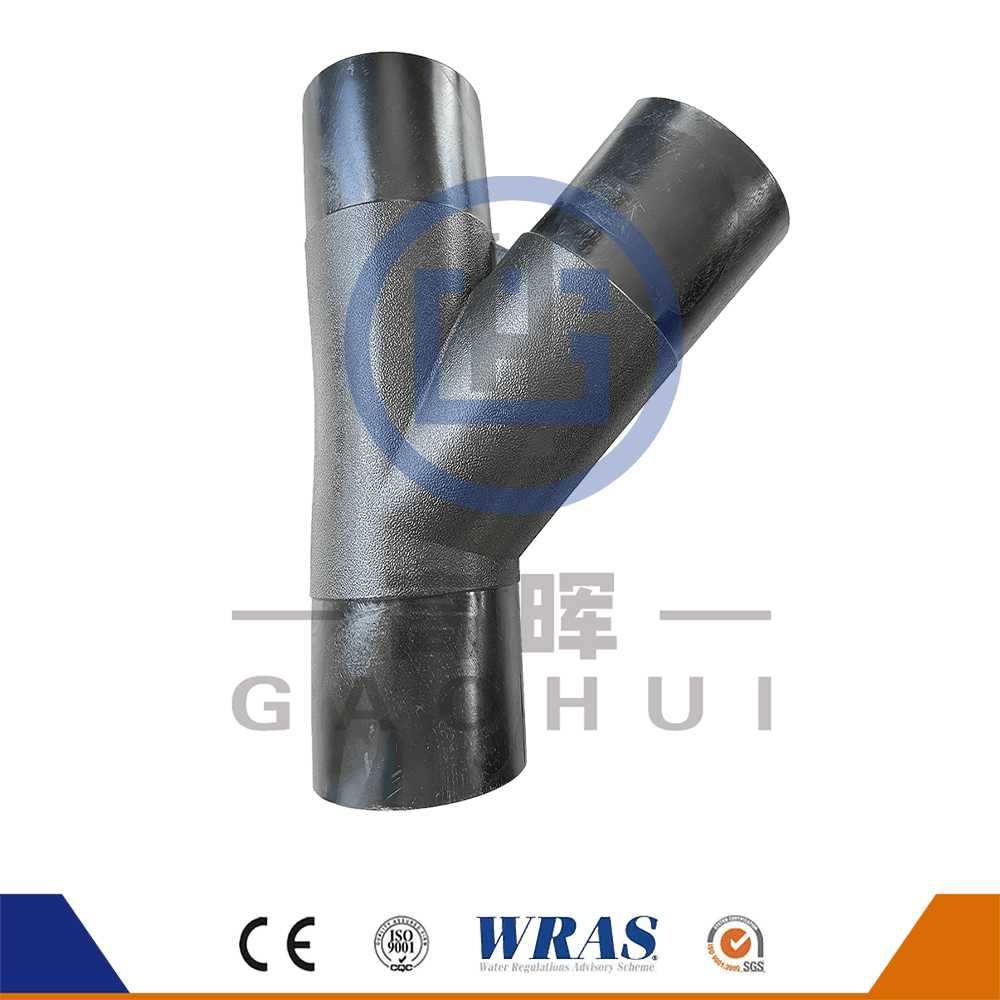
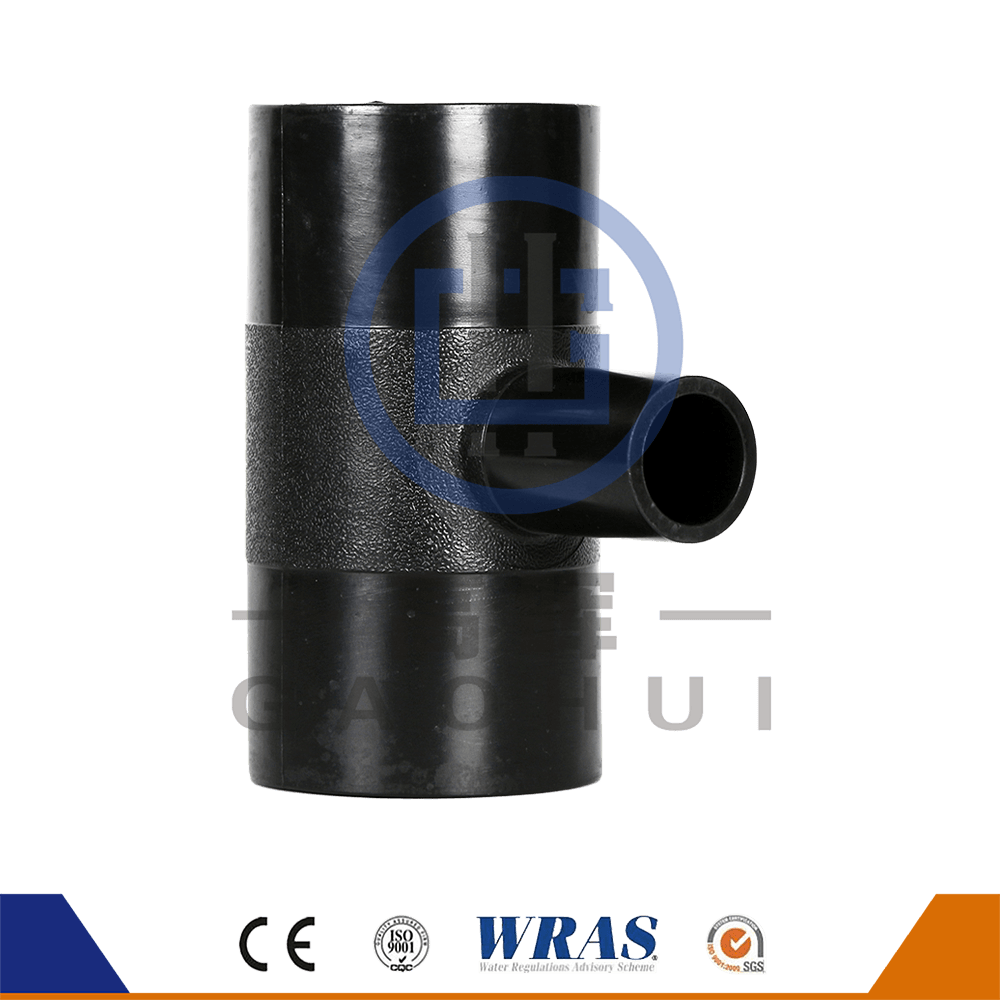
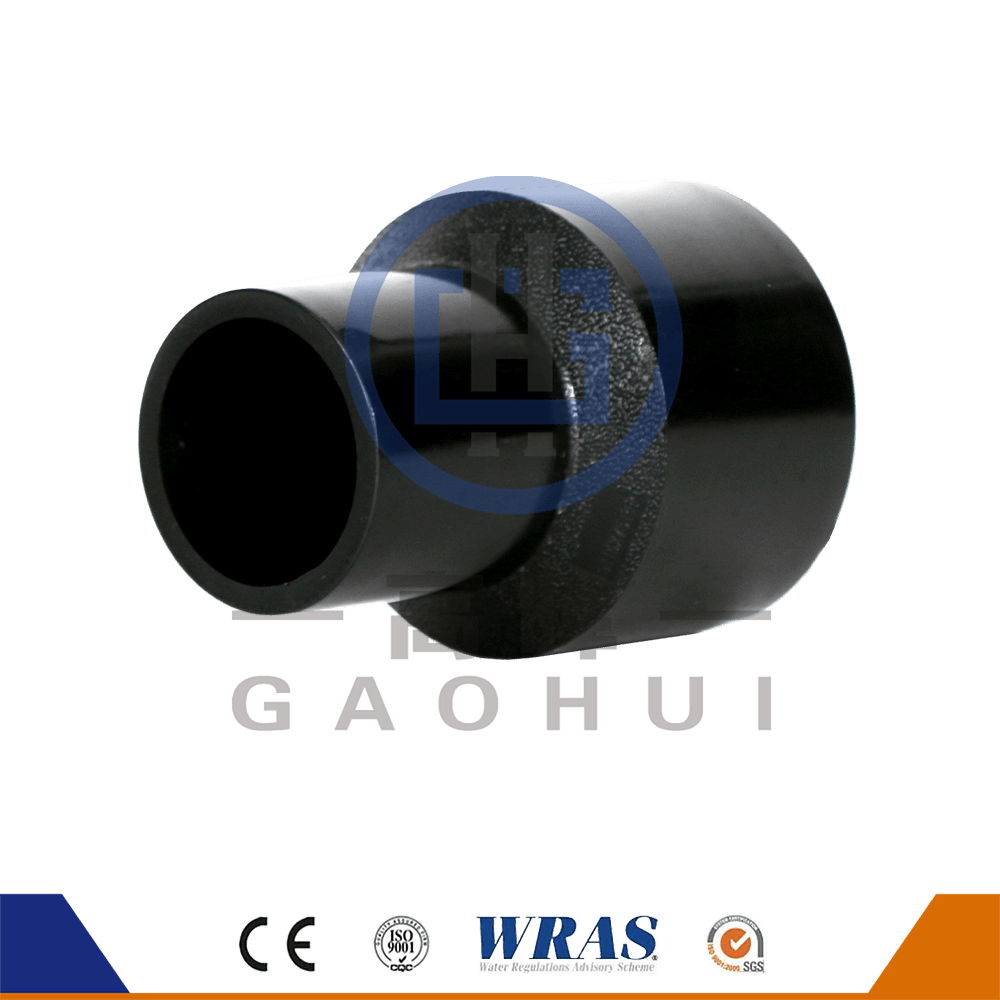
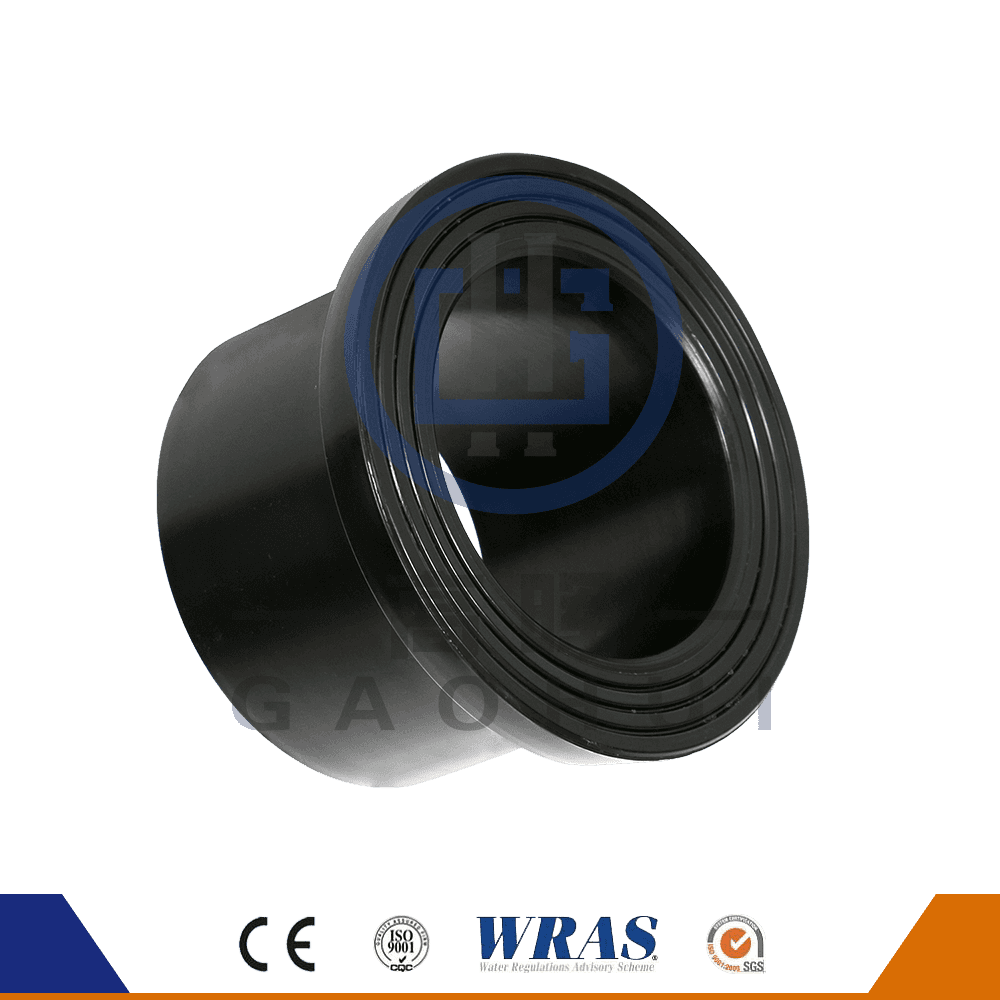
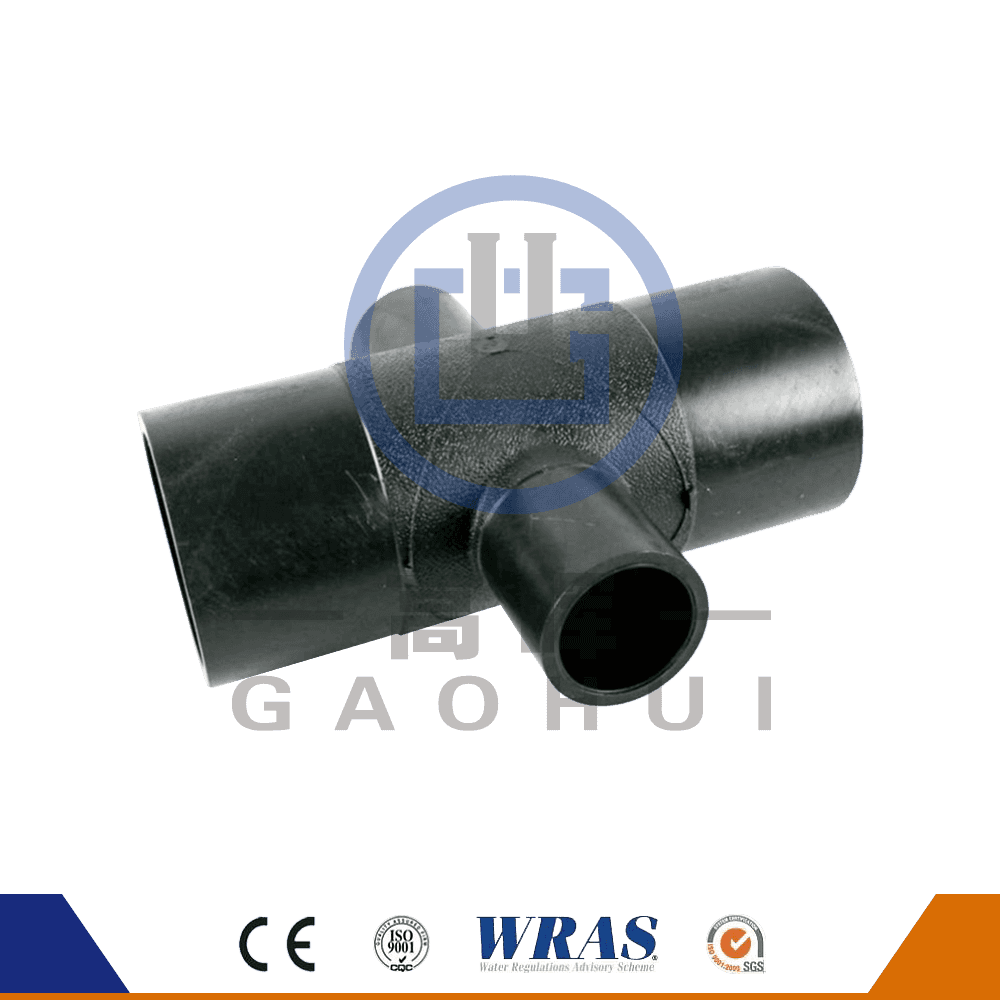
Butt fusion fittings are specially designed components that facilitate the joining of HDPE pipes in a variety of shapes, including straight connectors, elbows, tees, and reducers. The result is a strong, homogenous bond that performs consistently under pressure.
Enhanced Durability and Longevity
One of the standout advantages of HDPE Butt Fusion Fittings is their remarkable durability and long service life. Unlike traditional metal fittings, which can corrode over time, HDPE pipes and fittings are resistant to a wide range of chemicals and environmental factors, such as UV rays and extreme weather conditions. This resistance translates to fewer maintenance needs and a longer lifespan for the entire pipeline system.
The fusion process creates a seamless connection between pipe ends, eliminating the risk of leaks that might occur with mechanical joints or welded connections. This makes HDPE Butt Fusion Fittings an excellent choice for large-scale pipelines that require long-term, low-maintenance performance. These fittings can withstand harsh environments, whether the pipeline is exposed to high temperatures, high-pressure conditions, or aggressive chemical exposure.
Improved Leak Resistance
A primary concern in any pipeline system is ensuring that there are no leaks, which could result in costly repairs, environmental damage, and operational downtime. HDPE Butt Fusion Fittings significantly improve leak resistance by creating a smooth, continuous, and homogenous joint between pipe segments.
Since the joining process effectively fuses the two pipe ends together, the connection becomes as strong and durable as the pipe itself. Unlike mechanical fittings, which rely on seals or gaskets that can degrade over time, the butt fusion process creates a bond that is impervious to leaks. In large-scale pipeline projects, particularly those involving high-pressure liquids or gases, this reliability is crucial to maintaining the integrity of the entire system.
Additionally, HDPE’s resistance to corrosion and erosion adds to the overall effectiveness of the joint. The lack of vulnerability to rust and other forms of wear and tear ensures that the pipeline can operate smoothly for decades without the need for frequent repairs or replacements.
Ease of Installation and Reduced Labor Costs
HDPE Butt Fusion Fittings simplify the installation process for large-scale pipelines. Traditional methods of joining pipes often require extensive labor, specialized welding, or the use of sealing materials, all of which can increase installation time and cost. In contrast, butt fusion involves a straightforward process that requires minimal tools and equipment.
The procedure itself is relatively quick and involves fewer steps than traditional pipe joining methods. The process is also highly automated, with modern fusion machines that ensure the joint is made to exact specifications every time. This leads to faster installation and fewer labor hours, which translates into lower overall project costs.
For large-scale pipeline projects that span long distances or complex terrains, this time-saving and cost-effective installation method can be a significant advantage. The seamless, efficient process also reduces the risk of errors during installation, ensuring that the pipeline is set up correctly the first time.
Increased Flexibility for Complex Pipeline Designs
HDPE Butt Fusion Fittings offer great flexibility in terms of design, making them suitable for a wide range of pipeline configurations. The fittings can be used to connect HDPE pipes at various angles, with elbows, tees, reducers, and other custom fittings available. This adaptability is particularly useful in large-scale pipeline systems that may require various junctions, bends, or changes in direction.
Since HDPE pipes are lightweight and flexible, they are easier to work with in complex designs compared to heavier, more rigid materials like metal. The ability to shape and manipulate the pipeline system during construction gives engineers more freedom to plan and execute intricate layouts, even in challenging environments such as underground installations or areas with limited access.
The flexibility of HDPE Butt Fusion Fittings also makes them ideal for retrofitting or expanding existing pipeline systems. When it’s necessary to add more sections or alter the structure of an existing pipeline, the ease with which new segments can be fused into the system allows for quick upgrades without significant disruptions.
Resistance to Environmental Stress and Fatigue
In large-scale pipelines, environmental stress and mechanical fatigue can lead to cracks, leaks, and other issues that compromise the integrity of the system. HDPE, however, is highly resistant to environmental stress-cracking and fatigue, making it an ideal material for pipes that need to endure significant physical stress.
Whether a pipeline is subjected to shifting soil, temperature fluctuations, or high-pressure conditions, HDPE Butt Fusion Fittings maintain their structural integrity. These fittings are also resistant to the impact and vibrations that might be encountered in buried or offshore pipelines. This robust nature ensures that pipelines can perform reliably over extended periods, even in dynamic environments.
The added durability of HDPE reduces the likelihood of pipeline failures, meaning fewer repairs and less downtime over the life of the pipeline. For large-scale industrial projects or those involving the transportation of critical resources like water or gas, this added reliability is crucial for operational success.
Cost-Effectiveness Over the Long Term
While the initial investment in HDPE Butt Fusion Fittings and the required equipment may seem high compared to other materials, the long-term cost savings are significant. HDPE pipes and fittings have a much longer service life than traditional materials like steel or cast iron, reducing the need for frequent repairs or replacements.
Moreover, the resistance to corrosion, erosion, and environmental stress means that HDPE pipelines are less likely to experience costly damage over time. In large-scale projects, this translates to significant savings in terms of maintenance, repair costs, and system downtime. The reduced need for interventions and inspections further lowers the total cost of ownership for HDPE pipelines.
Additionally, the ease of installation, with less labor and fewer material costs, makes HDPE Butt Fusion Fittings an economical choice for large-scale pipeline construction. Once the pipeline is installed, it is virtually maintenance-free for many years, contributing to the overall cost-effectiveness of the system.
Sustainability and Environmental Impact
As sustainability becomes an increasingly important consideration for infrastructure projects, HDPE Butt Fusion Fittings offer several environmental advantages. HDPE is a highly recyclable material, and old pipes can be repurposed or recycled at the end of their service life, minimizing waste.
Furthermore, the fusion process itself does not require the use of harmful chemicals or adhesives, reducing the environmental impact during installation. The long lifespan of HDPE pipelines means fewer materials are needed for replacements, leading to less waste over time.
For companies and municipalities looking to build environmentally responsible infrastructure, HDPE Butt Fusion Fittings present a viable, sustainable option that aligns with green building practices and environmental goals.