
 English
 русский
 عربى
عربىContent
In the world of home construction and plumbing, the debate between plastic pipes and traditional materials such as copper, steel, and cast iron has been ongoing for decades. Both types of materials offer distinct advantages and disadvantages depending on the application, and it’s important for homeowners, contractors, and builders to make informed decisions based on factors like cost, durability, installation, and maintenance.
What Are Plastic Pipes and Traditional Materials?
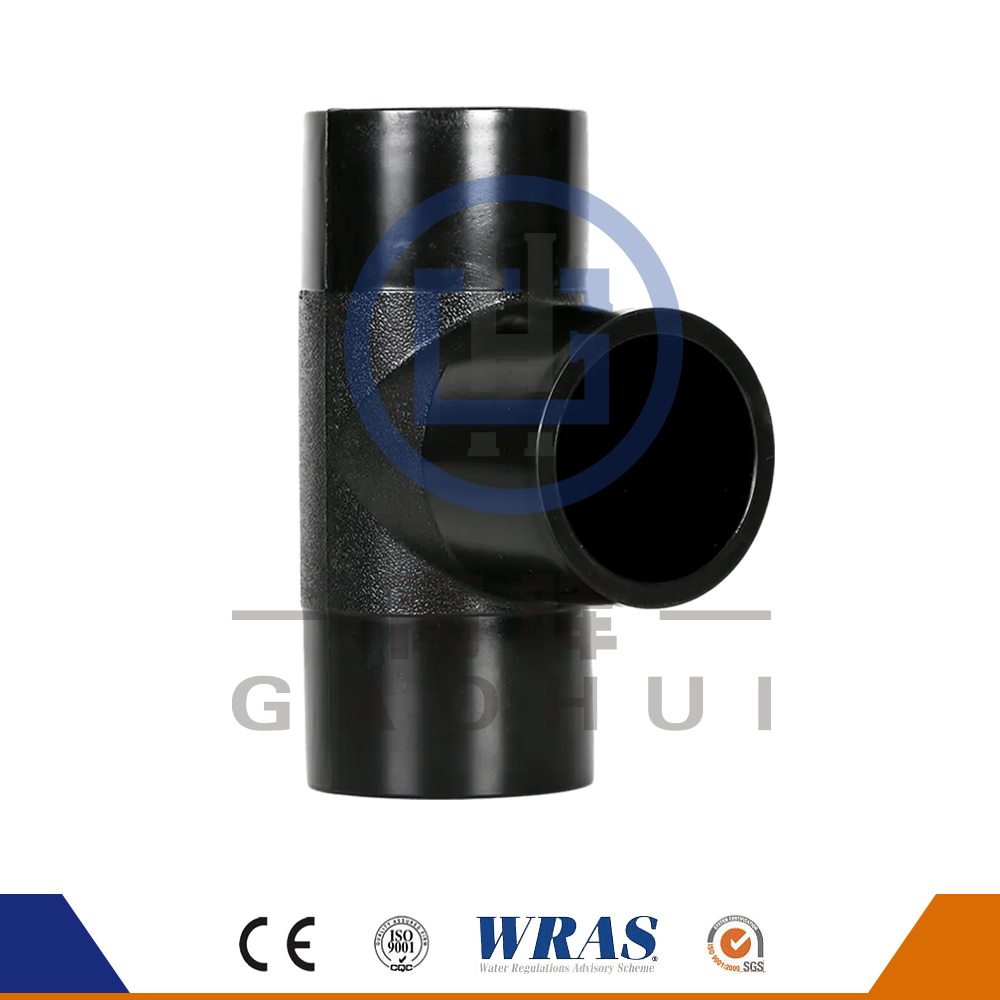
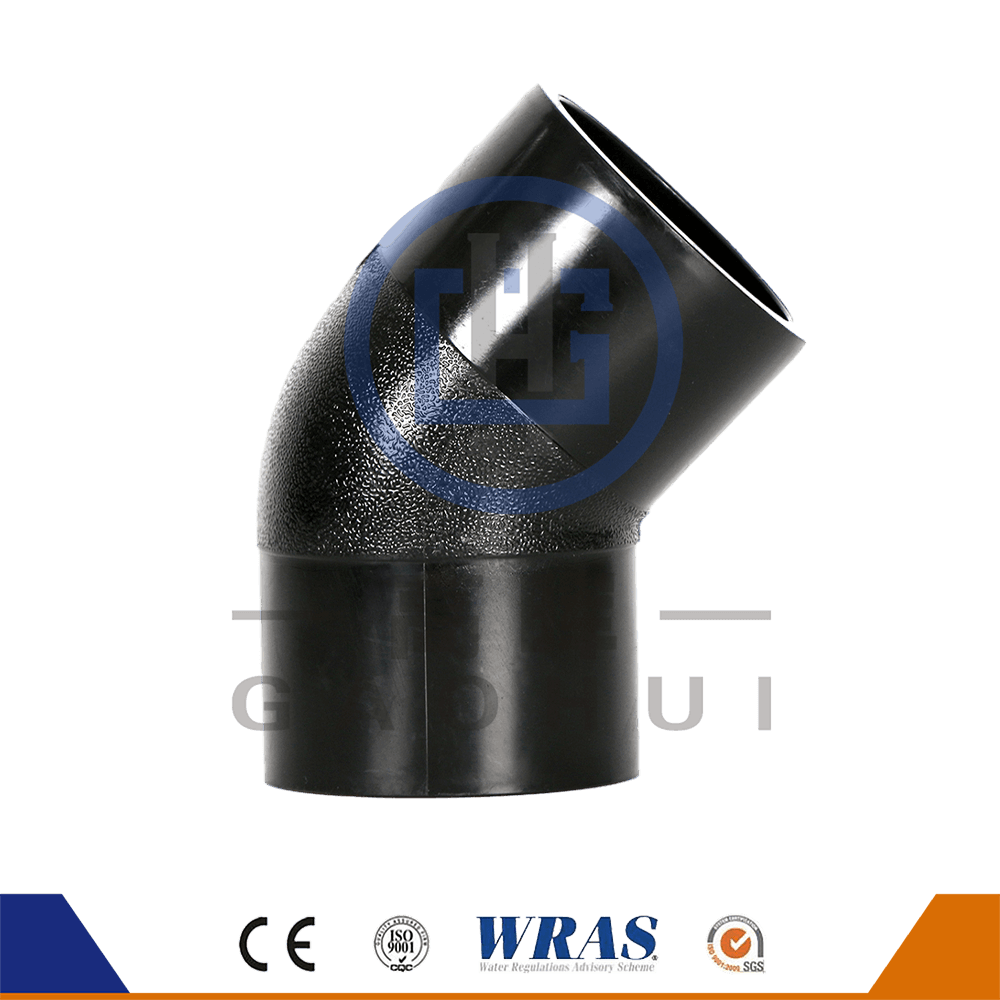
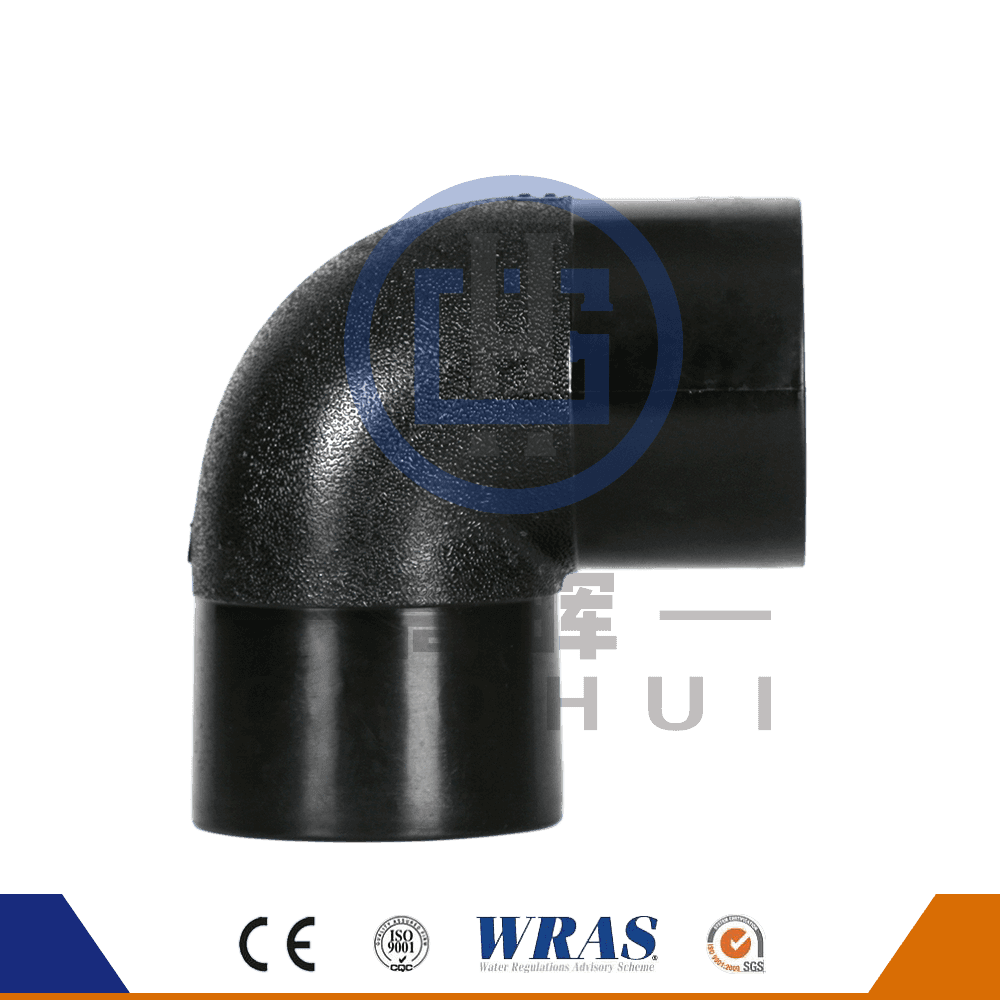
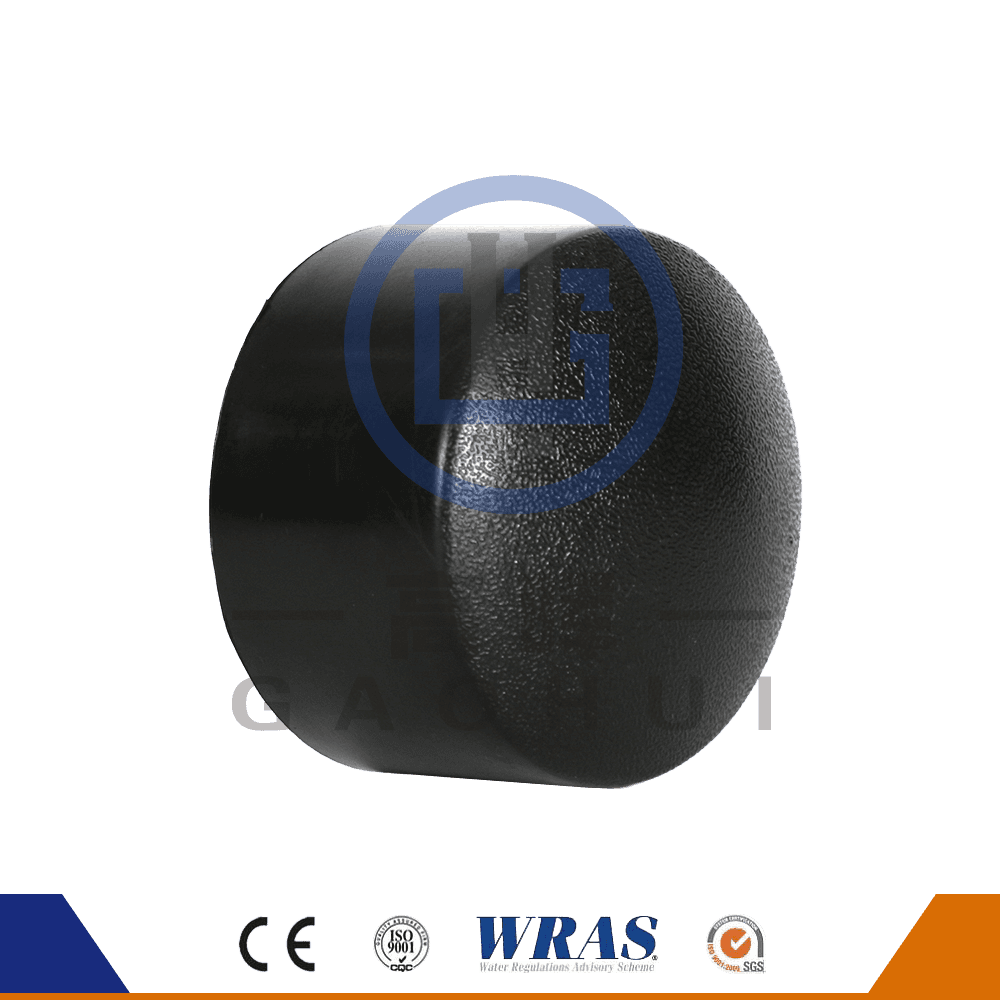
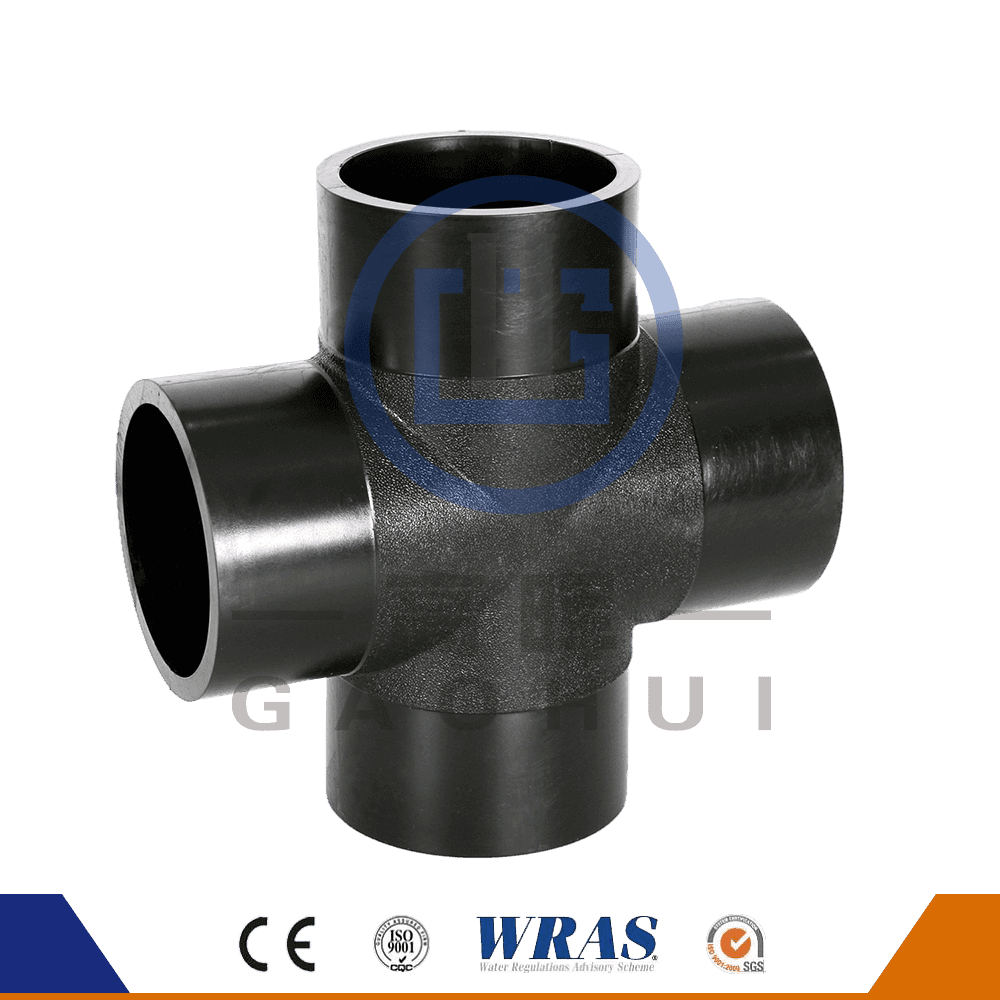
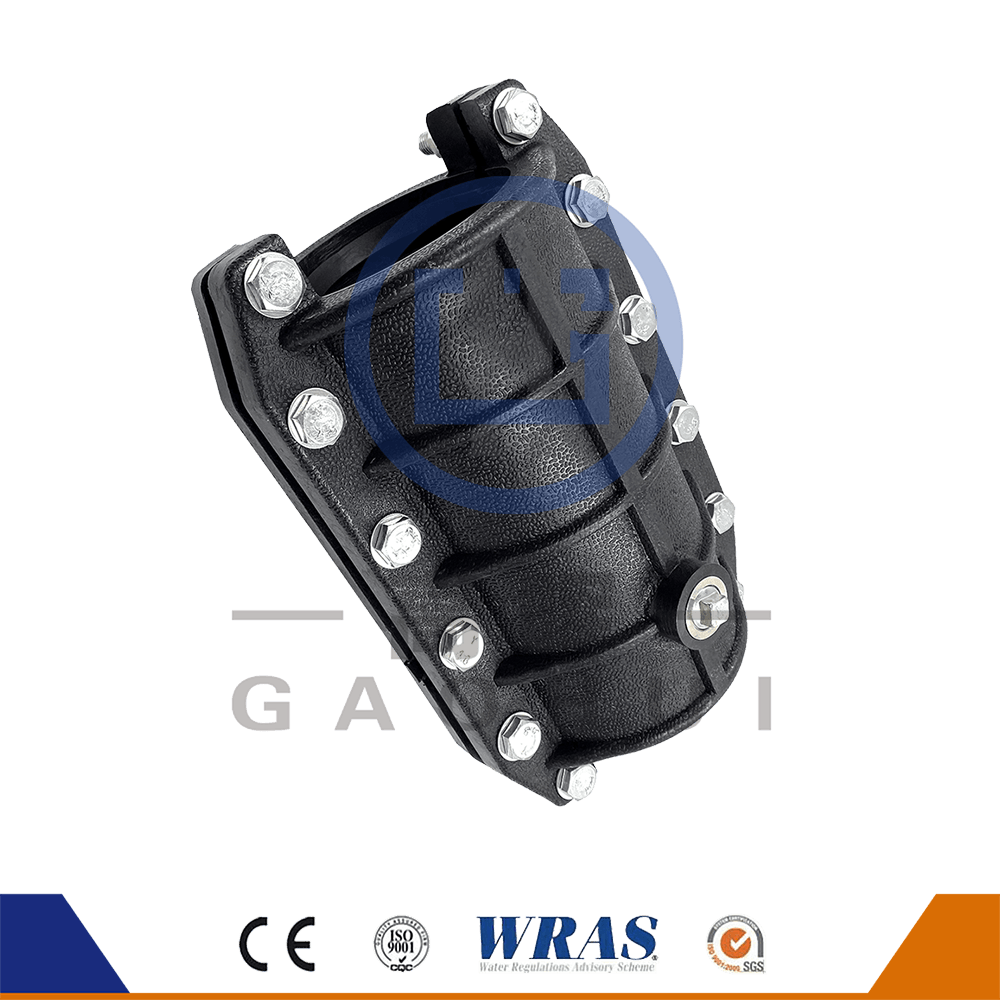
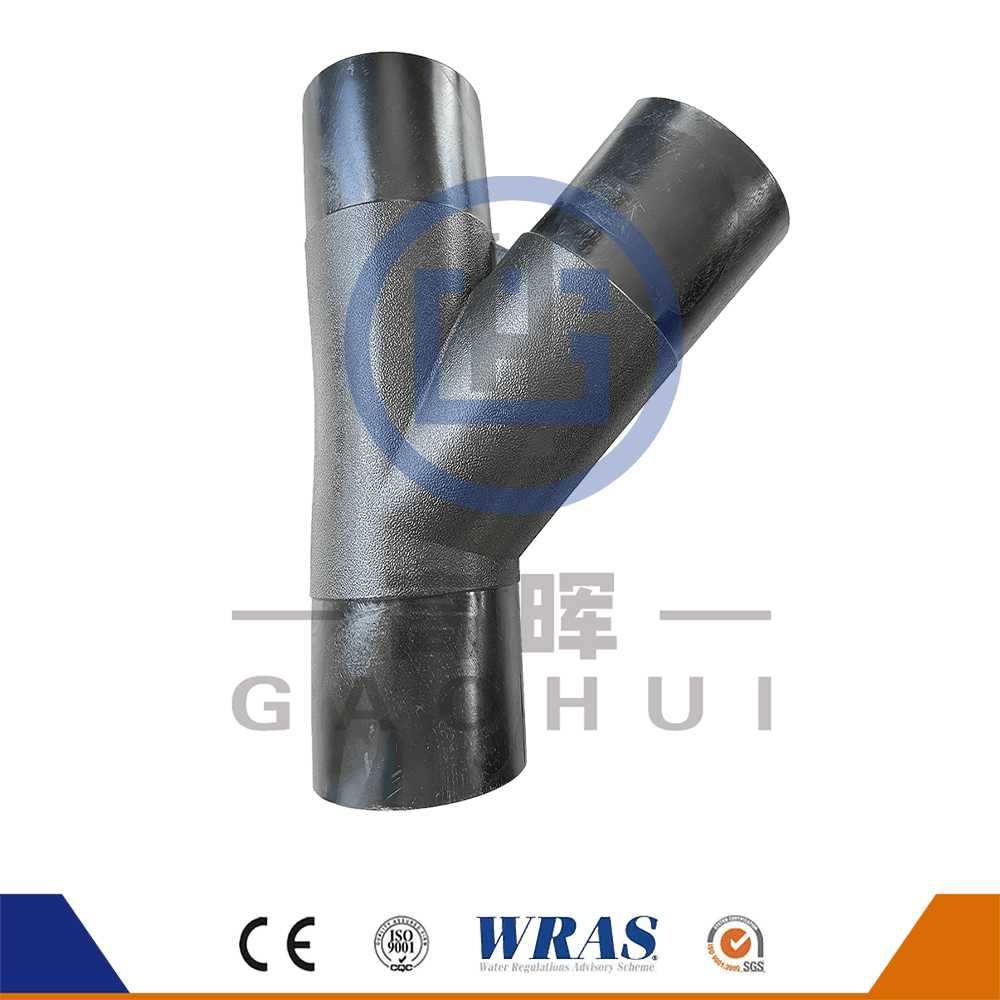
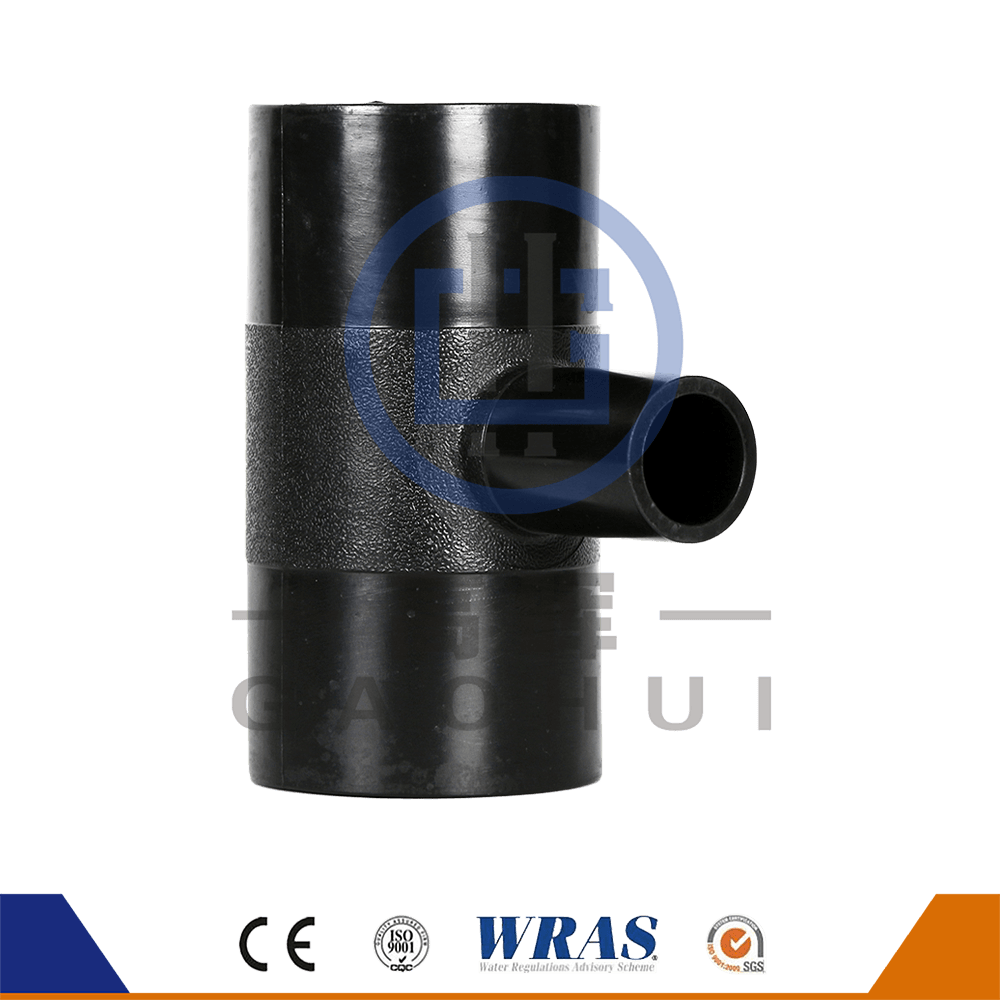
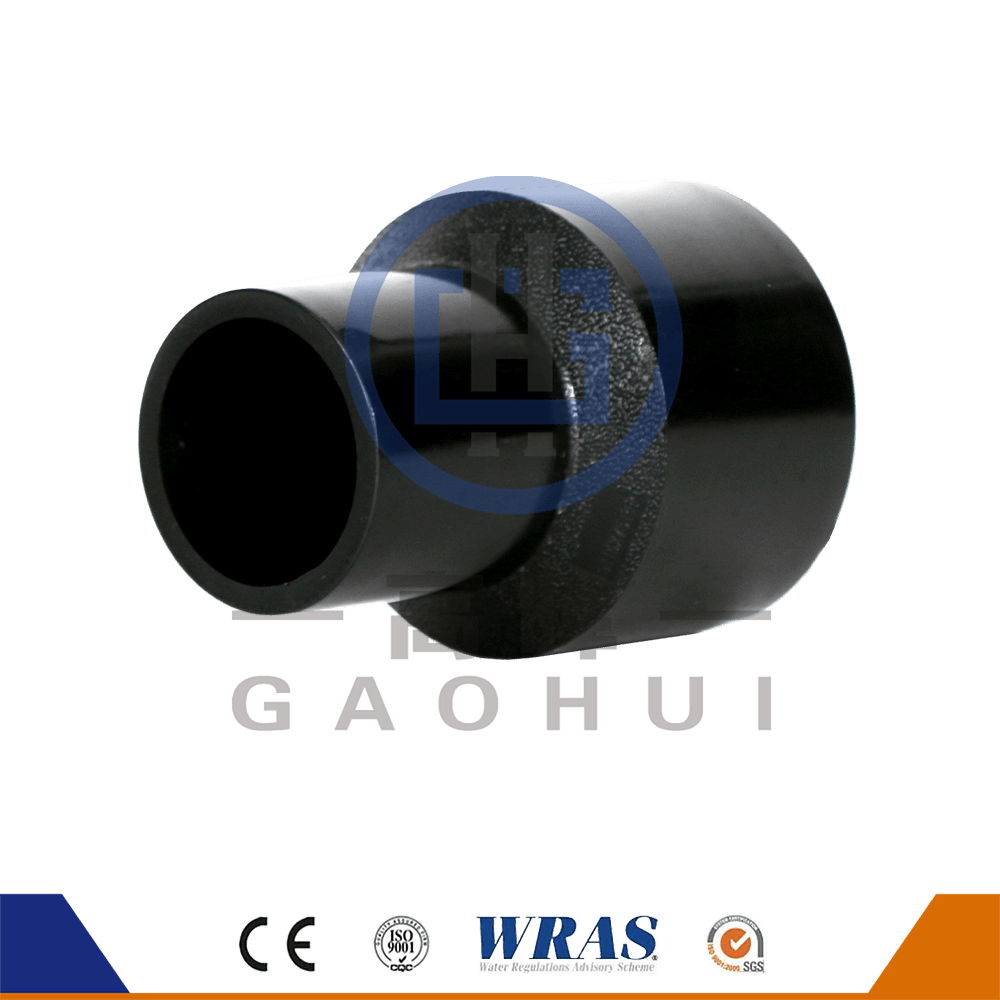
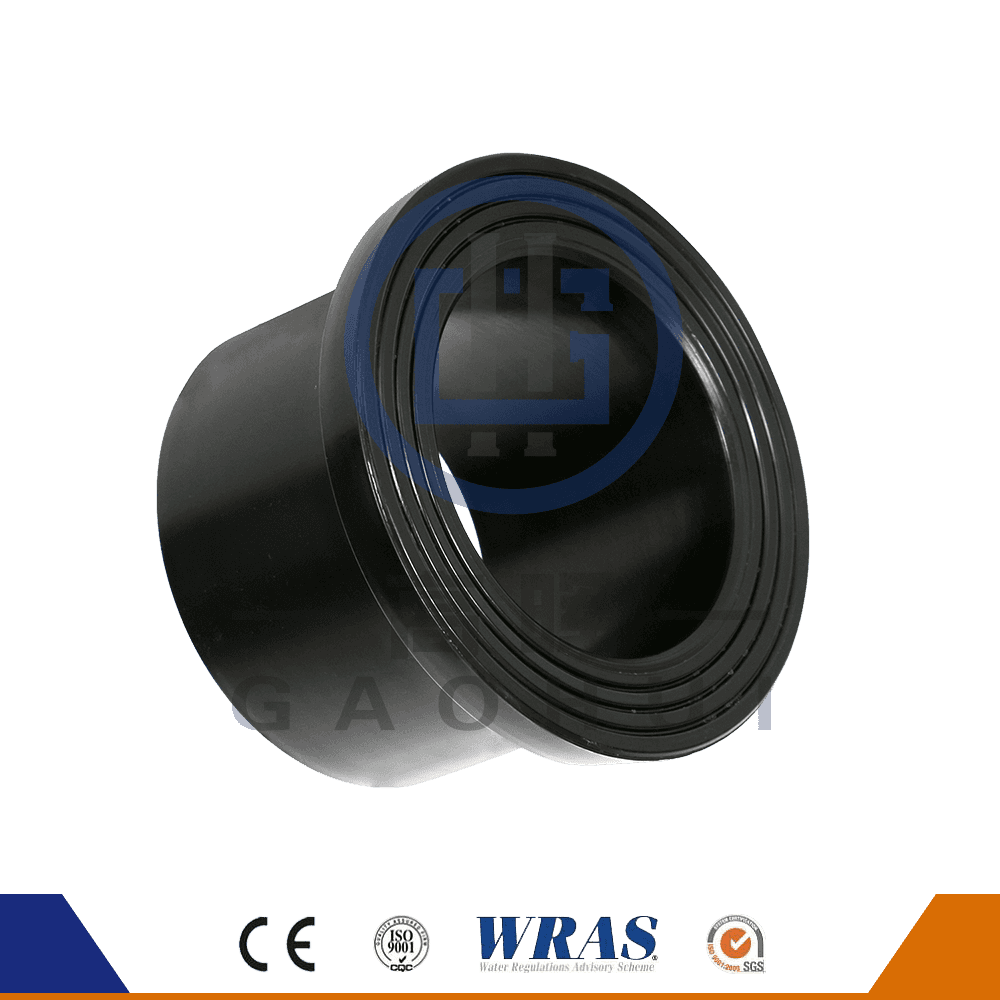
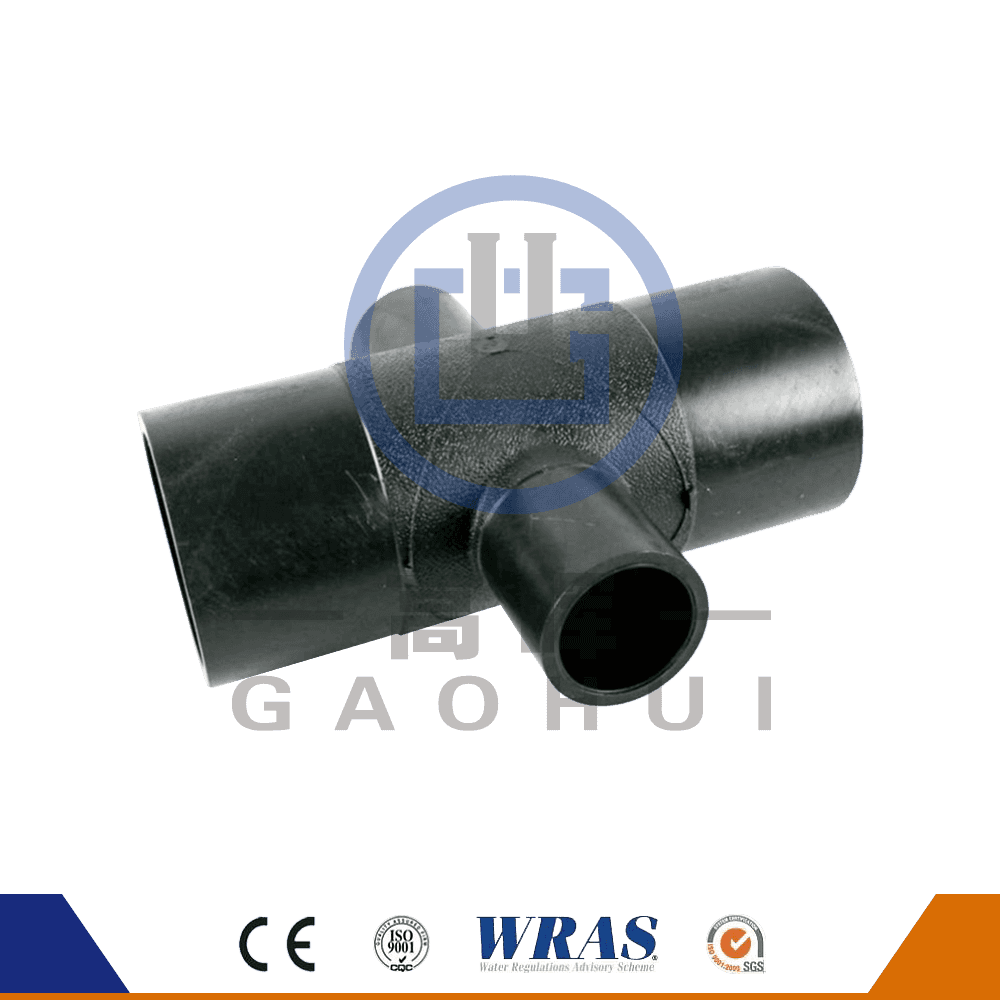
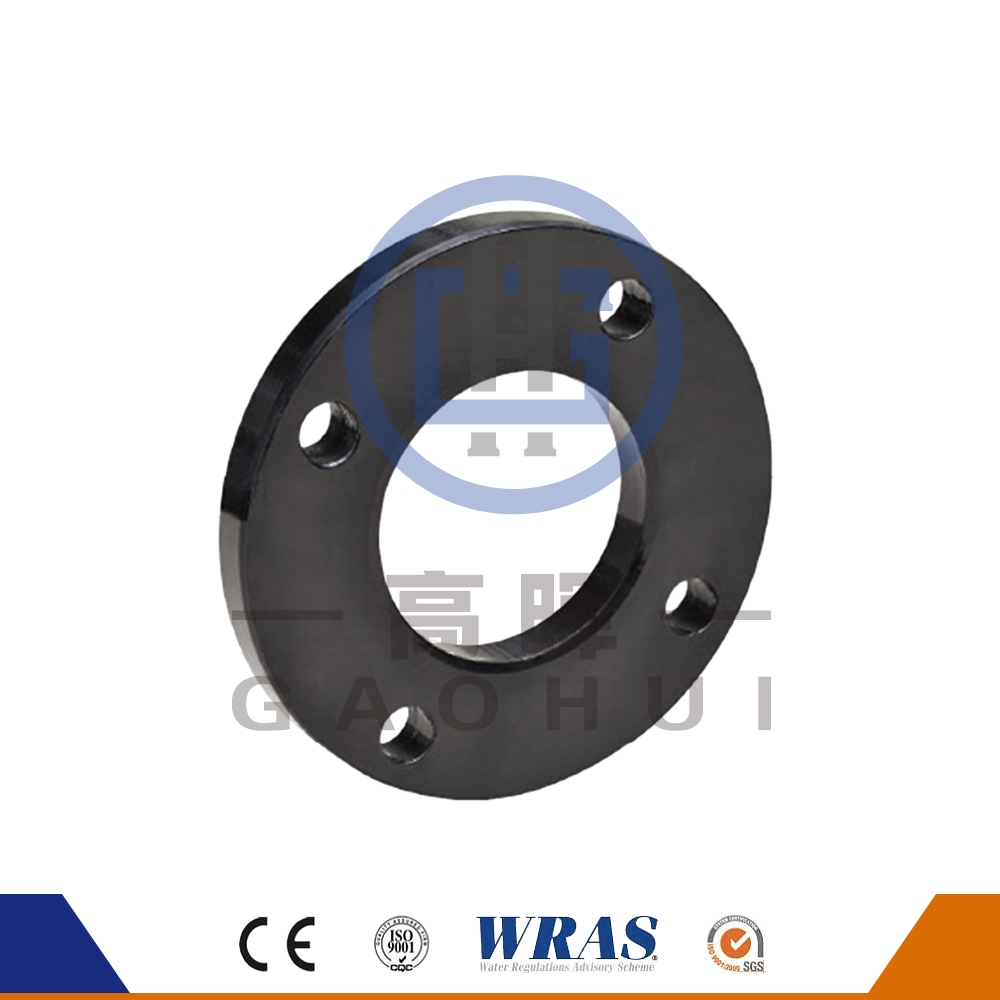
Plastic Pipes: Plastic pipes, which include materials like PVC (Polyvinyl Chloride), PEX (Cross-Linked Polyethylene), and HDPE (High-Density Polyethylene), have gained widespread popularity in recent years. HDPE pipes, in particular, are known for their strength, flexibility, and resistance to corrosion, making them ideal for both residential and industrial plumbing systems. They are typically used for water supply lines, drainage systems, and even gas pipelines. The fittings used in these systems are designed to connect and secure plastic pipes together, providing a leak-proof solution for homeowners.
Traditional Materials: Traditional materials, on the other hand, include metals like copper, steel, and cast iron. Copper has been the industry standard for decades due to its resistance to corrosion, although it’s more expensive and less flexible than plastic. Steel and cast iron are more commonly used in industrial and commercial settings, but they can be heavy and prone to rust, especially when exposed to water or moisture over time.
Cost-Effectiveness
One of the biggest reasons many homeowners and contractors are opting for plastic pipes over traditional materials is the cost. Plastic pipes, especially HDPE fittings, are far more affordable than metals like copper and steel.
Plastic Pipes:
- HDPE pipes, for instance, cost significantly less than copper pipes. The material itself is cheaper to manufacture and transport, and it’s easier to handle during installation.
- Installation costs for plastic pipes are generally lower because they require fewer tools and less labor. Additionally, their lightweight nature reduces shipping and handling fees.
- Plastic pipes also tend to have a longer lifespan, reducing the need for frequent repairs or replacements.
Traditional Materials:
- Copper pipes are notoriously expensive, both in terms of material and installation. Labor costs for installing copper pipes are generally higher because they require specialized skills like soldering.
- Steel and cast iron pipes are not only costly to purchase but also require a more intensive installation process. Both materials are heavy, and their installation often requires additional manpower and machinery.
Overall, plastic pipes are far more cost-effective, making them the preferred choice for many homeowners and contractors when it comes to both new construction and renovations.
Durability and Lifespan
When it comes to plumbing systems, durability and lifespan are crucial factors. You want pipes that will last for decades without needing constant repairs or replacements.
Plastic Pipes:
- HDPE Pipes are incredibly durable and have a lifespan of up to 50 to 100 years under proper conditions. Unlike metal pipes, HDPE is resistant to corrosion and does not rust over time.
- Plastic pipes are also immune to scale build-up, which can lead to clogging in metal pipes, particularly copper and steel. This means fewer blockages and less frequent cleaning or maintenance.
- HDPE pipes can withstand extreme temperatures, ranging from freezing cold to very high heat, making them suitable for both hot and cold water supply systems.
Traditional Materials:
- Copper pipes have a lifespan of 50 years or more, but they are susceptible to corrosion when exposed to certain types of water, particularly acidic or hard water.
- Steel and cast iron pipes can last several decades, but they tend to rust and corrode over time, especially in regions with high moisture levels or salty environments. Cast iron pipes, in particular, can become brittle and prone to cracking after many years of use.
- The high maintenance cost of repairing traditional materials like copper or cast iron, combined with the risk of leaks due to corrosion, makes them less appealing compared to plastic pipes.
In terms of durability, plastic pipes are clearly superior, offering a longer lifespan and less vulnerability to corrosion or rust.
Ease of Installation
The installation process of plumbing pipes is another important consideration for homeowners and contractors. The easier and quicker the installation, the less disruption to the home and the lower the cost.
Plastic Pipes:
- Plastic pipes, especially HDPE pipes, are much easier to install than metal pipes. They are lightweight, flexible, and can be easily cut to the required length without specialized tools.
- The fittings used to connect plastic pipes are also simple to work with, requiring fewer joint seals and welds. HDPE fittings are typically connected with compression fittings, which don’t require heat or soldering.
- The flexibility of plastic pipes allows for easier maneuvering around tight spaces, making them ideal for retrofitting existing plumbing systems.
Traditional Materials:
- Copper pipes require soldering to connect joints, which requires specialized knowledge and equipment. The installation process is more labor-intensive, and the risk of leaks during installation is higher if not done properly.
- Steel and cast iron pipes are much heavier, making them harder to maneuver and install. These materials also require welding or threading to connect sections, which takes more time and expertise.
- The installation process for traditional materials often involves more disruption to the home, as the pipes are more rigid and cannot bend easily around obstacles.
Plastic pipes, including HDPE, offer a far quicker, easier, and more flexible installation process, reducing both time and labor costs.
Environmental Impact
Sustainability and environmental responsibility are growing concerns for homeowners looking to make eco-friendly choices. The materials used in plumbing systems play a significant role in the environmental footprint of a home.
Plastic Pipes:
- Plastic pipes, particularly HDPE, are made from recyclable materials, making them a more sustainable choice. Once a plastic pipe reaches the end of its useful life, it can be recycled and repurposed.
- The production of plastic pipes generates fewer carbon emissions compared to metal pipes. Additionally, HDPE pipes are energy-efficient due to their light weight, which reduces the carbon footprint during transportation.
Traditional Materials:
- Copper and steel pipes require significant energy to produce, and the mining of these metals can have a significant environmental impact.
- Cast iron pipes, while durable, are heavier and require more energy to produce, contributing to higher carbon emissions.
- Although copper and steel can be recycled, the energy required to recycle metal is still greater than that required for plastic.
Plastic pipes, especially HDPE fittings, have a lower environmental impact both during production and disposal, making them a more sustainable option.
Resistance to Corrosion and Leaks
Leaks and pipe failure can cause significant damage to a home, leading to costly repairs and water wastage. The ability of pipes to resist corrosion plays a crucial role in ensuring long-term reliability.
Plastic Pipes:
- HDPE pipes are highly resistant to corrosion and chemical reactions, making them ideal for both residential and industrial plumbing systems. This resistance ensures that they remain leak-free for decades without the need for constant repairs.
- Plastic pipes are also resistant to scale buildup, which can lead to pipe blockages and leaks over time in traditional materials.
Traditional Materials:
- Copper pipes can corrode over time, especially in areas with acidic or hard water. Corrosion leads to weak spots, making copper pipes more prone to leaks.
- Steel and cast iron pipes rust and corrode, leading to leaks and the need for frequent maintenance and repairs.
Plastic pipes have a clear advantage in resisting corrosion and leaks, ensuring peace of mind for homeowners.