
 English
 русский
 عربى
عربىContent
When it comes to selecting the right fittings for your piping systems, durability is one of the most important factors to consider. Both butt fusion elbow bends and traditional elbow fittings are commonly used in a variety of industrial, commercial, and residential piping applications. However, these two types of fittings differ significantly in terms of installation, performance, and longevity. Understanding the key differences between them and their respective advantages is essential for making an informed decision about which option is best suited for your project.
What Is a Butt Fusion Elbow Bend?
A butt fusion elbow bend is a type of pipe fitting used in piping systems that are made from thermoplastic materials like HDPE (High-Density Polyethylene), PP (Polypropylene), or PVDF (Polyvinylidene Fluoride). The term "butt fusion" refers to the method of joining two pipes or fittings by heating the ends of the materials and then pressing them together under pressure. This creates a strong, seamless, and durable bond that ensures a leak-proof connection.
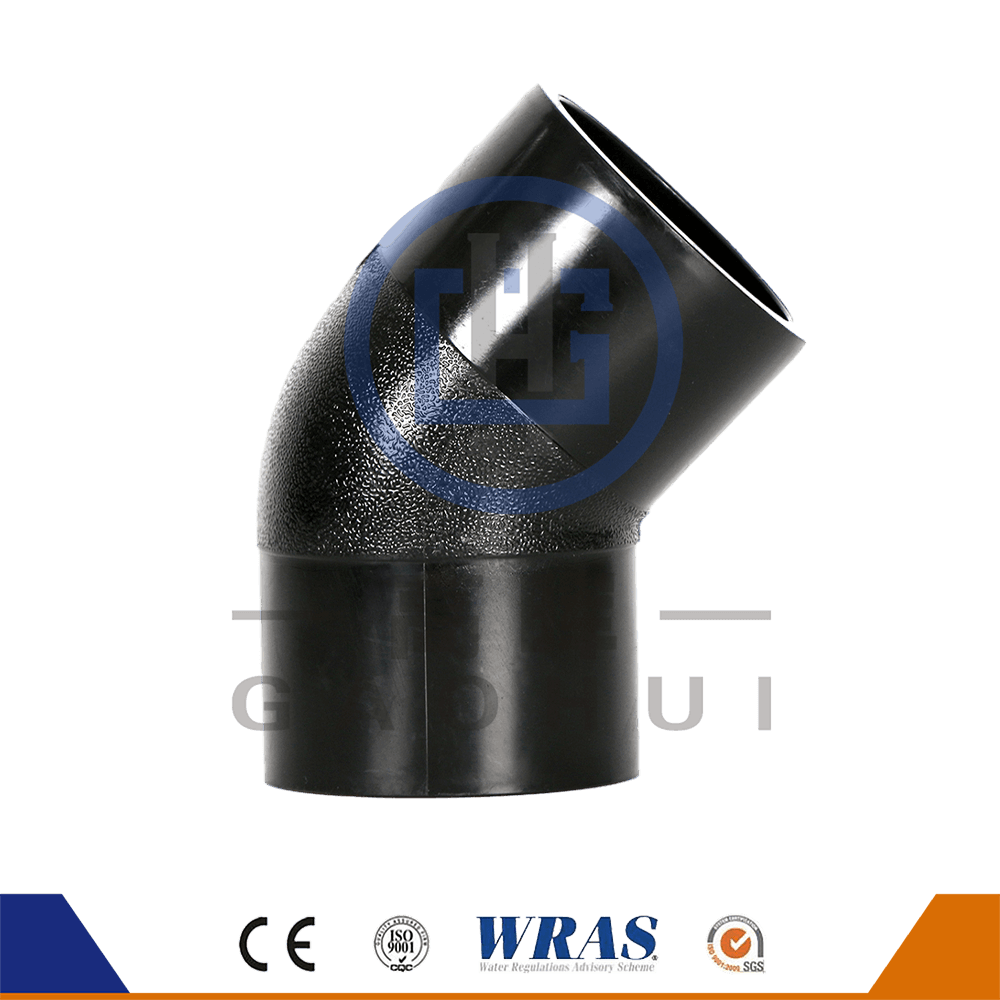
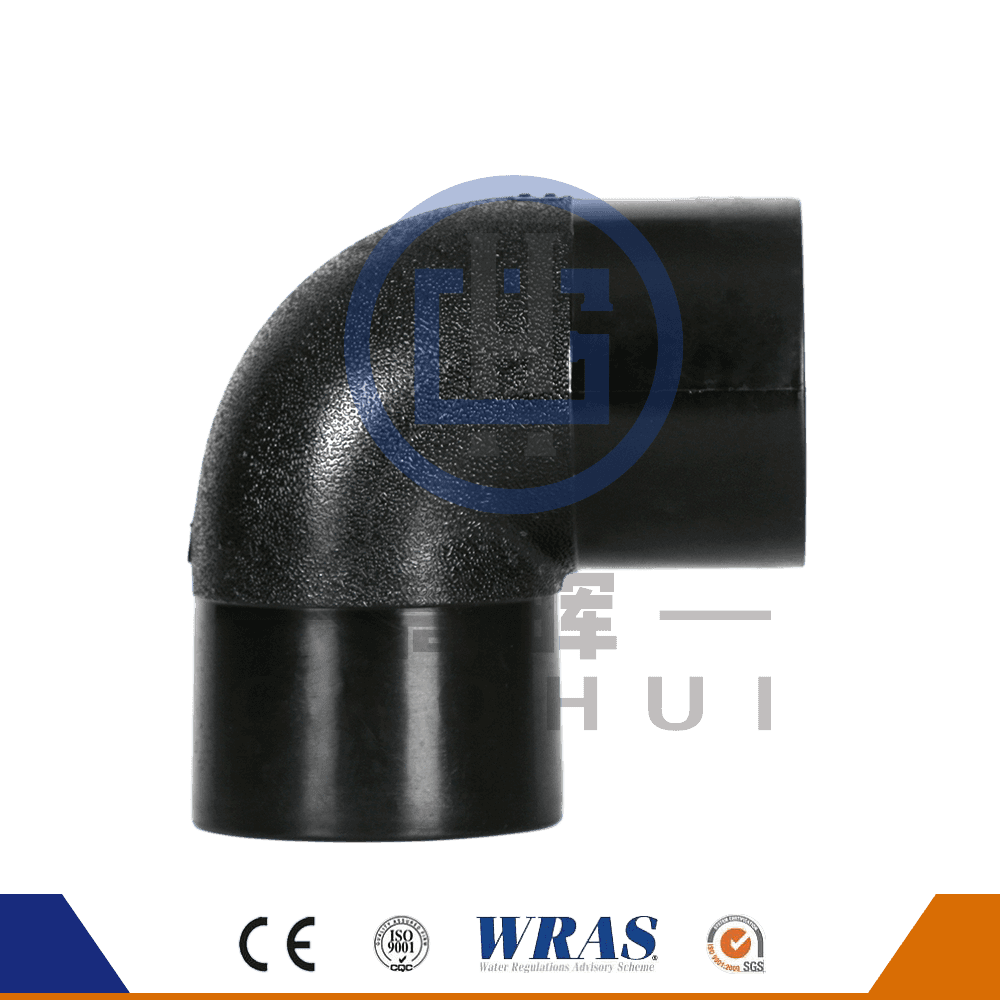
Butt fusion elbow bends are designed to allow pipes to change direction, typically at angles of 45°, 90°, or 180°. They are available in a range of sizes and can be used in a variety of industries, including water distribution, gas, oil, and chemical processing.
What Is a Traditional Elbow Fitting?
A traditional elbow fitting, on the other hand, is made from materials such as steel, copper, PVC (Polyvinyl Chloride), or brass. These fittings are typically manufactured through processes such as casting or forging and are available in various types, including threaded, compression, or flanged designs. Traditional elbow fittings are often used for plumbing, heating, and ventilation systems.
Unlike butt fusion elbow bends, traditional elbow fittings are joined to pipes using mechanical methods such as welding, threading, or soldering. These fittings are available in a range of angles, but their durability and performance depend heavily on the quality of the connection and the materials used.
Durability Comparison: Butt Fusion Elbow Bend vs. Traditional Elbow Fitting
Strength of the Joint
The joint strength of a piping system is one of the most critical factors affecting its durability. Butt fusion creates a molecular bond between the two materials, essentially fusing the pipes together to form a homogeneous structure. This means that the joint formed is just as strong, if not stronger, than the pipe itself. The seamless nature of butt fusion makes the connection more resistant to leaks and structural failure compared to traditional methods.
In contrast, traditional elbow fittings, especially those using threaded or welded connections, can suffer from potential weak spots at the joints. Threaded connections are prone to leakage over time due to vibration, expansion, and contraction. Similarly, welded joints, although strong, can be prone to cracking if not executed properly, especially under high pressure or temperature fluctuations.
Resistance to Corrosion and Environmental Factors
Corrosion is another significant concern when selecting fittings for long-term applications. Traditional elbow fittings made from metal materials such as steel or brass are particularly vulnerable to rust and corrosion, especially when exposed to moisture, high temperatures, or chemicals. While materials like PVC offer some resistance to corrosion, they may not provide the same strength as metal fittings, especially in industrial applications where high pressure and flow rates are common.
Butt fusion elbow bends, however, are typically made from materials like HDPE or PP, both of which are highly resistant to corrosion and environmental degradation. These materials are impervious to rust, UV radiation, and most chemicals, making them ideal for use in harsh environments. In fact, the resistance to corrosion offered by butt fusion materials can significantly extend the lifespan of the piping system, making it a preferred choice in industries such as chemical processing and water distribution.
Pressure and Temperature Tolerance
Both butt fusion elbow bends and traditional elbow fittings can handle high-pressure systems, but butt fusion fittings have a distinct advantage in this area. The seamless nature of the fusion process provides a uniform pressure distribution along the entire joint, making the connection more resistant to pressure surges. This feature is especially important in industries where high-pressure fluid transfer is required.
Furthermore, butt fusion elbow bends made from materials like HDPE can withstand a wide range of temperatures, from extremely cold to very hot environments, without losing their strength or integrity. Traditional elbow fittings, especially those made from metals, may become brittle or weaken when exposed to extreme temperature fluctuations.
Wear and Tear Resistance
Over time, all piping systems experience wear and tear due to factors such as abrasion, flow-induced erosion, and pressure fluctuations. Butt fusion elbow bends, especially those made from durable materials like HDPE, are highly resistant to wear and tear. The continuous, seamless design eliminates areas where material degradation can occur.
In comparison, traditional elbow fittings, particularly those with threaded connections or flanges, may suffer from wear and tear at the joint. Threaded connections can become loose over time, especially in high-vibration environments, leading to leaks and reduced system efficiency.
Installation and Maintenance
Ease of Installation
Butt fusion elbow bends require specialized equipment to melt and fuse the pipes together. This installation process can be more time-consuming and requires skilled personnel. However, once installed, butt fusion fittings require very little maintenance because the joints are permanent and do not rely on mechanical fastening methods.
Traditional elbow fittings, depending on the type, may be easier to install in certain situations. For example, threaded or compression elbow fittings can be installed quickly without the need for specialized equipment. However, these fittings often require periodic maintenance to ensure the joints remain secure, and they are more susceptible to leaks over time.
Maintenance and Longevity
While butt fusion elbow bends may require a more complex installation process, they are typically much easier to maintain in the long run. The seamless, leak-proof nature of the joints means that butt fusion systems generally do not require frequent inspection or maintenance. The longevity of these systems is often 50 years or more, provided the pipes and fittings are correctly installed and maintained.
Traditional elbow fittings, on the other hand, often require more frequent maintenance. For example, threaded fittings may need to be re-tightened periodically, while welded fittings may need to be inspected for cracks or weaknesses. The overall lifespan of traditional elbow fittings is generally shorter compared to butt fusion systems.
Cost Considerations
When choosing between butt fusion elbow bends and traditional elbow fittings, cost is an important factor. Butt fusion fittings can be more expensive upfront due to the specialized equipment required for installation and the higher cost of materials such as HDPE or PP. However, these higher upfront costs are often offset by the longer lifespan and lower maintenance requirements of the system, making butt fusion fittings a more cost-effective solution in the long run.
Traditional elbow fittings, while generally less expensive initially, may result in higher maintenance costs over time. The need for frequent inspections, repairs, and potential replacements can add up, especially in high-demand applications.