
 English
 русский
 عربى
عربىContent
- 1 What Is Polypropylene and Why Does It Matter for Fittings?
- 2 How PP Compression Fittings Work
- 3 Common Types of PP Compression Fittings
- 4 Pressure and Temperature Ratings to Know
- 5 Where PP Compression Fittings Are Used
- 6 Step-by-Step: How to Install a PP Compression Fitting
- 7 PP Compression Fittings vs. Other Fitting Types
- 8 Key Standards and Certifications to Look For
- 9 Common Problems and How to Avoid Them
PP compression fittings are pipe connectors made from polypropylene (PP) that join pipes or tubing without heat, adhesive, or welding — simply by mechanical compression. When the fitting nut is tightened, an internal ring (ferrule or O-ring) compresses against the pipe wall to create a leak-proof seal. They are widely used in cold and hot water supply lines, chemical handling systems, and agricultural irrigation due to their corrosion resistance, lightweight nature, and ease of installation.
In short: if you need a fast, tool-light, reusable, and chemically resistant pipe connection — PP compression fittings are one of the most practical solutions available today.
What Is Polypropylene and Why Does It Matter for Fittings?
Polypropylene is a thermoplastic polymer known for its excellent chemical resistance, low density, and ability to handle both cold and moderately hot fluids. For compression fittings specifically, the material properties translate into several real-world advantages:
- Operating temperature range: Typically –10°C to +95°C (14°F to 203°F), depending on grade and pressure
- Chemical resistance: Resistant to acids, alkalis, alcohols, and many solvents — unlike brass or copper fittings
- Weight: PP is roughly 5× lighter than brass equivalents, reducing installation effort
- Non-toxic grades: Food-grade and drinking-water-safe PP variants (meeting NSF/ANSI 61 or WRAS standards) are commonly available
- Cost: PP fittings typically cost 30–60% less than equivalent brass compression fittings
PP-R (random copolymer polypropylene) and PP-H (homopolymer) are the two common grades. PP-R offers slightly better flexibility and impact resistance at low temperatures, while PP-H performs better in higher-heat or more chemically aggressive environments.
How PP Compression Fittings Work
The mechanical principle is straightforward. Each PP compression fitting consists of three main components:
- Fitting body — The main PP housing with inlet/outlet ports
- Compression nut — A threaded PP or metal nut that slides over the pipe
- Ferrule or O-ring — An EPDM or NBR sealing ring that deforms under compression to grip and seal the pipe
When the nut is hand-tightened (and often given an additional ¼ to ½ turn with a wrench), the ferrule is squeezed radially inward against the pipe. This creates a dual seal: the ferrule bites into the outer pipe wall to prevent pull-out, and the O-ring prevents fluid from bypassing the joint. No solvent, flame, or special tooling is required — a standard adjustable wrench is sufficient for most installations.
Unlike push-fit fittings, compression fittings are also fully demountable: you can unscrew the nut, inspect or replace the seal, and reassemble — a key advantage in maintenance-heavy or experimental installations.
Common Types of PP Compression Fittings
PP compression fittings come in a wide range of configurations to handle different pipe routing and connection needs. The most commonly encountered types include:
| Type | Description | Typical Use |
|---|---|---|
| Straight Coupling | Joins two pipes of the same or different diameters in a straight line | Pipe extensions, repairs |
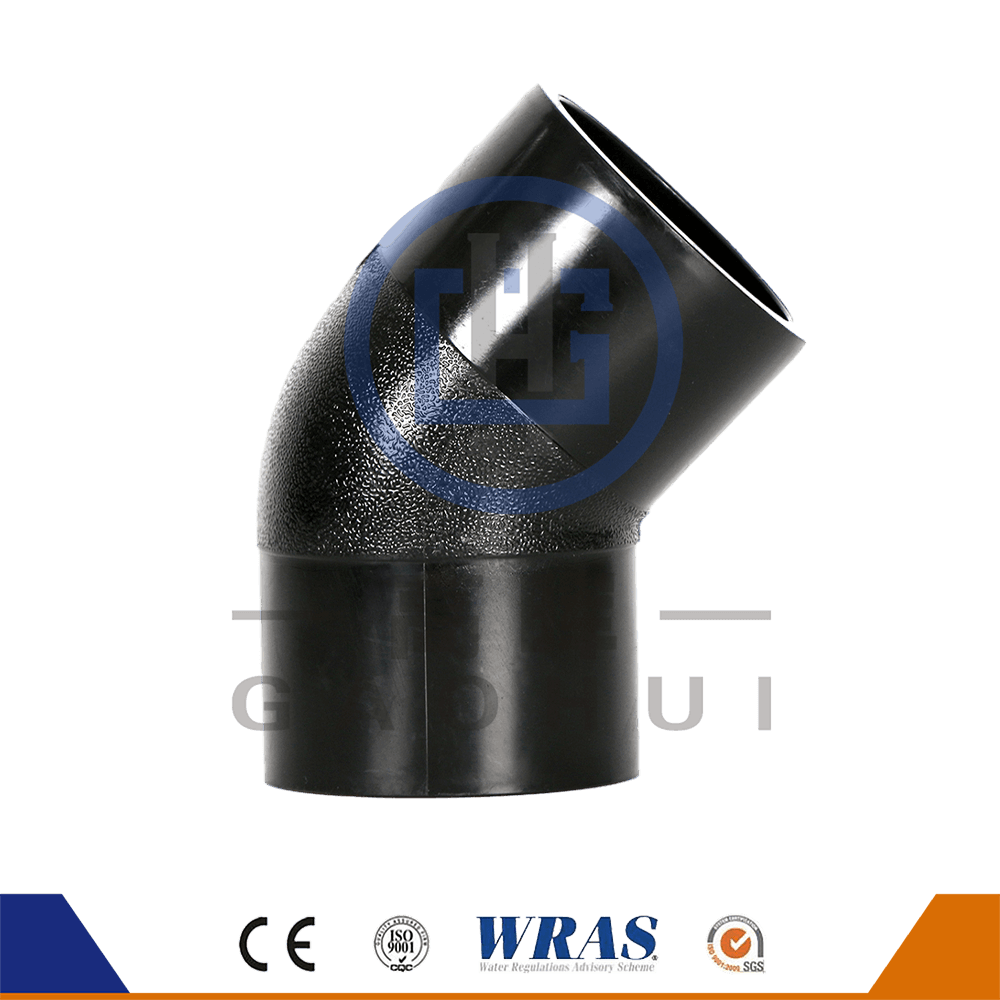
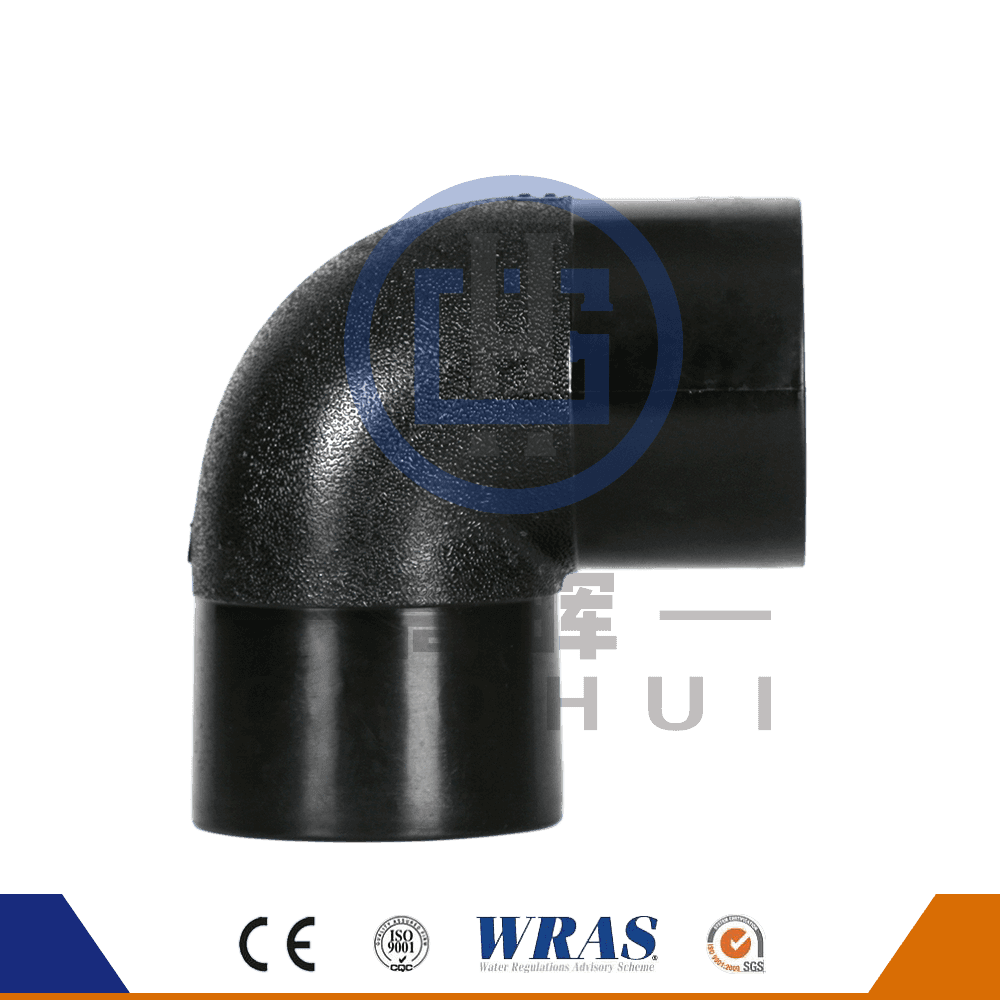
| Elbow (90° / 45°) | Changes pipe direction at a fixed angle | Corner routing in tight spaces |
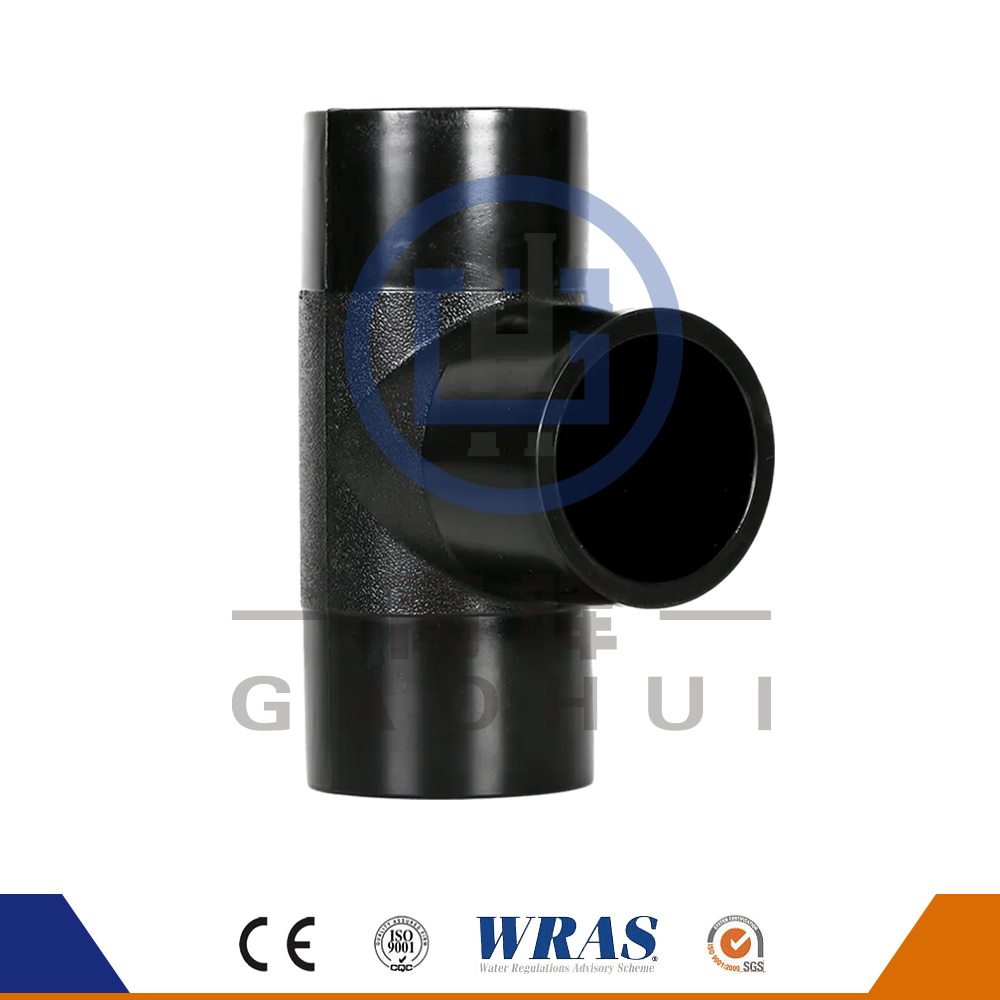
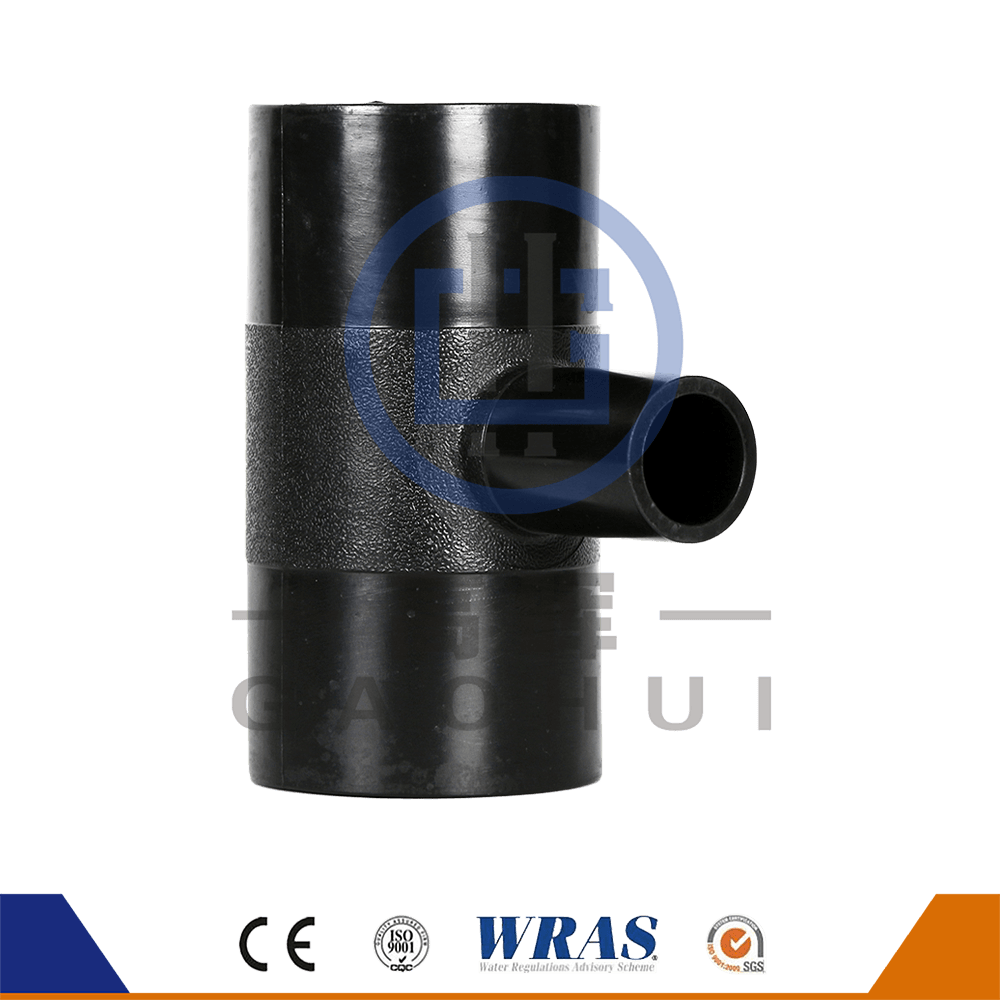
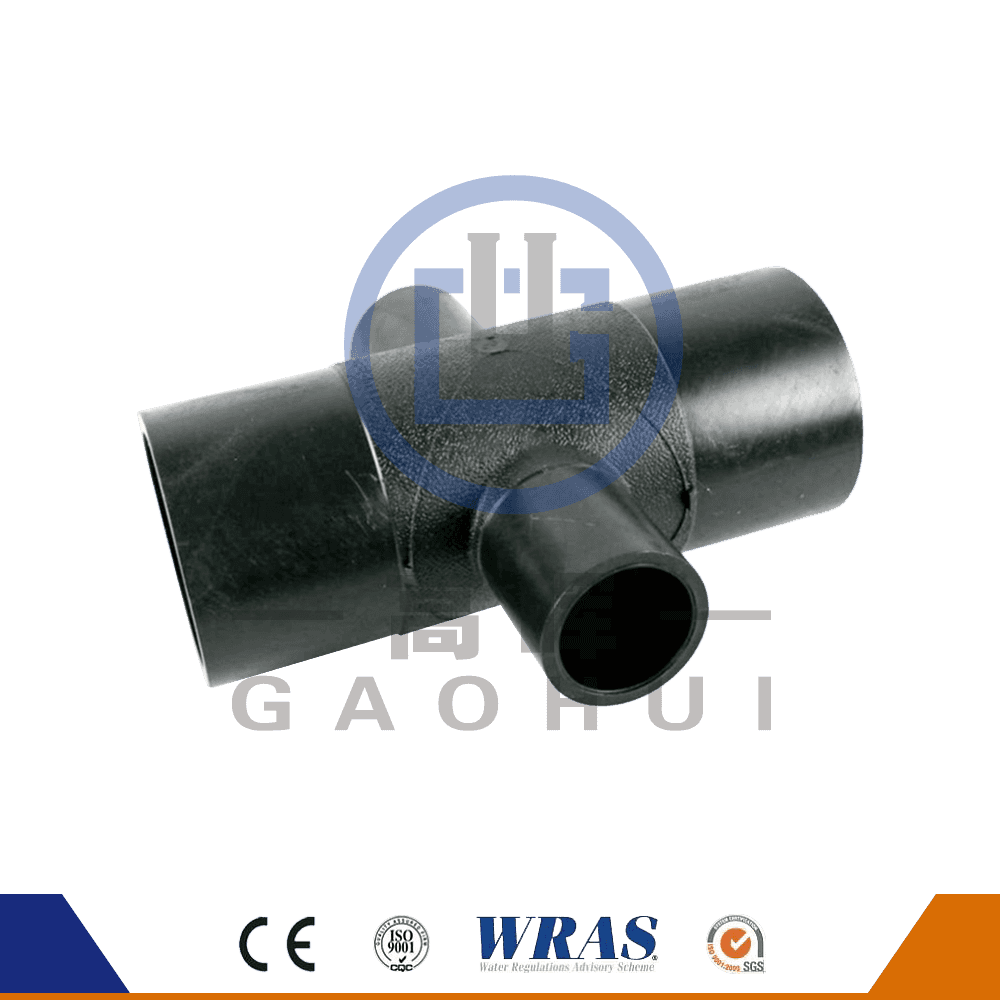
| Tee | Splits one line into two (equal or reducing) | Branch supply lines |
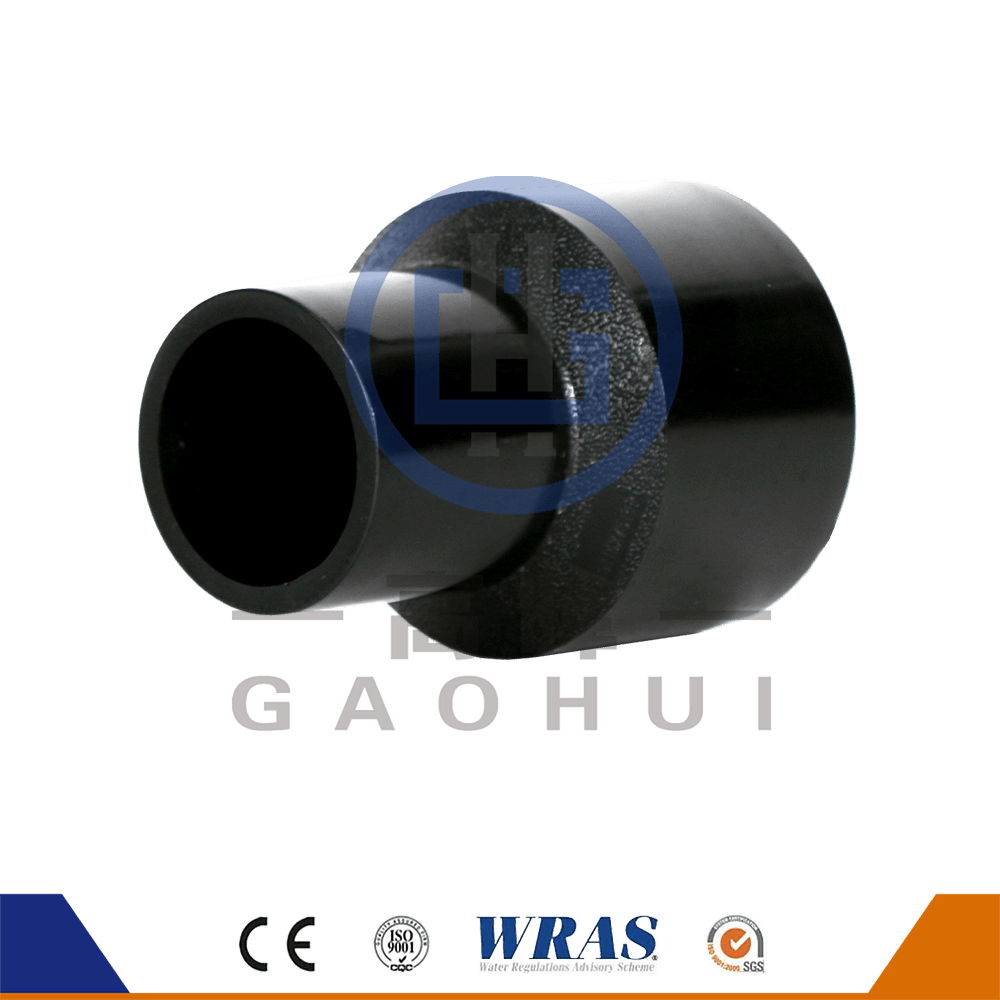
| Reducer / Reducer Coupling | Connects pipes of two different diameters | Transitioning between pipe sizes |
| Male/Female Adapter | Connects compression pipe to threaded (BSP/NPT) fittings | Connecting to valves, pumps, meters |
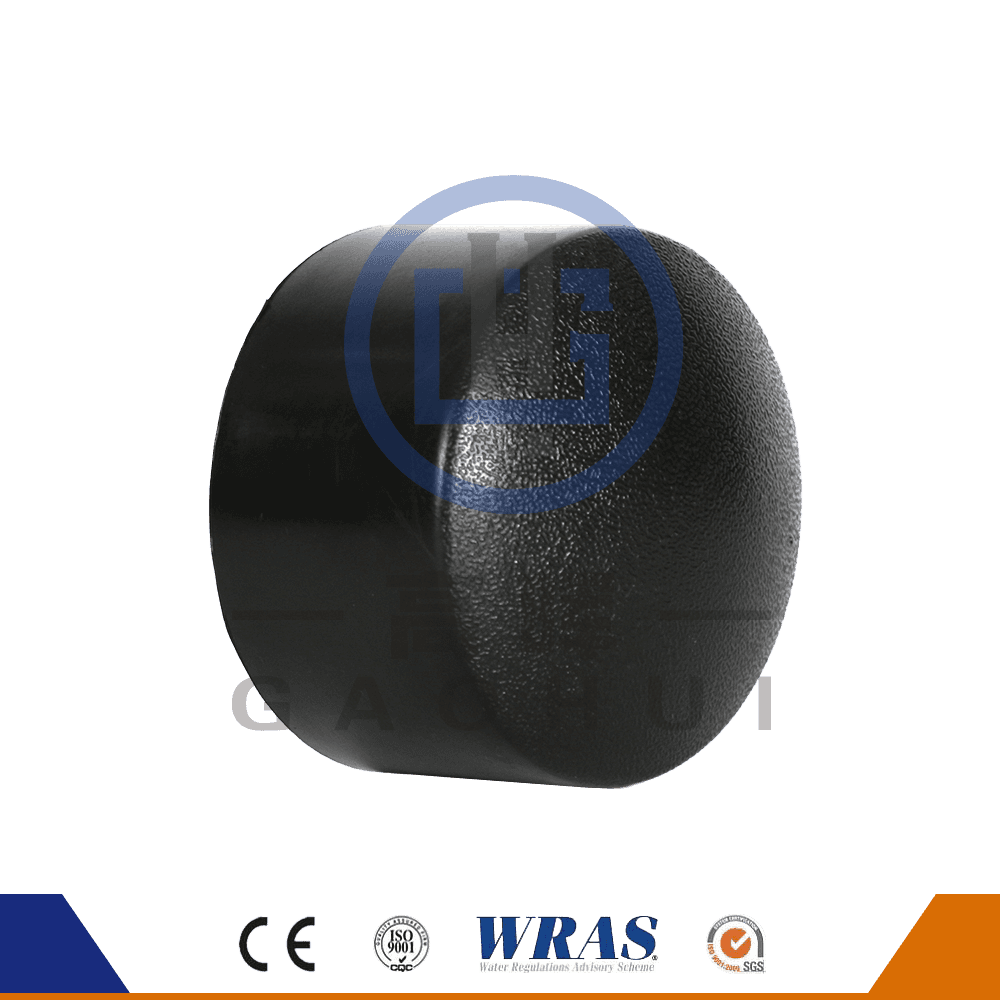
| End Cap | Seals the open end of a pipe | Capping unused ports or line ends |
| Union | Three-part fitting allowing full disconnection without cutting | Maintenance-accessible joints |
Many manufacturers also offer metric and imperial size ranges — typically from 16 mm to 110 mm (or ½" to 4") — covering everything from small domestic water lines to larger agricultural mains.
Pressure and Temperature Ratings to Know
Understanding the rated limits of PP compression fittings is critical to safe system design. Ratings vary by manufacturer and fitting size, but the following benchmarks are representative of quality PP compression fittings:
- Maximum working pressure: Typically 10–16 bar (145–232 psi) at 20°C for standard PP fittings
- At 60°C: Rated pressure drops to around 6–8 bar (87–116 psi) — always derate for elevated temperatures
- At 95°C: Pressure rating may fall to 3–4 bar (43–58 psi) — verify with manufacturer datasheets
- UV resistance: Standard PP degrades under prolonged UV exposure; carbon-black or UV-stabilized grades should be used for outdoor installations
For hot water systems above 60°C or high-pressure industrial lines above 16 bar, PP compression fittings should be replaced by PP-R heat-fusion fittings or metal alternatives such as stainless steel compression fittings.
Where PP Compression Fittings Are Used
PP compression fittings appear across a remarkably broad range of industries and installation types:
Domestic Plumbing and Water Supply
In residential plumbing, PP compression fittings are commonly used for cold and warm water distribution pipes (up to 60°C). They are particularly popular in retrofit and repair work because no soldering or heat gun is needed, reducing fire risk and installation time. A skilled plumber can typically complete a compression joint in under 2 minutes.
Agricultural Irrigation Systems
Irrigation networks rely heavily on PP compression fittings because of their resistance to fertilizers, soil moisture, and UV (when stabilized). Drip and sprinkler systems with pipe diameters from 16 mm to 63 mm routinely use PP compression elbows, tees, and reducers. The fittings can be assembled in the field with no power tools, which is a decisive advantage in remote agricultural areas.
Chemical and Industrial Process Piping
Laboratories, water treatment plants, and chemical processing facilities use PP compression fittings where fluid contact with metals would cause corrosion or contamination. PP is compatible with dilute acids (e.g., up to 30% sulfuric acid), dilute alkalis, and most aqueous salt solutions — making it a go-to for dosing lines, drainage, and sampling connections.
Swimming Pools and Water Treatment
Chlorinated water and chemical dosing lines in pool systems are ideal for PP fittings, which resist chlorine, ozone, and common pool treatment chemicals far better than copper or PVC in repeated chemical exposure scenarios.
Step-by-Step: How to Install a PP Compression Fitting
Correct installation is the single biggest factor in leak-free performance. Follow these steps for a reliable joint:
- Cut the pipe cleanly and squarely using a pipe cutter or fine-tooth saw. Angled or rough cuts prevent the seal from seating properly.
- Deburr the pipe end inside and out using a deburring tool or fine sandpaper. Sharp edges damage the O-ring or ferrule on insertion.
- Slide the compression nut and then the ferrule/O-ring onto the pipe in the correct order before inserting the pipe into the fitting body.
- Insert the pipe fully into the fitting body until it contacts the internal stop. Mark the insertion depth with a marker beforehand if you want visual confirmation.
- Hand-tighten the nut until resistance is felt, then use a wrench to turn it an additional ¼ to ½ turn. Do not overtighten — PP threads can crack under excess torque.
- Pressure-test the joint before burying or concealing it. Apply working pressure for at least 15 minutes and inspect for weeping or drips.
A common installation mistake is omitting the ferrule or inserting it backwards. Always refer to the manufacturer's assembly diagram — most quality fittings include this on the packaging or datasheet.
PP Compression Fittings vs. Other Fitting Types
Choosing between PP compression and alternative fitting technologies depends on application requirements. Here's a direct comparison:
| Feature | PP Compression | PP-R Heat Fusion | Brass Compression | PVC Push-Fit |
|---|---|---|---|---|
| Tools needed | Wrench only | Fusion welder | Wrench only | None |
| Max temp | ~95°C | ~95°C | ~110°C | ~60°C |
| Chemical resistance | Excellent | Excellent | Moderate | Good |
| Demountable | Yes | No | Yes | Partial |
| Relative cost | Low | Low–Medium | Medium–High | Very Low |
| Pressure rating | Up to 16 bar | Up to 20 bar | Up to 25 bar | Up to 10 bar |
PP compression fittings win on ease of installation, chemical compatibility, and reworkability. PP-R heat-fusion fittings provide a stronger, fully monolithic joint best suited for permanent installations in walls or underground. Brass remains the benchmark for high-temperature or high-pressure applications where toolless installation is not a priority.
Key Standards and Certifications to Look For
When purchasing PP compression fittings for potable water, food processing, or regulated industries, verify that the fittings carry relevant certifications:
- NSF/ANSI 61 (USA) — Confirms the fitting material does not leach harmful levels of contaminants into drinking water
- WRAS approval (UK/Europe) — Water Regulations Advisory Scheme endorsement for use in potable water systems
- EN 1254-3 (Europe) — European standard specifically for compression fittings in copper and plastic pipe systems
- ISO 15874 — International standard for PP piping systems for hot and cold water installations
- CE marking (European construction products regulation) — Confirms conformity with EU construction product standards
Uncertified fittings sold at very low prices may use recycled or blended PP with inconsistent mechanical properties. Always request a material certificate or datasheet from the supplier when sourcing fittings for critical infrastructure.
Common Problems and How to Avoid Them
Despite their simplicity, PP compression fittings can fail if misapplied or installed incorrectly. The most frequent issues and their solutions:
Leaking at the Joint
Almost always caused by an insufficient insertion depth, a damaged O-ring, or an out-of-round pipe end. Disassemble, inspect the seal, re-cut the pipe end squarely, and reassemble. Replacing the O-ring costs pennies and solves most leak issues.
Cracked Nut or Fitting Body
PP is not as forgiving as brass when overtightened. A joint that is hand-tight plus ½ turn is sufficient for pipes up to 40 mm; going further risks cracking the nut flange. If cracks appear, replace the fitting — do not attempt to seal cracks with tape or sealant.
UV Degradation in Outdoor Installations
Standard PP becomes brittle after 12–24 months of direct sunlight exposure. Use UV-stabilized black PP fittings for outdoor or above-ground irrigation applications, or protect the pipework with lagging or conduit.
Incompatibility with Certain Chemicals
PP is not resistant to aromatic hydrocarbons (e.g., xylene, toluene), concentrated oxidizing acids, or chlorinated solvents. Always cross-check the fluid's chemical compatibility against the manufacturer's resistance chart before specifying PP fittings for chemical lines.