
 English
 русский
 عربى
عربىContent
- 1 The Material Science Behind HDPE
- 2 HDPE Pipe: Pressure Ratings, Grades, and Standards
- 3 HDPE Pipe Fittings: Types and Connection Methods
- 4 HDPE Fittings vs. Fittings in Other Materials
- 5 HDPE Tube: How It Differs From HDPE Pipe
- 6 Key Applications of HDPE Pipe and Fittings by Industry
- 7 Installation Considerations for HDPE Pipe and Fittings
HDPE stands for High-Density Polyethylene, a thermoplastic polymer made from petroleum-derived ethylene monomers polymerized under controlled conditions to produce long, tightly packed molecular chains. This dense molecular structure is exactly what gives HDPE its defining characteristics: high strength-to-density ratio, excellent chemical resistance, and the flexibility to be formed into pipes, fittings, tubes, and countless other products. In piping systems specifically, HDPE has become one of the most widely specified materials in water distribution, gas transmission, industrial drainage, and agricultural irrigation worldwide.
The Material Science Behind HDPE
HDPE belongs to the polyethylene family, which is categorized by density. Its density range of 0.941–0.965 g/cm³ distinguishes it from low-density polyethylene (LDPE, 0.910–0.940 g/cm³) and medium-density polyethylene (MDPE). The higher density results from fewer branching points along the polymer chains, allowing the chains to pack more tightly together.
This tight packing delivers a measurable set of physical properties that make HDPE suitable for demanding piping applications:
- Tensile strength: 21–37 MPa, sufficient for pressure-rated pipe applications
- Flexural modulus: 800–1,600 MPa — stiff enough to hold shape, yet flexible enough to resist cracking under ground movement
- Impact resistance: Maintains toughness down to –40°C (–40°F)
- Chemical resistance: Resistant to most acids, alkalis, alcohols, and hydrocarbons
- Continuous service temperature: Up to approximately 60°C (140°F); short-term up to 80°C (176°F)
HDPE is also non-toxic, tasteless, and odorless in its pure form, which is why it carries NSF/ANSI 61 certification for potable water contact in pipe and fitting applications.
HDPE Pipe: Pressure Ratings, Grades, and Standards
HDPE pipe is manufactured in a range of grades, each identified by a Minimum Required Strength (MRS) rating. The most common grades used in pressure piping are PE80 and PE100, where the number refers to the long-term hydrostatic strength in bar at 20°C over 50 years.
| Grade | MRS (MPa) | Typical SDR Range | Common Application |
|---|---|---|---|
| PE63 | 6.3 | SDR 11–17 | Low-pressure drainage, irrigation |
| PE80 | 8.0 | SDR 9–17 | Water mains, gas distribution |
| PE100 | 10.0 | SDR 7.4–17 | High-pressure water, gas, industrial |
| PE100-RC | 10.0+ | SDR 9–11 | Trenchless/directional drilling |
The Standard Dimension Ratio (SDR) defines the relationship between the pipe's outside diameter and wall thickness. A lower SDR number means a thicker wall and higher pressure rating. For example, PE100 pipe at SDR 11 carries a maximum operating pressure (MOP) of 16 bar at 20°C — suitable for most municipal water distribution networks.
Key international standards governing HDPE pipe include ISO 4427 (water supply), ISO 4437 (gas supply), and ASTM D3035 and F714 (used widely in North America). Pipe diameters range from as small as 16 mm up to 2,000 mm or larger for large-diameter infrastructure projects.
HDPE Pipe Fittings: Types and Connection Methods
HDPE pipe fittings are manufactured to match the same PE grades and pressure classes as the pipe they connect. Using mismatched grades — for example, connecting PE80 fittings to PE100 pipe in a high-pressure system — creates a weak point and is explicitly prohibited by most installation standards.
Common HDPE Fitting Types
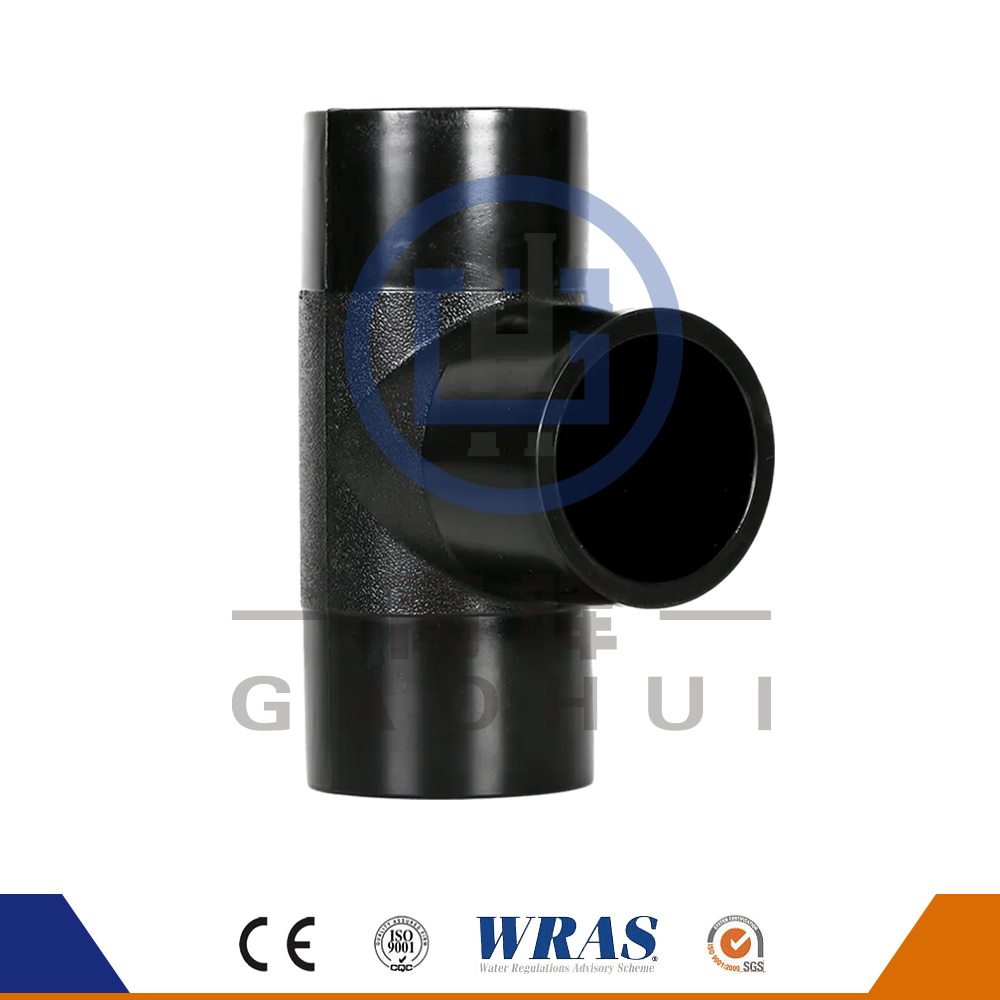
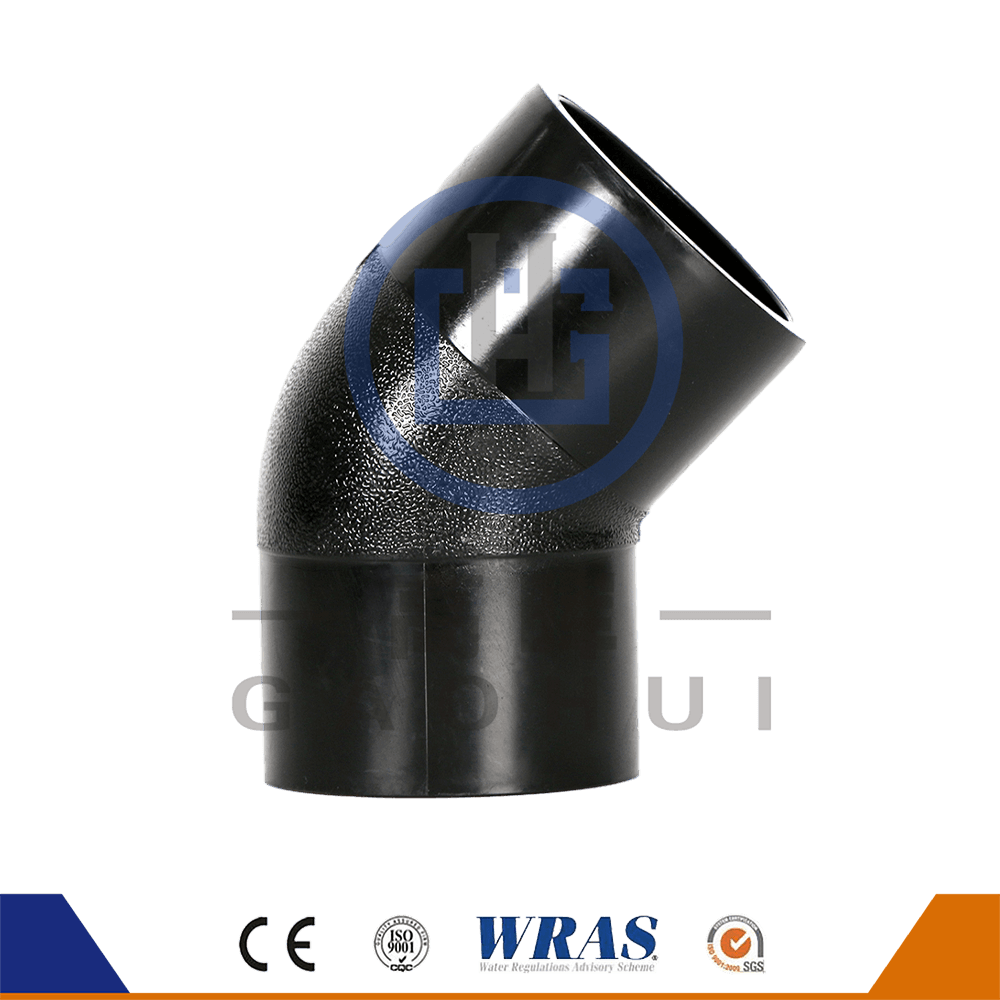
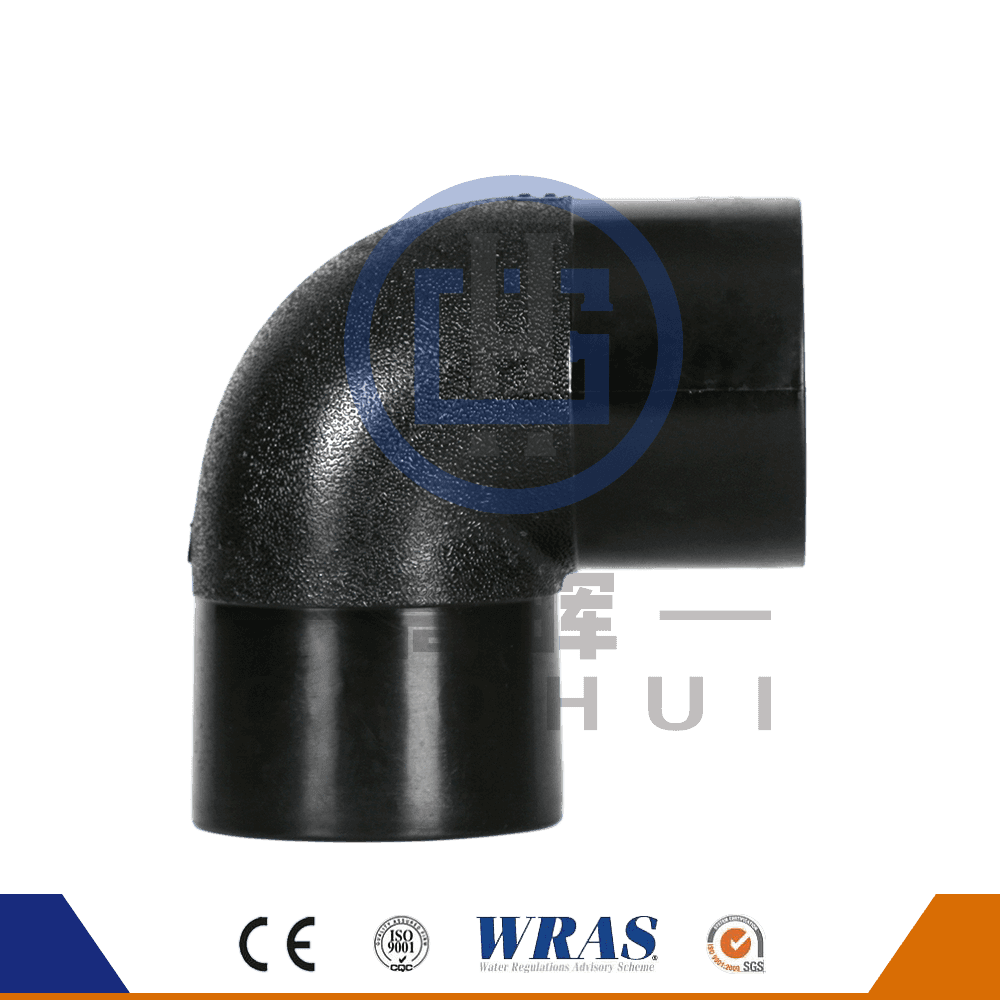
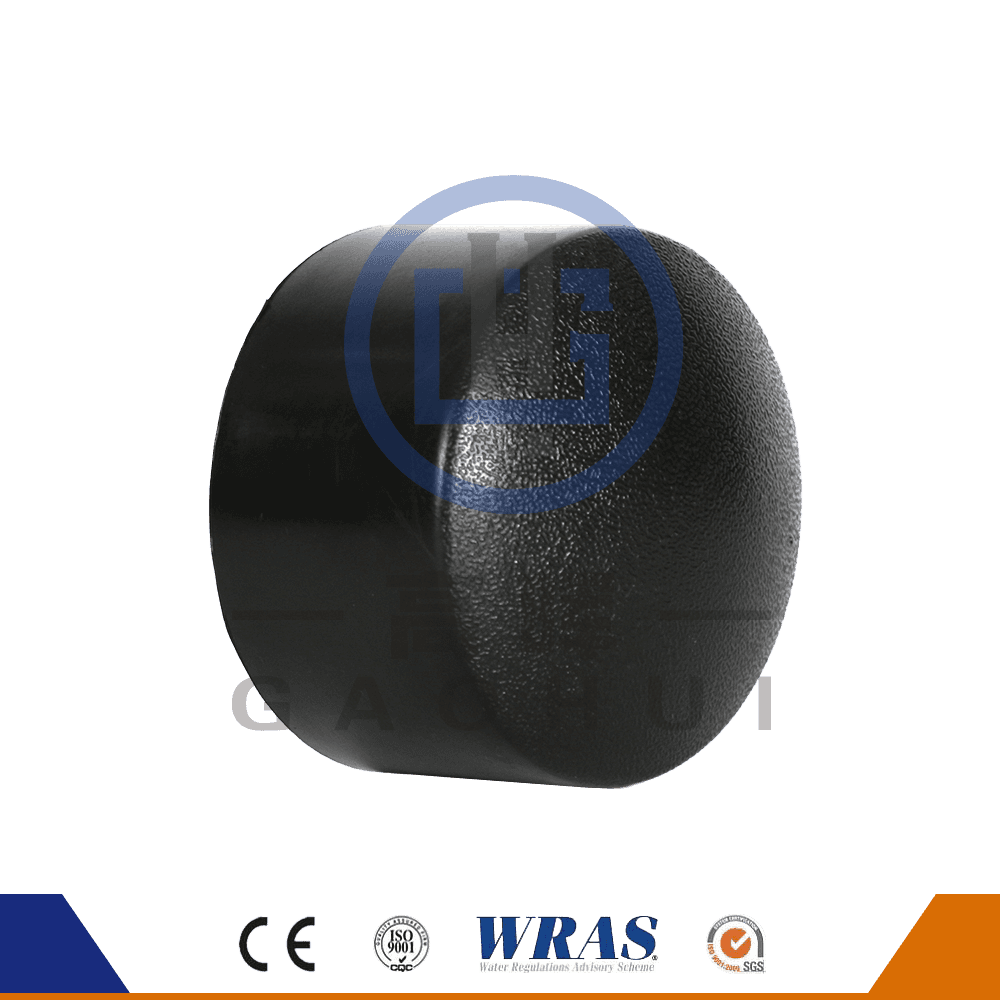
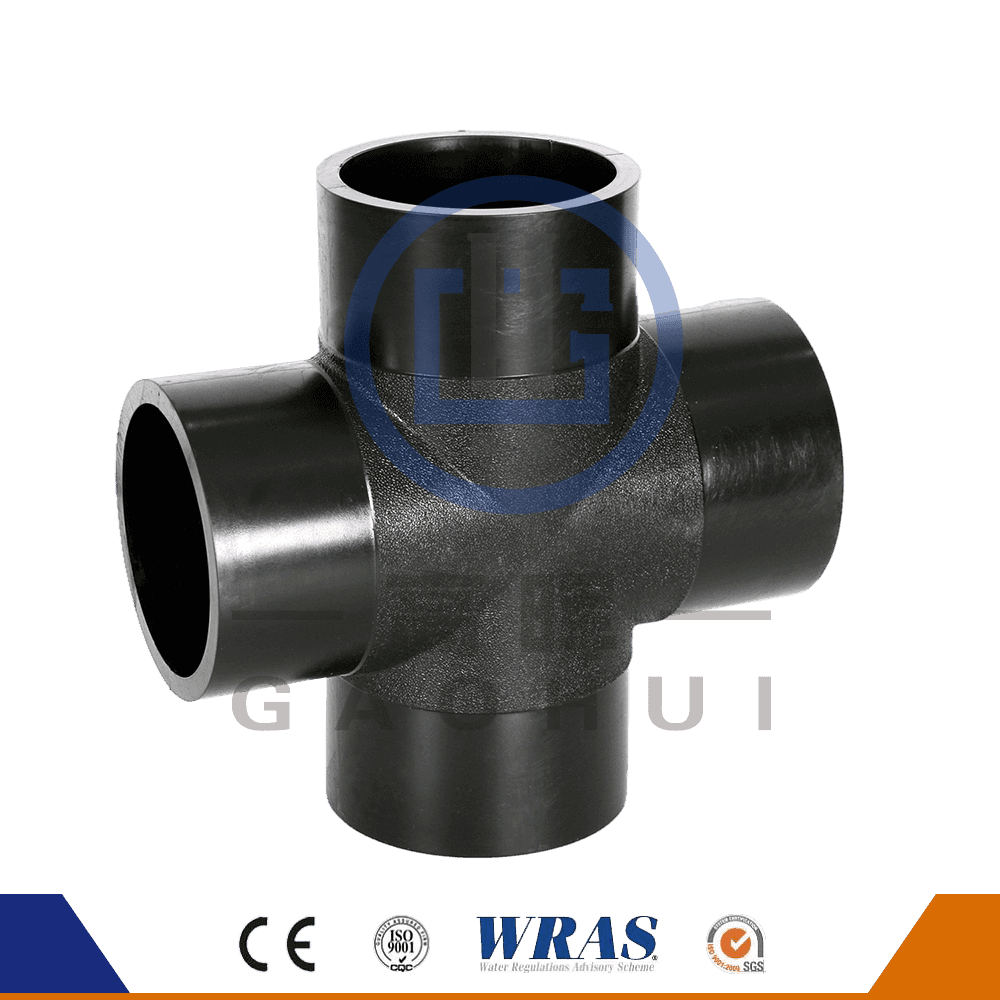
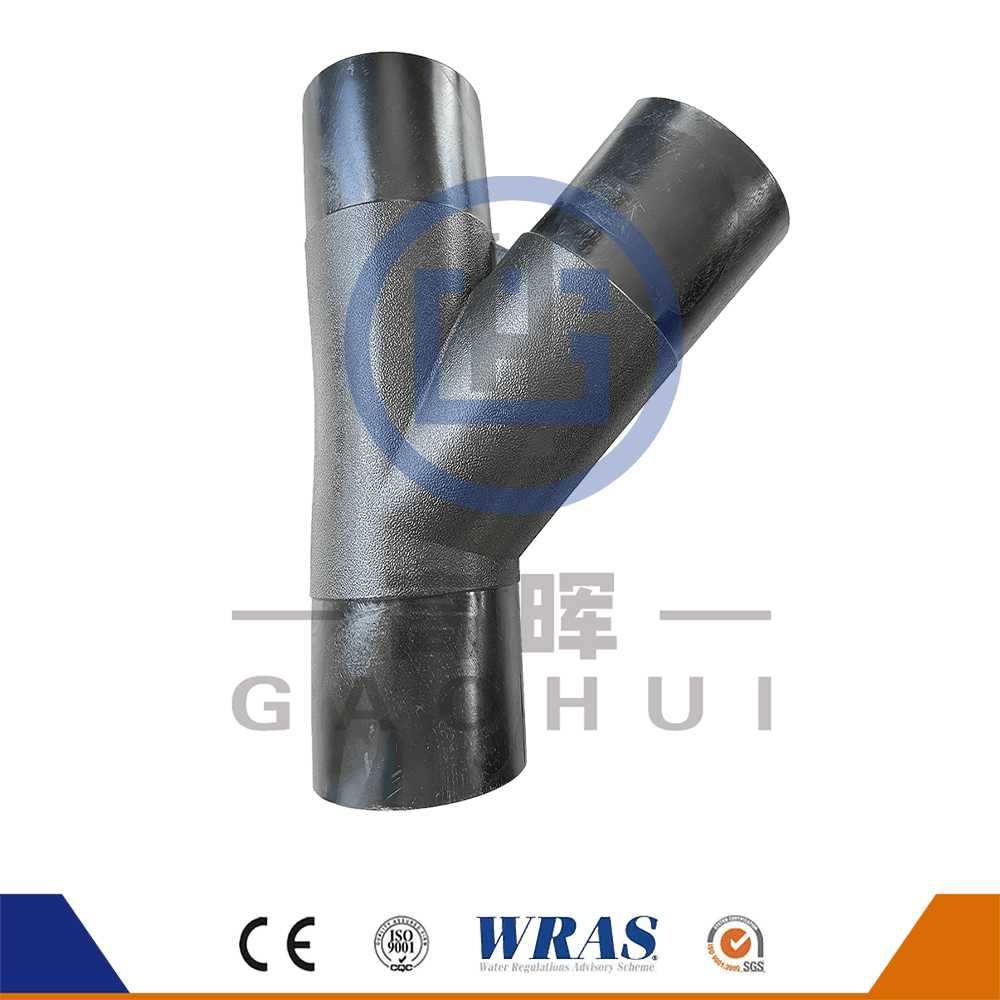
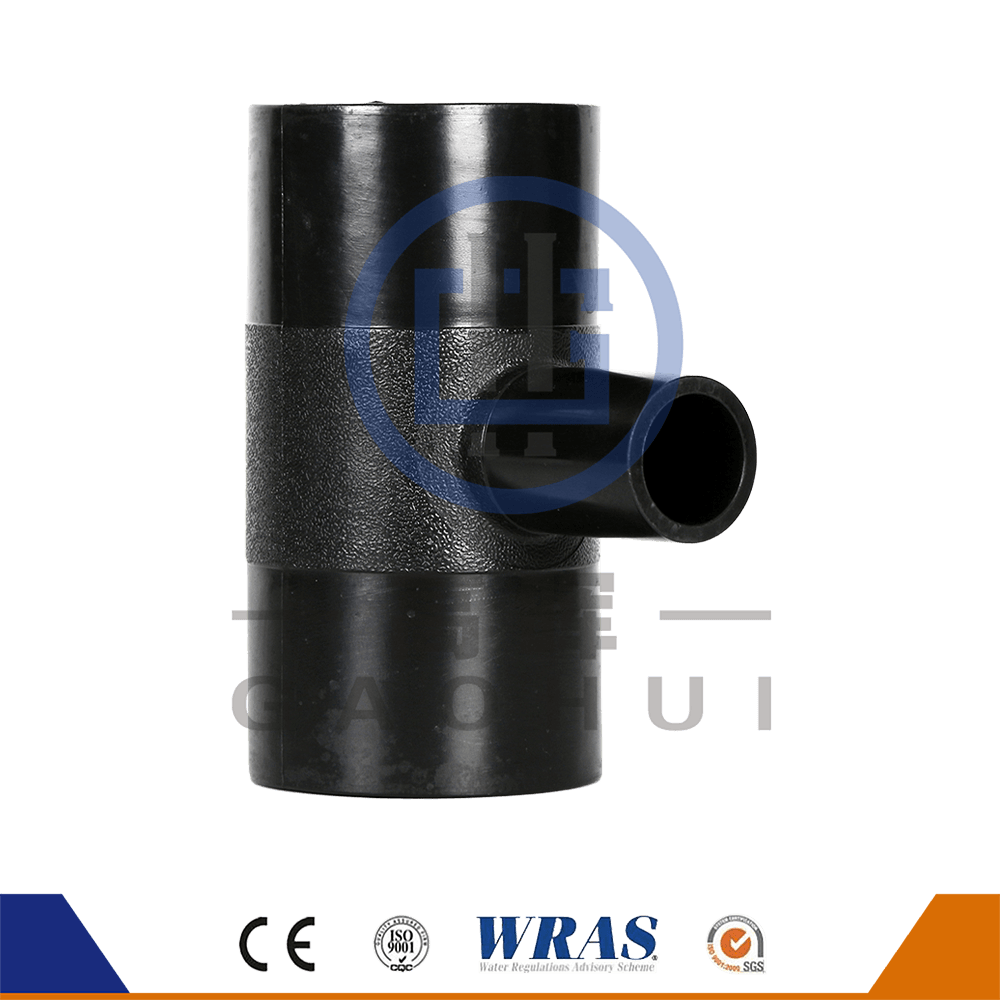
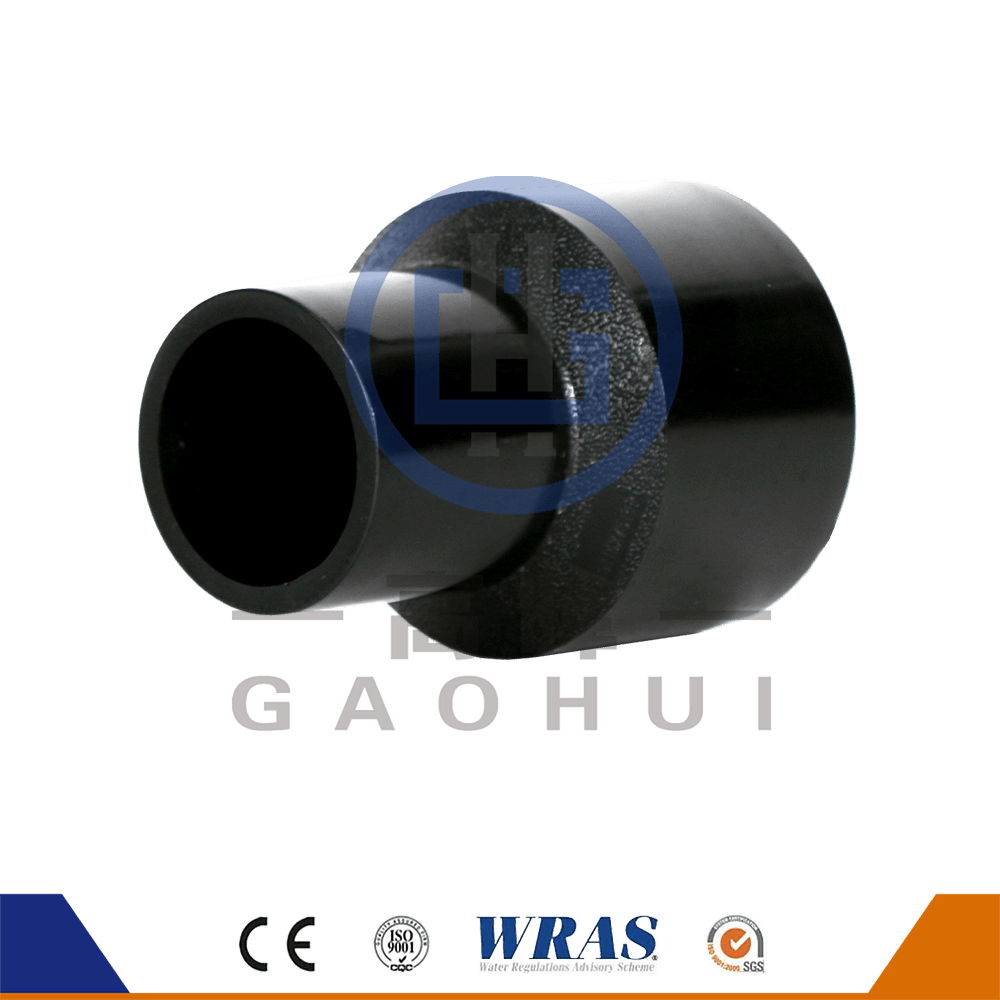
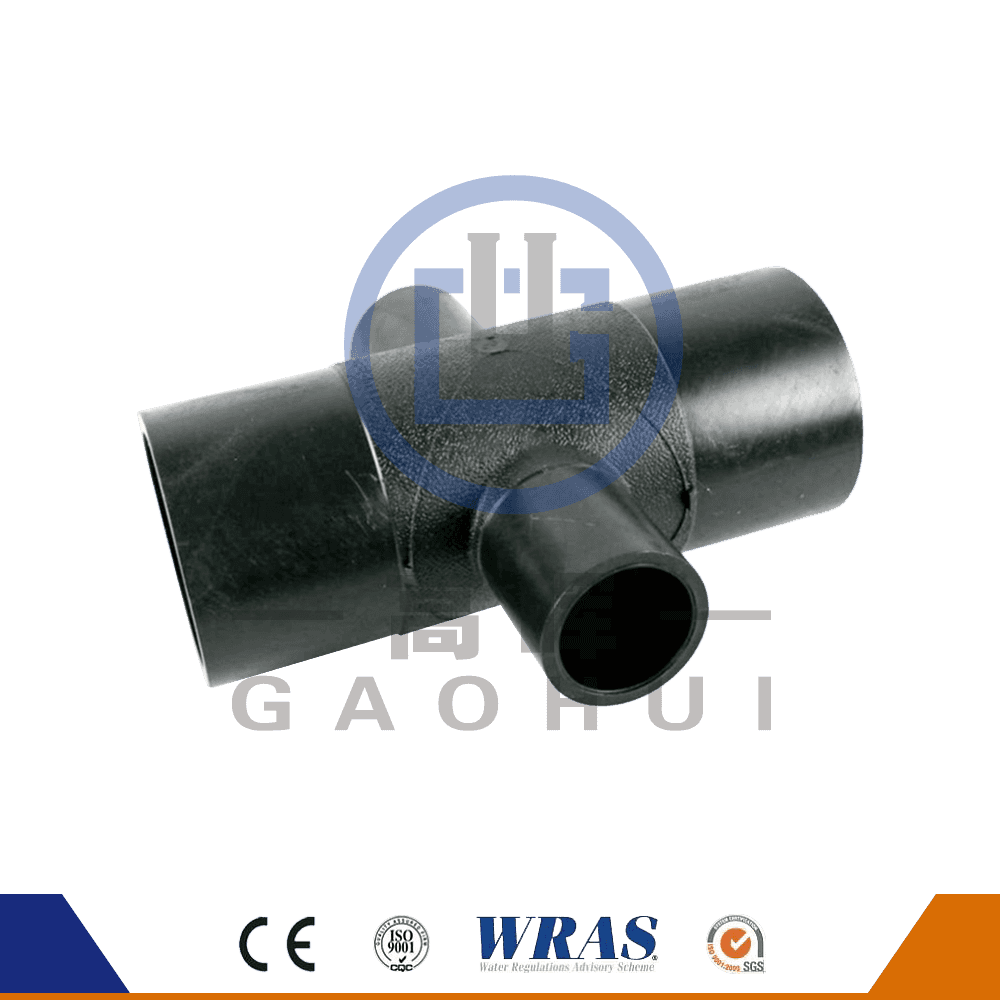
- Butt fusion fittings: Elbows, tees, reducers, and end caps joined by heat fusion — produces a joint as strong as the pipe itself
- Electrofusion fittings: Contain embedded resistance wire; electric current melts the interface for a leak-free joint in confined spaces or trenchless installations
- Compression fittings: Mechanical connection using a threaded nut and grip ring; suitable for smaller diameters (typically up to 63 mm) and lower-pressure applications
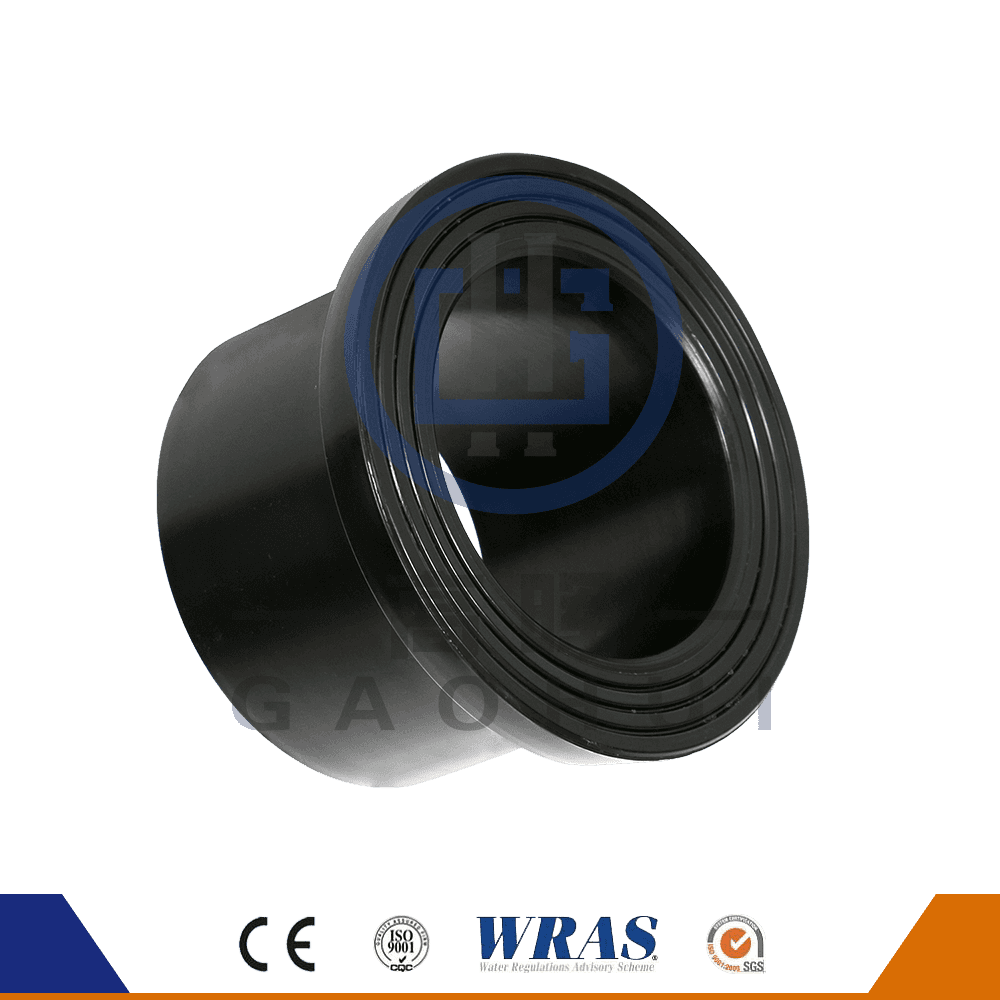
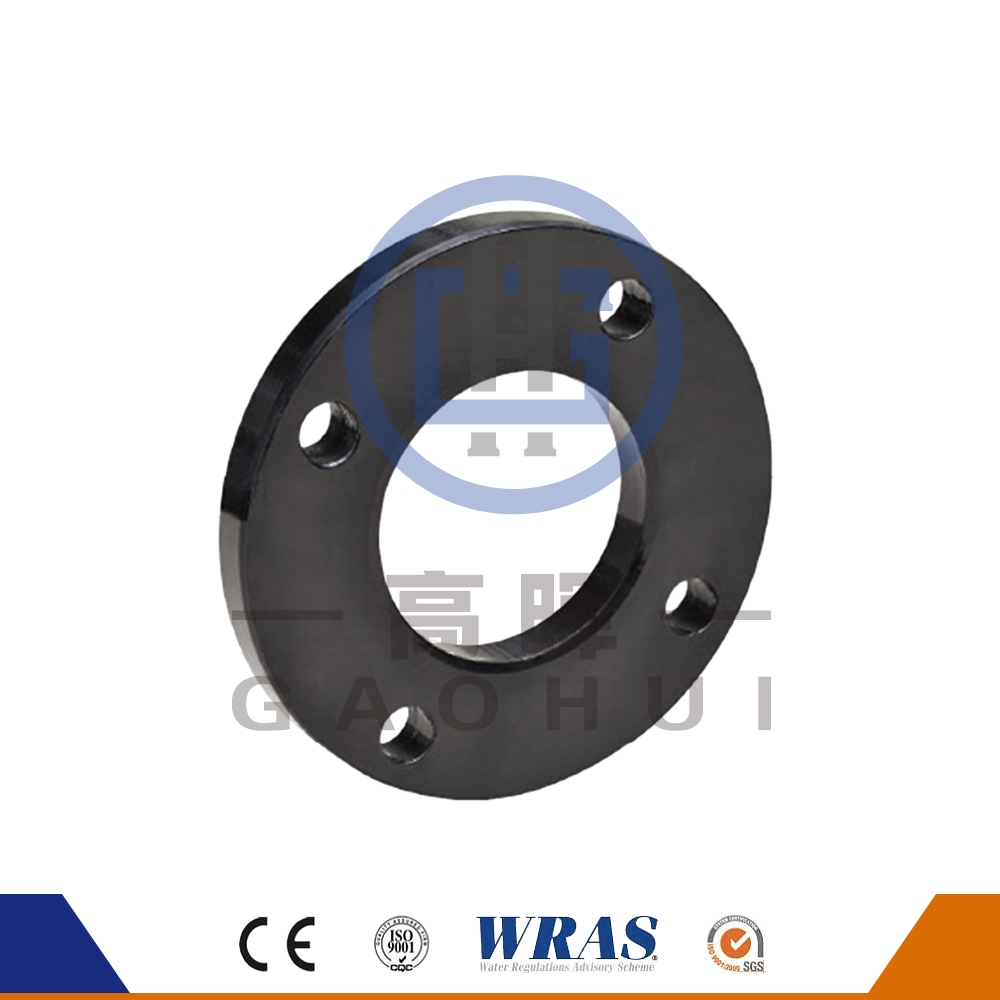
- Flange adapters: Allow HDPE systems to connect to metal valves, pumps, or existing steel or ductile iron infrastructure
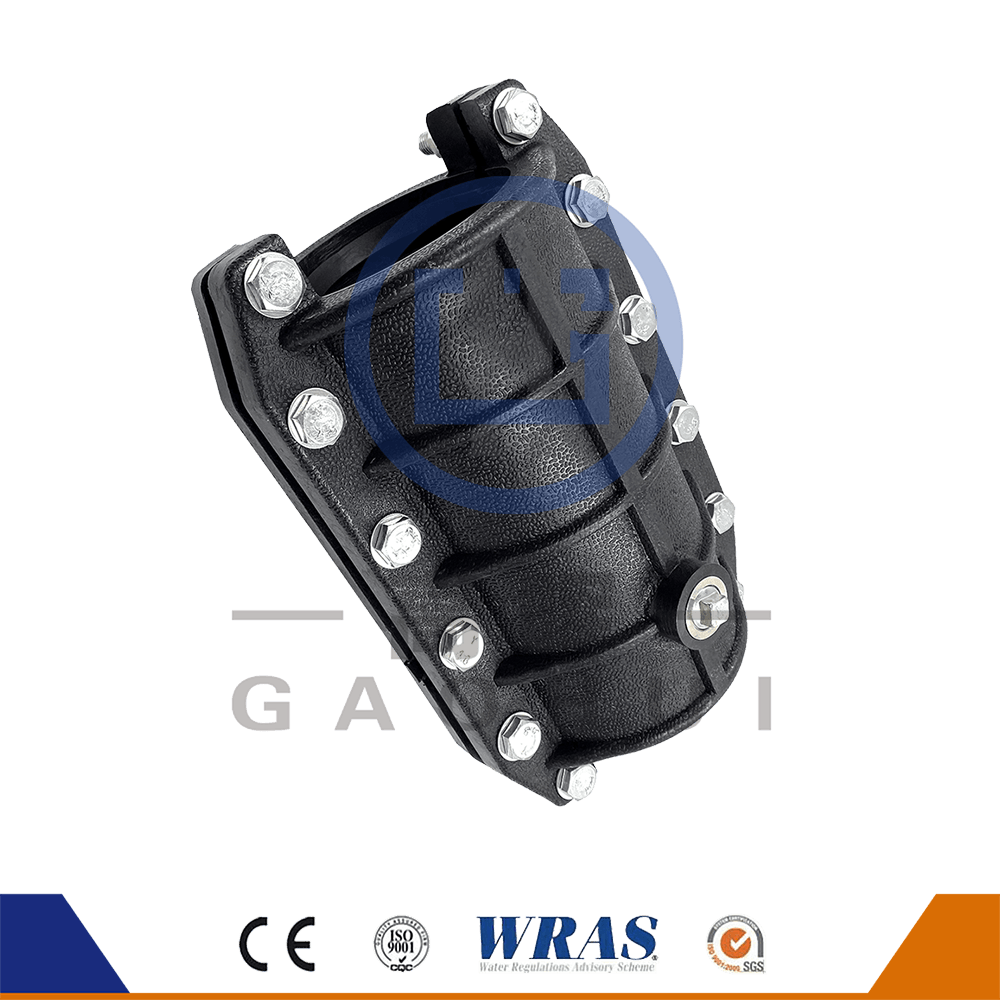
- Saddle fittings: Branch connections tapped directly onto an existing pipe — commonly used in service line connections from a water main
Butt Fusion vs. Electrofusion: Choosing the Right Method
Butt fusion is the preferred method for large-diameter pipe (typically 63 mm and above) in open-trench work because it is fast, economical, and produces joints with tensile strength equal to or exceeding the pipe body. The process requires a fusion machine that heats both pipe ends to 200–230°C, then presses them together under controlled pressure and hold time calculated from the pipe wall thickness.
Electrofusion fittings are preferred when working in narrow excavations, making repairs to live systems, or connecting smaller service pipes where butt fusion equipment cannot be maneuvered. The joint is made simply by inserting the pipe ends fully into the fitting and applying the correct voltage for the programmed fusion time — typically 40–220 seconds depending on fitting size.
HDPE Fittings vs. Fittings in Other Materials
Understanding how HDPE fittings compare to alternatives helps engineers and contractors make informed specification decisions. The table below summarizes performance across key factors.
| Criterion | HDPE | PVC | Ductile Iron | Stainless Steel |
|---|---|---|---|---|
| Corrosion Resistance | Excellent | Very Good | Poor (needs coating) | Excellent |
| Flexibility | High | Low (brittle) | Rigid | Rigid |
| Weight (relative) | Light | Light | Heavy | Heavy |
| Max Pressure (typical) | Up to 25 bar | Up to 16 bar | Up to 64 bar | Very High |
| Service Life | 50+ years | 25–50 years | 50–100 years | 50–100 years |
| Relative Material Cost | Medium | Low | Medium-High | High |
The standout advantage of HDPE fittings is that a properly made fusion joint creates a fully homogeneous, monolithic system with no mechanical joints that can leak. This is a primary reason HDPE dominates trenchless pipeline rehabilitation and new installation in corrosive soils or high-water-table environments.
HDPE Tube: How It Differs From HDPE Pipe
The terms "HDPE pipe" and "HDPE tube" are sometimes used interchangeably, but there is a meaningful technical distinction in most standards. Pipe is specified by nominal diameter and pressure rating (governed by wall thickness and SDR); tube is specified by exact outside diameter and wall thickness, with tighter dimensional tolerances designed for precision mechanical connections rather than fusion joining.
HDPE tube is commonly used in:
- Pneumatic and hydraulic lines in industrial equipment
- Chemical dosing and transfer lines in laboratory or process environments
- Drip and micro-irrigation lines in agriculture (typically 4–25 mm OD)
- Cable and conduit protection where flexibility and crush resistance are required
- Medical device manufacturing components (using medical-grade HDPE meeting USP Class VI standards)
HDPE tube in small diameters (6–50 mm) is frequently supplied in coils of 25, 50, 100, or 200 meters, which reduces installation time and eliminates field joints over long straight runs. The material's flexibility allows it to be bent to a minimum bend radius of approximately 8–12 times the outside diameter without kinking, making it easy to route around obstacles without additional elbow fittings.
Key Applications of HDPE Pipe and Fittings by Industry
HDPE piping systems are specified across a remarkably broad range of industries, each exploiting a different combination of the material's properties.
Municipal Water and Wastewater
HDPE pipe is used for potable water transmission mains, distribution networks, and force mains. Its smooth interior bore (Manning's n = 0.009) results in lower head loss and higher flow capacity than concrete or ductile iron pipe of equivalent diameter. It is also used for sewer rehabilitation via slip-lining and pipe bursting, where its flexibility and joint-free runs enable installation without full excavation.
Natural Gas Distribution
Yellow-pigmented PE80 and PE100 HDPE pipe is the global standard material for buried natural gas distribution systems operating below 10 bar. Its resistance to electrochemical corrosion eliminates the cathodic protection costs associated with steel gas mains, and its leak-free fusion joints significantly reduce gas losses compared to older cast-iron jointed pipe systems.
Mining and Industrial Process Piping
The mining industry relies heavily on HDPE pipe for slurry transport, tailings disposal, and process water lines. HDPE's abrasion resistance is significantly better than steel for slurries with fine particulates, and its chemical resistance handles acidic mine drainage without protective lining. Typical bore sizes in mining applications range from 100 mm to 1,200 mm.
Agriculture and Irrigation
HDPE pipe and tube dominate agricultural water delivery, from main supply lines down to drip irrigation laterals. Black HDPE (carbon black content of 2–2.5% provides UV stabilization) remains serviceable above ground for decades without UV degradation — a critical advantage over PVC in exposed irrigation installations.
Installation Considerations for HDPE Pipe and Fittings
Successful HDPE piping installation depends on controlling a few critical variables that differ from working with rigid pipe materials.
- Thermal expansion: HDPE has a coefficient of linear thermal expansion of approximately 0.15–0.20 mm/m·°C — roughly 10 times that of steel. Above-ground installations must include expansion loops or anchored offsets to prevent buckling in summer or contraction cracking in winter.
- Fusion quality control: All butt fusion joints must be made by certified operators using calibrated equipment; the bead formation at the joint is a visual quality indicator and must conform to dimensions specified in the relevant standard (e.g., ISO 21307).
- Minimum burial depth: For traffic-loaded installations, HDPE pipe typically requires a minimum cover of 600–900 mm; its flexibility means it relies on the surrounding soil envelope for structural support, making proper bedding and backfill compaction critical.
- Pressure testing: Due to HDPE's viscoelastic nature, pressure test protocols differ from rigid pipe — ISO 1167 and WIS 4-31-17 specify extended pressure hold periods (typically 1–4 hours) and accept a pressure drop caused by pipe expansion, not leakage.
When specifying HDPE fittings, always confirm that the fitting's pressure class matches or exceeds the pipe system's design pressure, and verify that electrofusion fittings include the manufacturer's barcode or data chip for traceability — a requirement under ISO 11413 and most utility specifications.