
 English
 русский
 عربى
عربىContent
In the world of modern infrastructure, ensuring that pipeline systems are both reliable and durable is essential. Whether it's for water distribution, gas transport, or industrial applications, the integrity of pipe joints is critical to the overall performance of the system. One of the most widely used methods for joining pipes in these applications is socket fusion.
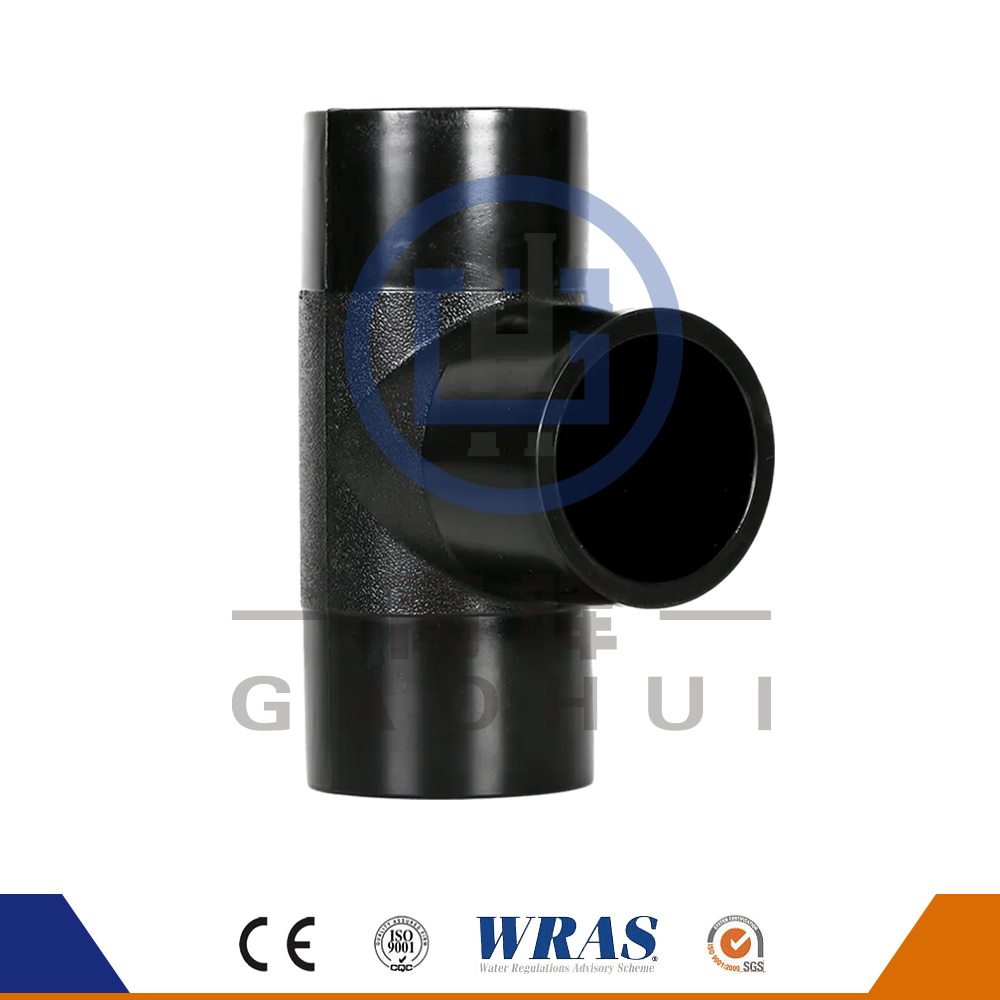
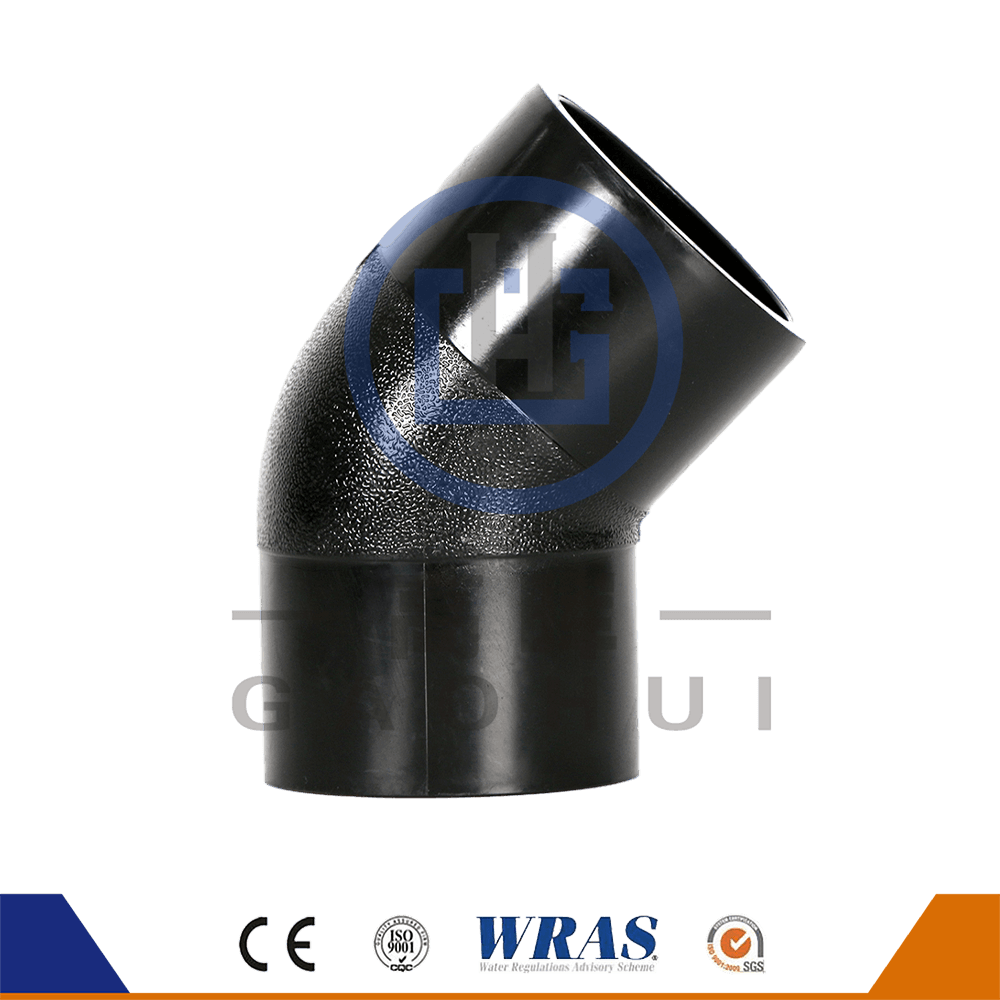
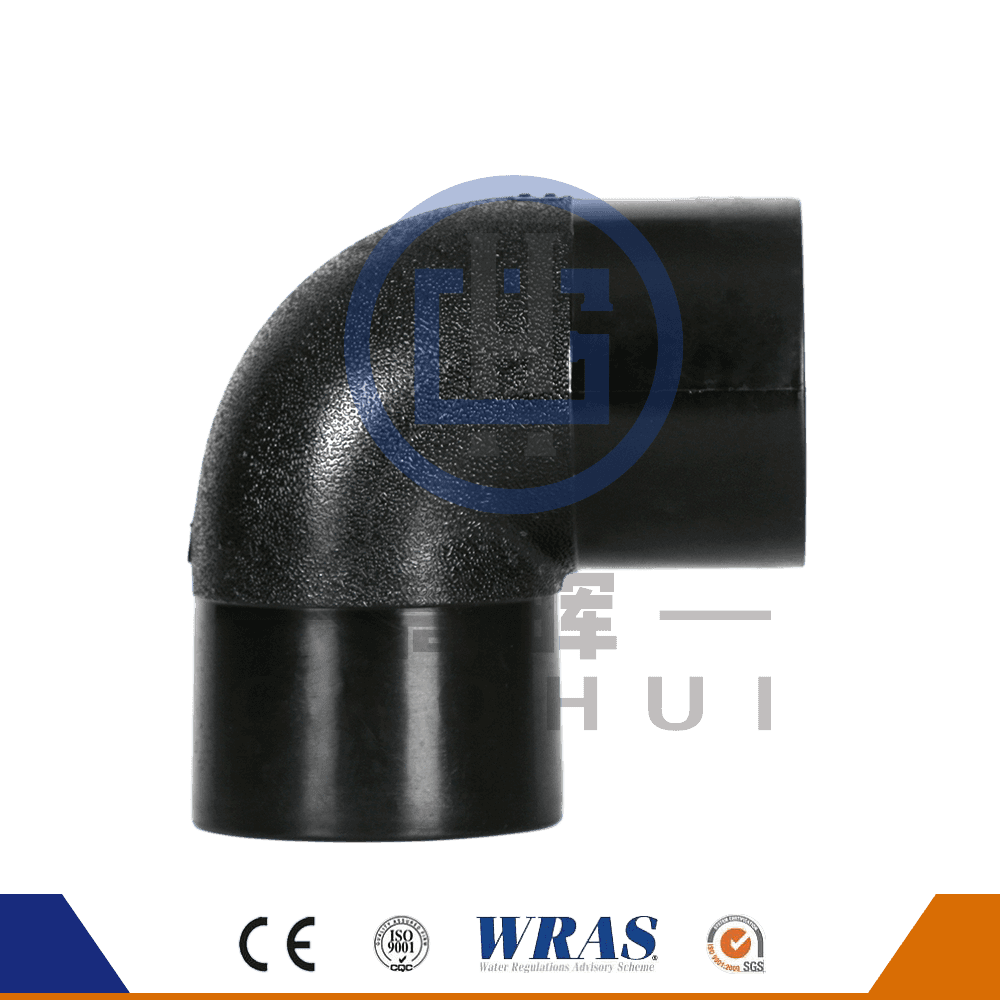
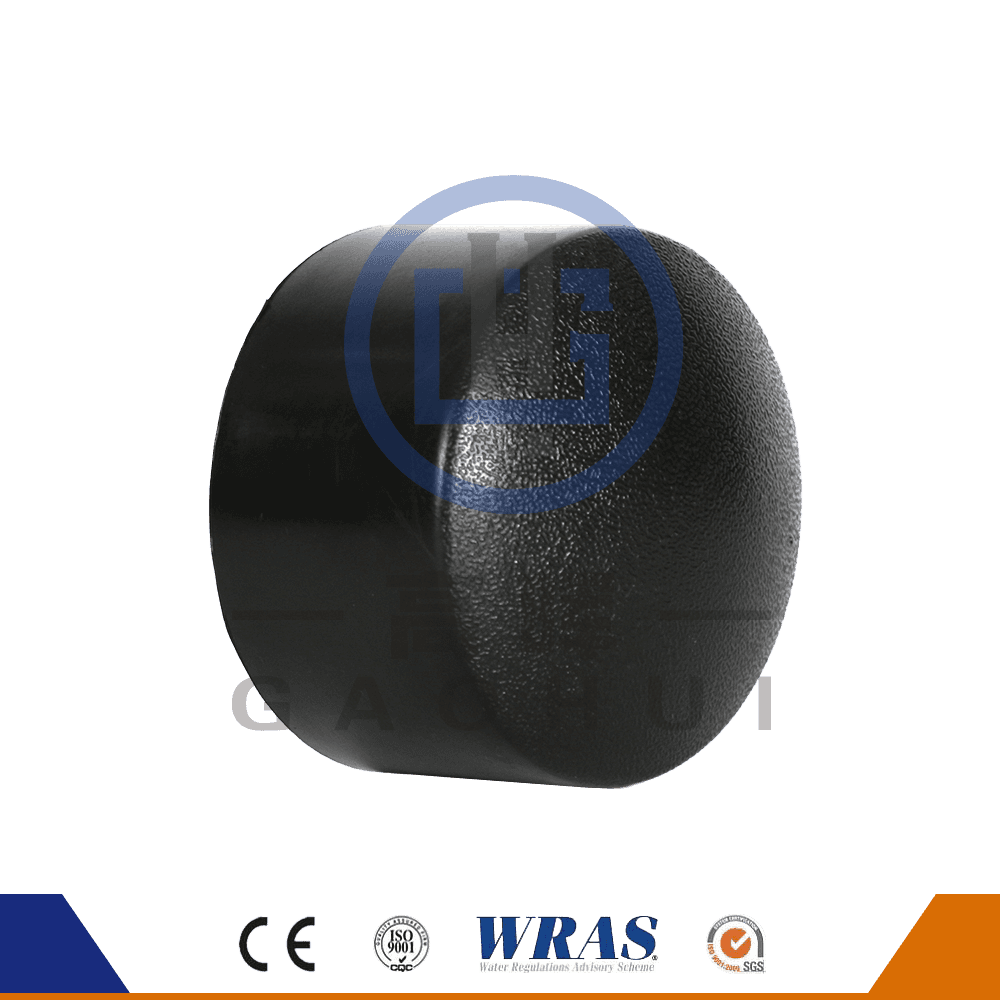
Socket fusion fittings are a fundamental component in high-density polyethylene (HDPE) pipe systems. They provide a secure, efficient, and long-lasting solution for connecting HDPE pipes.
What Are Socket Fusion Fittings?
Socket fusion fittings are a type of mechanical fitting used to join HDPE pipes. The process involves using heat and pressure to fuse the ends of the pipe and the fitting together, creating a strong, leak-resistant connection. The fitting is heated to a specified temperature, and the ends of the pipes are then inserted into the fitting. The heat causes the material to soften, allowing the pipe and the fitting to meld together, forming a continuous joint. After the fitting cools, it becomes a homogeneous, permanent bond.
Socket fusion fittings are designed to work with specific pipe diameters, ensuring that each fitting is properly sized to the pipe it will connect. These fittings are commonly used for various applications, including water distribution, natural gas pipelines, and industrial fluid transport.
How Socket Fusion Fittings Work
The socket fusion process involves several key steps, all of which contribute to creating a reliable and strong joint:
- Preparation: The ends of the HDPE pipes are first cleaned and deburred. This ensures that the connection point is free of contaminants or rough edges that could interfere with the fusion process.
- Heating the Fitting: The socket fusion fitting has a heating element built into its socket, which is used to heat the pipe ends. The heating time and temperature are precisely controlled to avoid damaging the material. During this stage, the fitting and the pipe ends are heated to the appropriate fusion temperature, typically between 400°F to 500°F (200°C to 260°C).
- Insertion of the Pipe: Once the fitting and pipe ends reach the desired temperature, the pipe ends are quickly inserted into the heated socket of the fitting. The heat causes the HDPE material at the pipe end to soften, allowing it to fuse with the fitting. A consistent amount of pressure is applied to ensure the pipe and fitting bond evenly.
- Cooling: After the fusion is completed, the fitting and pipe are allowed to cool and solidify. As the material cools, the bond becomes stronger, forming a durable, leak-proof connection that will hold under pressure.
The fusion process eliminates the need for mechanical fasteners, adhesives, or gaskets, making it one of the most reliable and long-lasting methods for connecting HDPE pipes.
Advantages of Socket Fusion Fittings
Socket fusion fittings offer a wide range of benefits, making them an ideal choice for HDPE pipe systems. Below are the primary advantages of using socket fusion fittings in pipeline construction:
Strong and Leak-Resistant Joints
One of the key reasons socket fusion fittings are preferred for HDPE pipe systems is their ability to create strong, leak-proof joints. The fusion process creates a continuous bond between the pipe and the fitting, which means there are no weak points or potential areas for leakage. Since the joint becomes as strong as the pipe itself, it can withstand high pressures and extreme conditions, ensuring the integrity of the pipeline.
Durability and Longevity
HDPE is known for its exceptional durability and resistance to corrosion, chemicals, and UV degradation. By using socket fusion fittings, the strength of the HDPE material is maintained, ensuring that the pipeline system lasts for decades. Socket fusion joints are designed to resist wear, ensuring that they do not degrade over time, even under challenging environmental conditions. This longevity reduces the need for frequent repairs or replacements, providing long-term cost savings.
Speed and Efficiency
Socket fusion fittings offer a quick and efficient method of pipe joining, which is particularly beneficial for large-scale pipeline projects. The installation process is straightforward and does not require additional sealing materials, such as gaskets or adhesives. The fusion process is typically completed within seconds to minutes, allowing for fast assembly. This time-saving feature is especially advantageous in large projects, where time is a critical factor.
Minimal Maintenance Requirements
Once the socket fusion fitting is installed and the pipeline is operational, the system requires minimal maintenance. The fusion process eliminates the need for ongoing maintenance that might be necessary for mechanical fittings, which often rely on seals that can wear out over time. The fusion joint is permanent, so long as the pipe is intact, there is no risk of degradation at the joint.
Compatibility with Various Pipe Sizes
Socket fusion fittings are versatile and come in a range of sizes to accommodate different diameters of HDPE pipe. This flexibility makes them suitable for a wide variety of applications, from residential water systems to large-scale industrial pipelines. Whether you are working with small diameter pipes or large distribution systems, there are socket fusion fittings available to meet the requirements.
Resistance to Environmental Factors
HDPE pipes and socket fusion fittings are highly resistant to a wide range of environmental factors, including extreme temperatures, moisture, and chemicals. This makes them particularly well-suited for outdoor installations, underground pipelines, and systems that transport aggressive fluids. The fusion joints are also resistant to environmental stress cracking, making them ideal for use in tough conditions.
Applications of Socket Fusion Fittings
Socket fusion fittings are used in a variety of applications across multiple industries. Some of the most common applications include:
Water Distribution Systems
Socket fusion fittings are widely used in municipal water distribution systems because of their reliability and ability to form leak-free joints. HDPE pipes are ideal for transporting potable water due to their resistance to corrosion and chemicals. Socket fusion fittings ensure that these pipes stay connected securely, preventing water loss and contamination.
Gas Pipelines
In gas distribution networks, socket fusion fittings provide the strength and durability necessary to handle high-pressure conditions. The leak-resistant properties of the fused joints are especially important in gas pipelines, where even the smallest leak can pose a serious safety risk. Socket fusion ensures that the system remains secure and operational for many years.
Wastewater Systems
Socket fusion fittings are commonly used in sewage and wastewater systems, where HDPE pipes are favored for their ability to resist corrosion from the chemicals and waste they transport. The fittings provide a reliable connection that can handle the demanding conditions of wastewater management.
Industrial Fluid Transport
HDPE pipes, coupled with socket fusion fittings, are ideal for industrial fluid transport systems. These systems often involve aggressive chemicals, high pressures, and fluctuating temperatures. The durability and chemical resistance of HDPE, along with the secure connection provided by socket fusion, make it a preferred choice in industries such as petrochemicals, mining, and manufacturing.
Irrigation Systems
For agricultural applications, socket fusion fittings are used to connect HDPE pipes for irrigation systems. These fittings create leak-free, reliable connections that ensure efficient water distribution in farming and landscaping applications. The durability of the pipes and fittings ensures long-term performance even in rough conditions.
Best Practices for Installing Socket Fusion Fittings
While socket fusion fittings are highly reliable and efficient, proper installation is essential to achieving optimal performance. Here are some best practices to follow when installing socket fusion fittings:
- Proper Surface Preparation: Ensure the pipe ends and fittings are clean and free of debris before beginning the fusion process. This helps achieve a strong, consistent bond.
- Use the Right Equipment: Always use the appropriate socket fusion machine and ensure it is calibrated correctly for the pipe size and material. This helps maintain consistent heating and pressure during the fusion process.
- Follow Manufacturer Guidelines: Each socket fusion fitting may have specific instructions for heating time, temperature, and cooling time. Adhere to the manufacturer's guidelines to ensure a successful fusion.
- Test the Fusion: After completing the fusion, inspect the joint for any signs of improper fusion, such as bubbles or incomplete bonds. Pressure testing may also be used to verify the integrity of the joint.
- Allow Sufficient Cooling Time: Avoid handling the joint too soon. Ensure that the fused joint has time to cool and solidify properly before any stress is applied to the pipeline.