
 English
 русский
 عربى
عربىContent
- 1 What Are HDPE Electro Fusion Fittings?
- 2 How Do HDPE Electro Fusion Fittings Work?
- 3 The Importance of Leak-Free Joints
- 4 Why HDPE Electro Fusion Fittings Are Ideal for Leak Prevention
- 5 Best Practices for Ensuring Leak-Free Connections with HDPE Electro Fusion Fittings
- 6 Common Applications of HDPE Electro Fusion Fittings
In the world of modern pipeline systems, the ability to ensure leak-free operation is critical. Whether it's for water distribution, gas transport, or wastewater management, any leakage in the system can lead to costly repairs, environmental damage, and disruption of services. As industries and municipalities continue to expand their infrastructure, choosing the right technology for pipeline installation and maintenance becomes increasingly important. One of the most effective methods for ensuring secure, leak-free connections is the use of HDPE Electro Fusion Fittings.
HDPE (High-Density Polyethylene) Electro Fusion Fittings offer a reliable and durable solution for joining HDPE pipes in a way that minimizes the risk of leaks. These fittings are widely used across industries for their ability to create strong, homogenous joints that are as robust as the pipes themselves.
What Are HDPE Electro Fusion Fittings?
HDPE Electro Fusion Fittings are a type of connection used to join two pieces of HDPE pipe together through the process of electrofusion. The process involves using an electric current to heat the inner surface of the fitting, which in turn melts the pipe and the fitting, causing them to fuse into one solid, continuous connection. This fusion process creates a joint that is chemically and physically similar to the HDPE pipe itself, resulting in a connection that is incredibly strong and resistant to leaks.
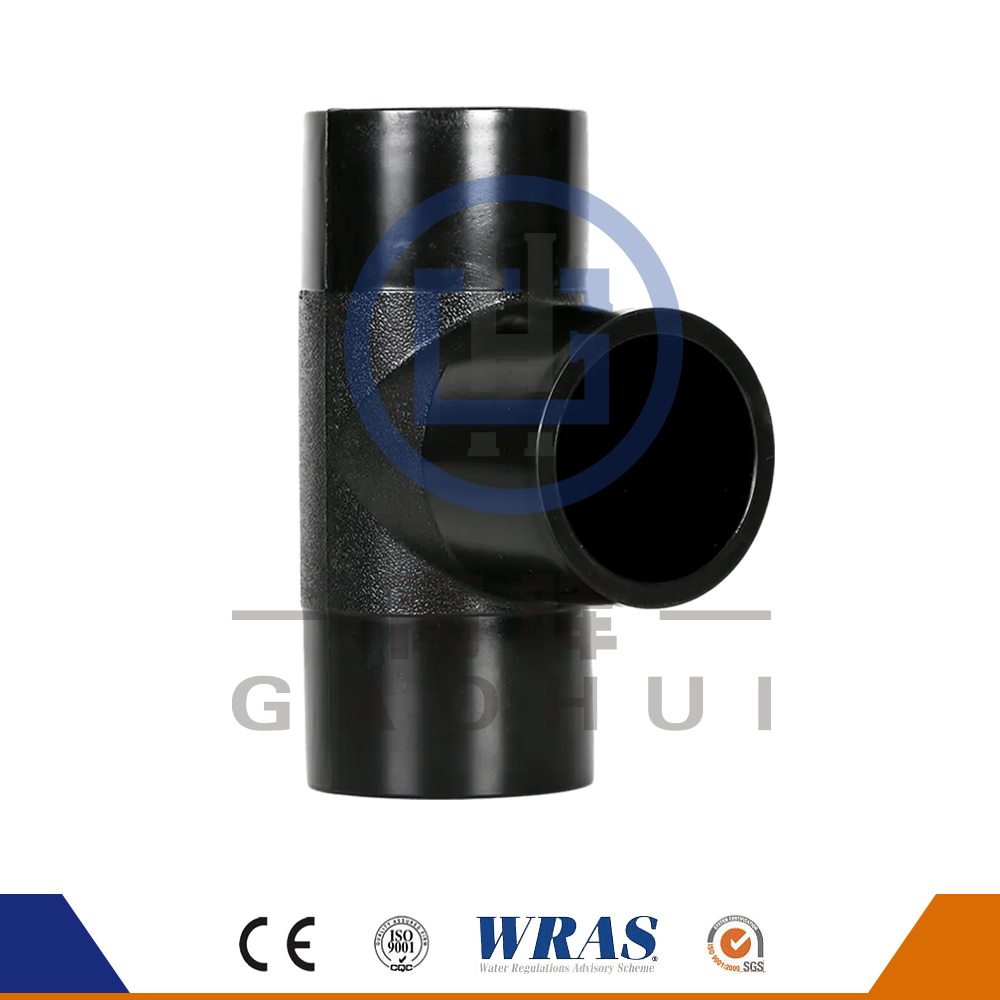
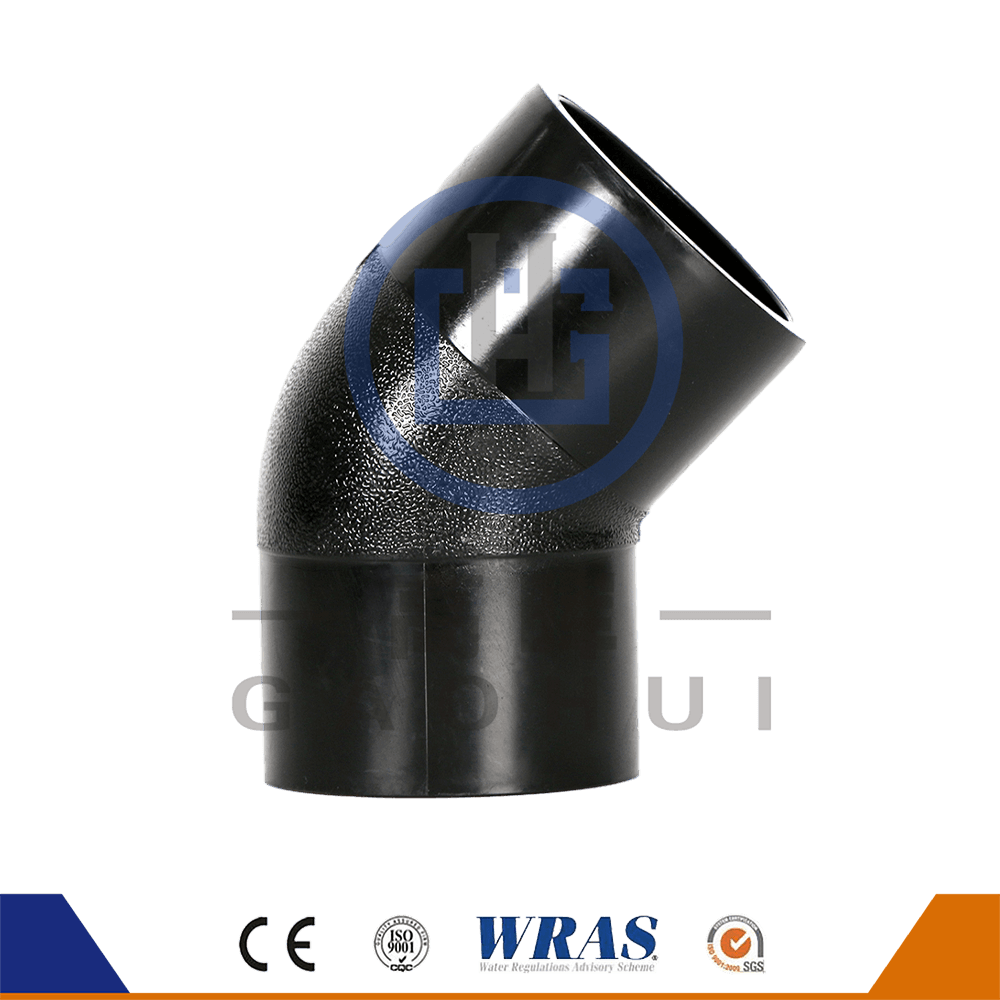
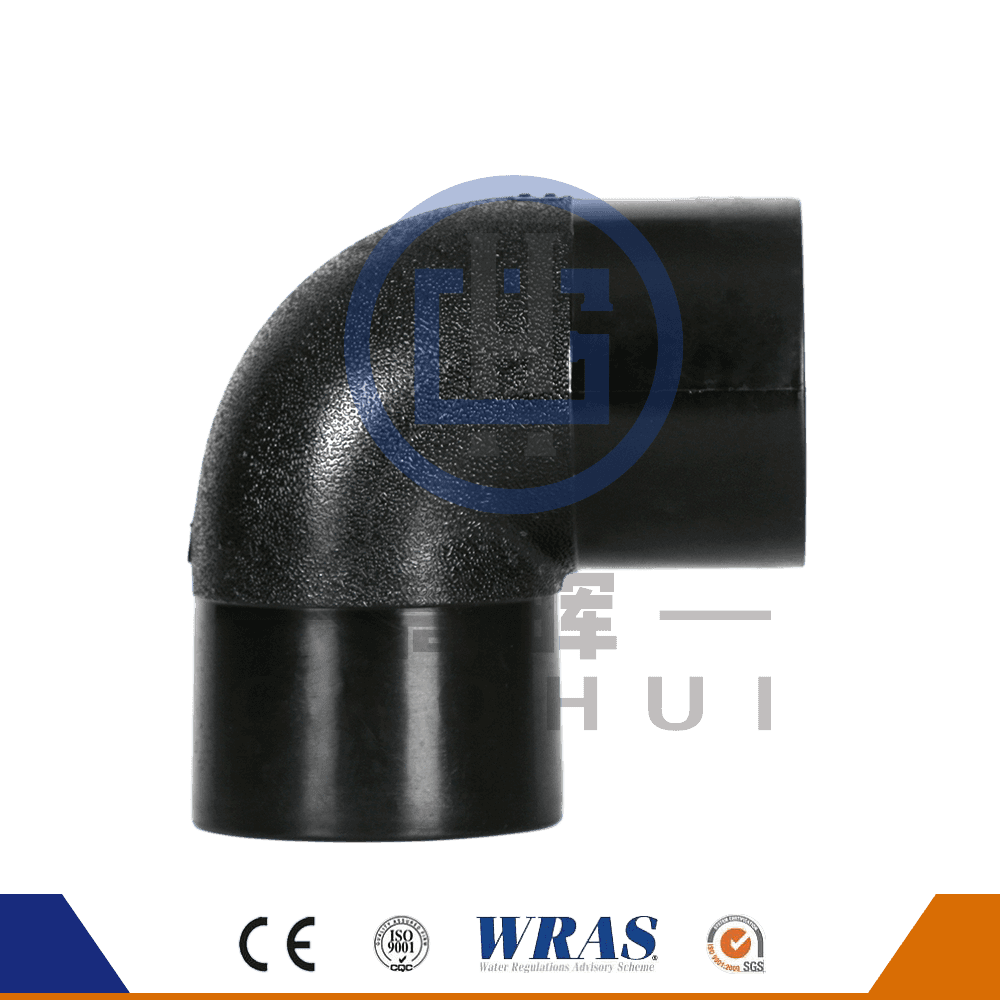
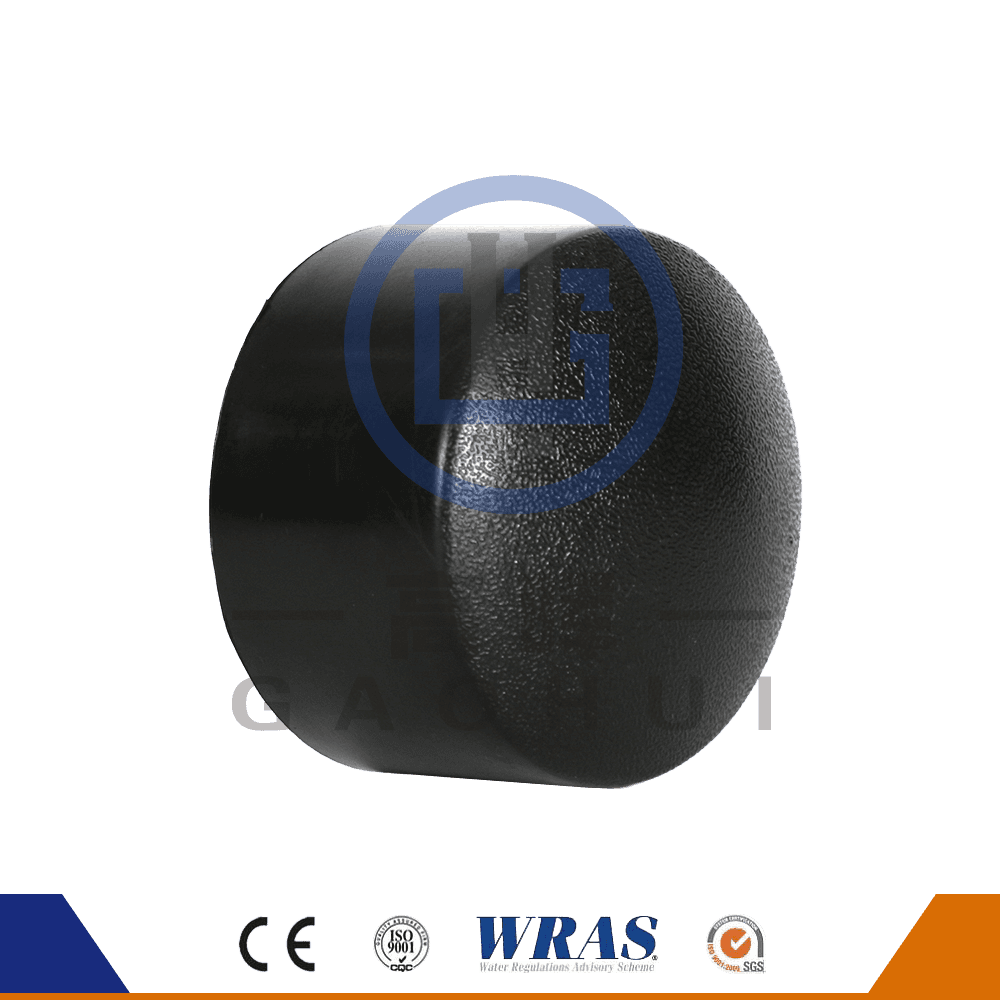
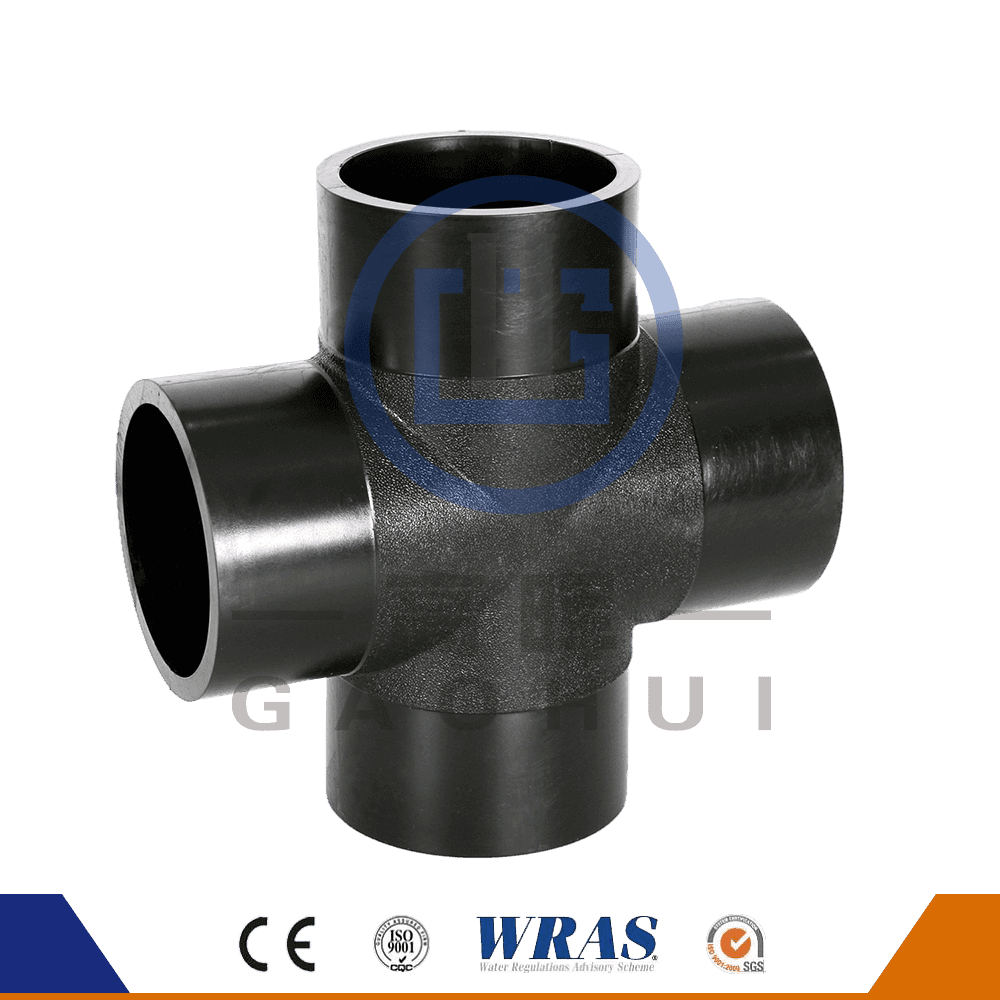
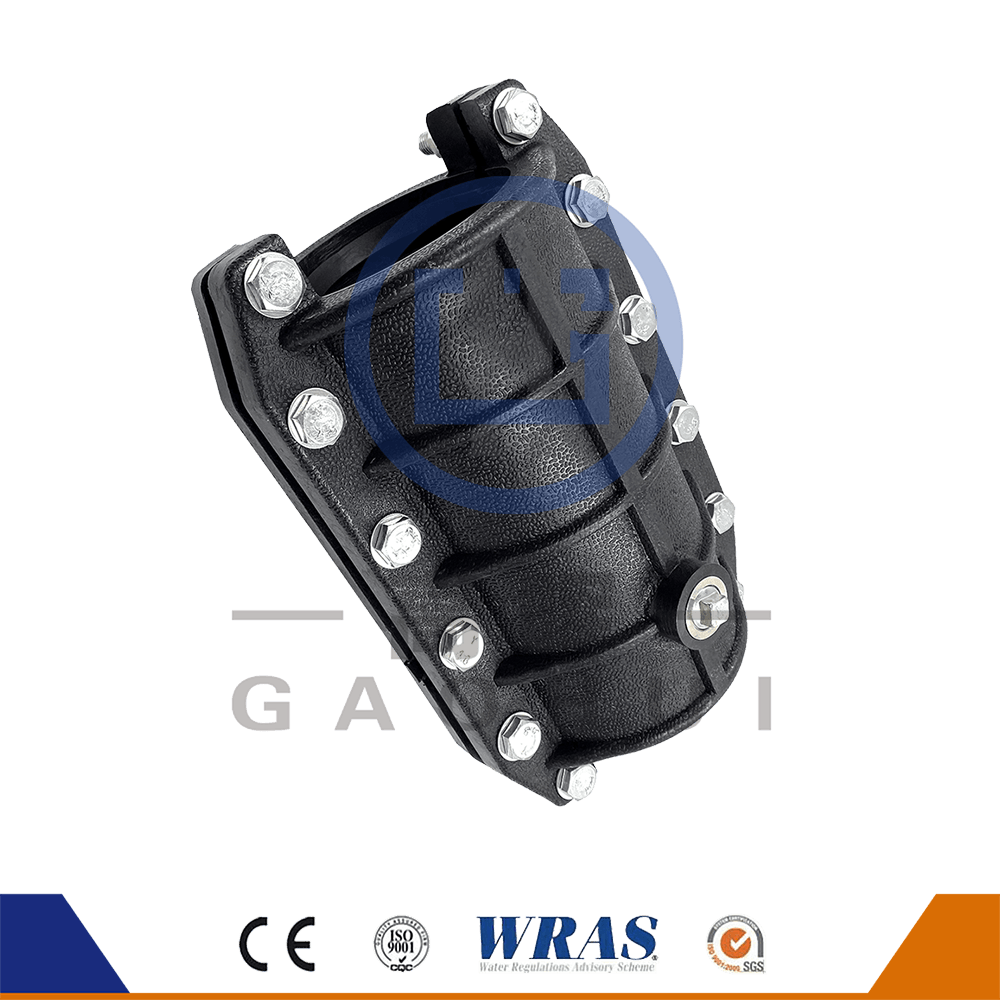
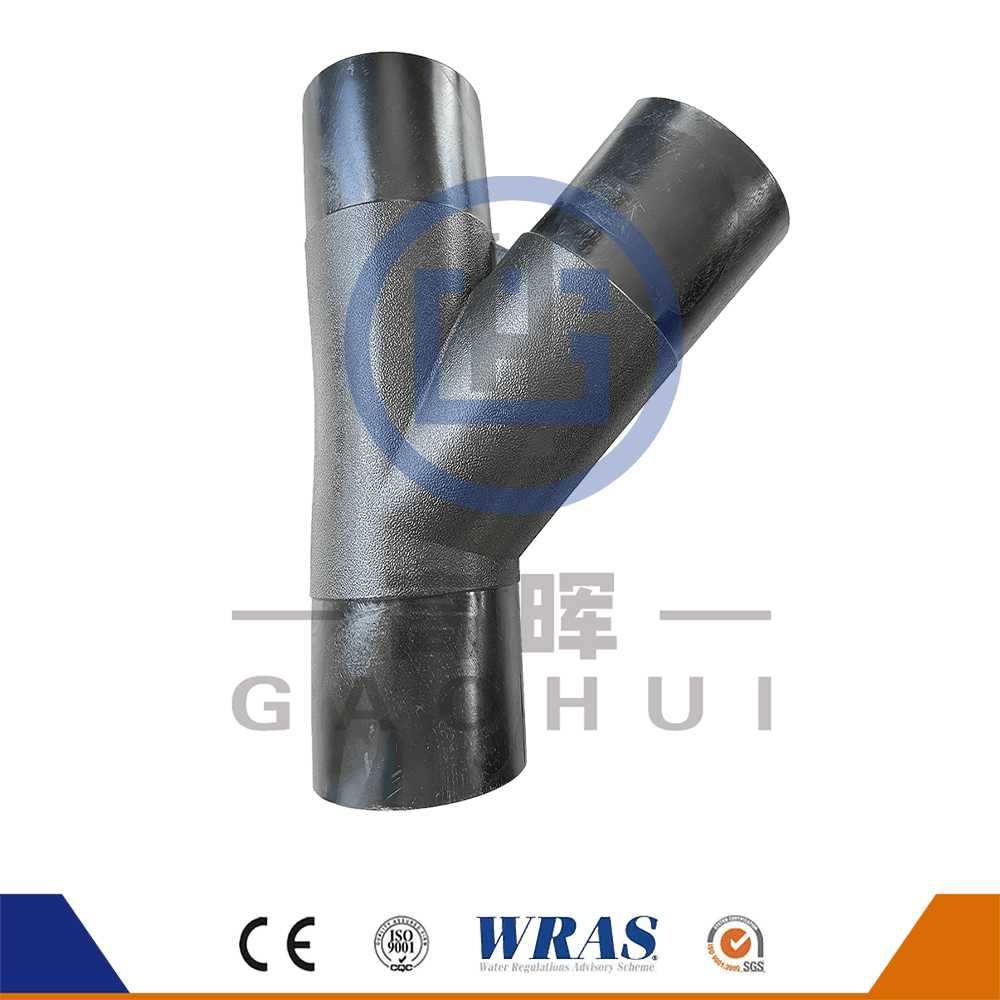
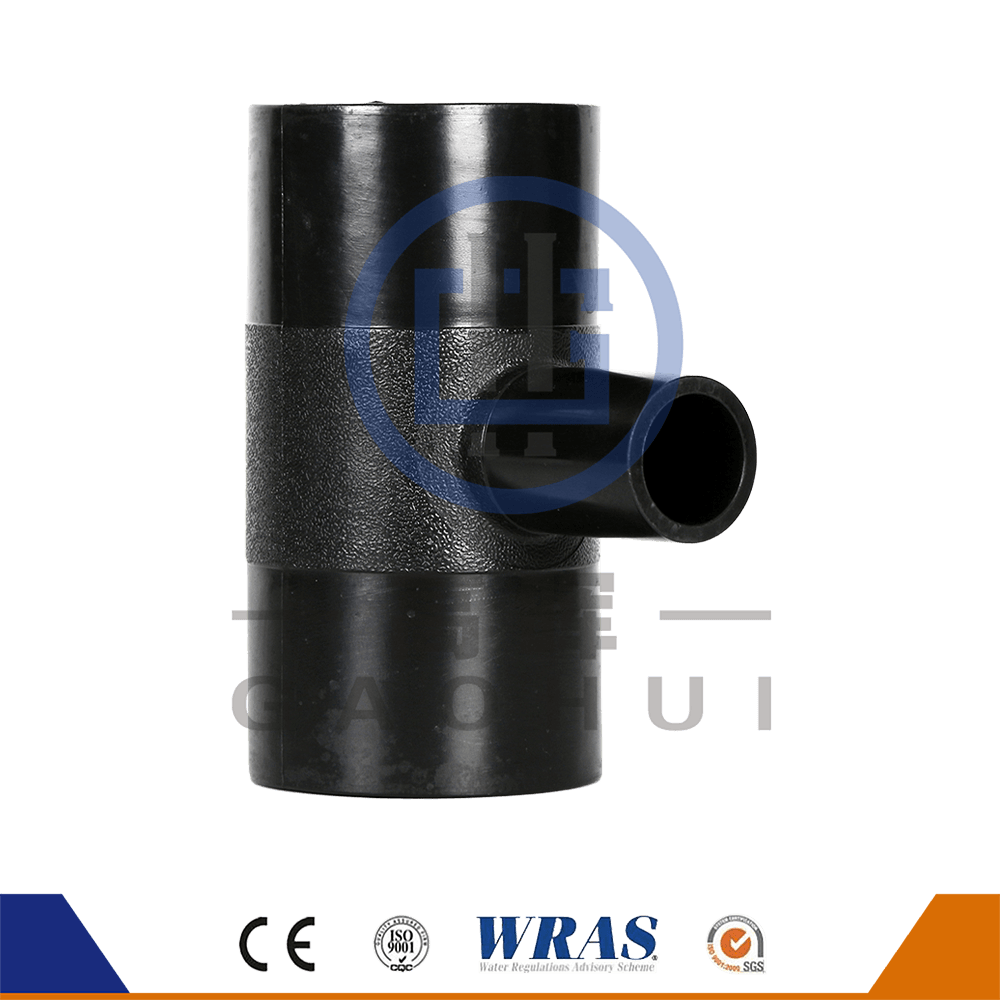
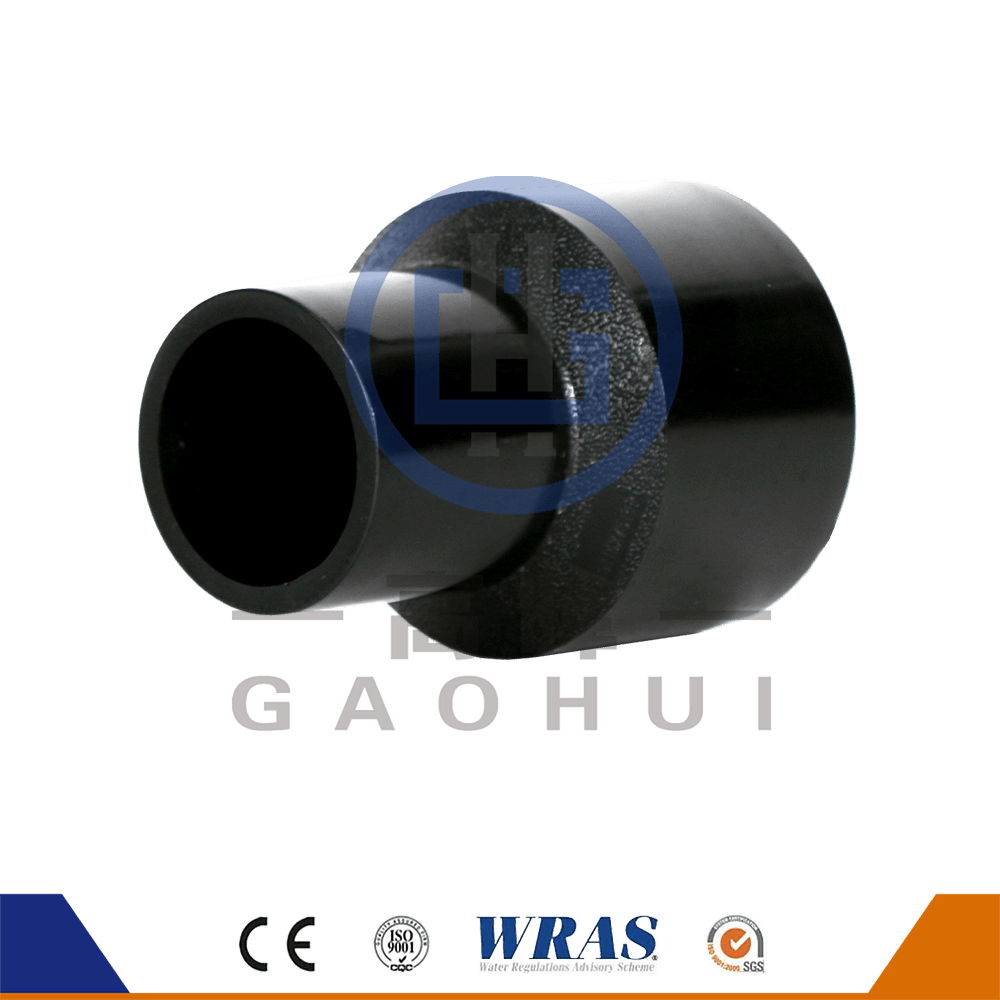
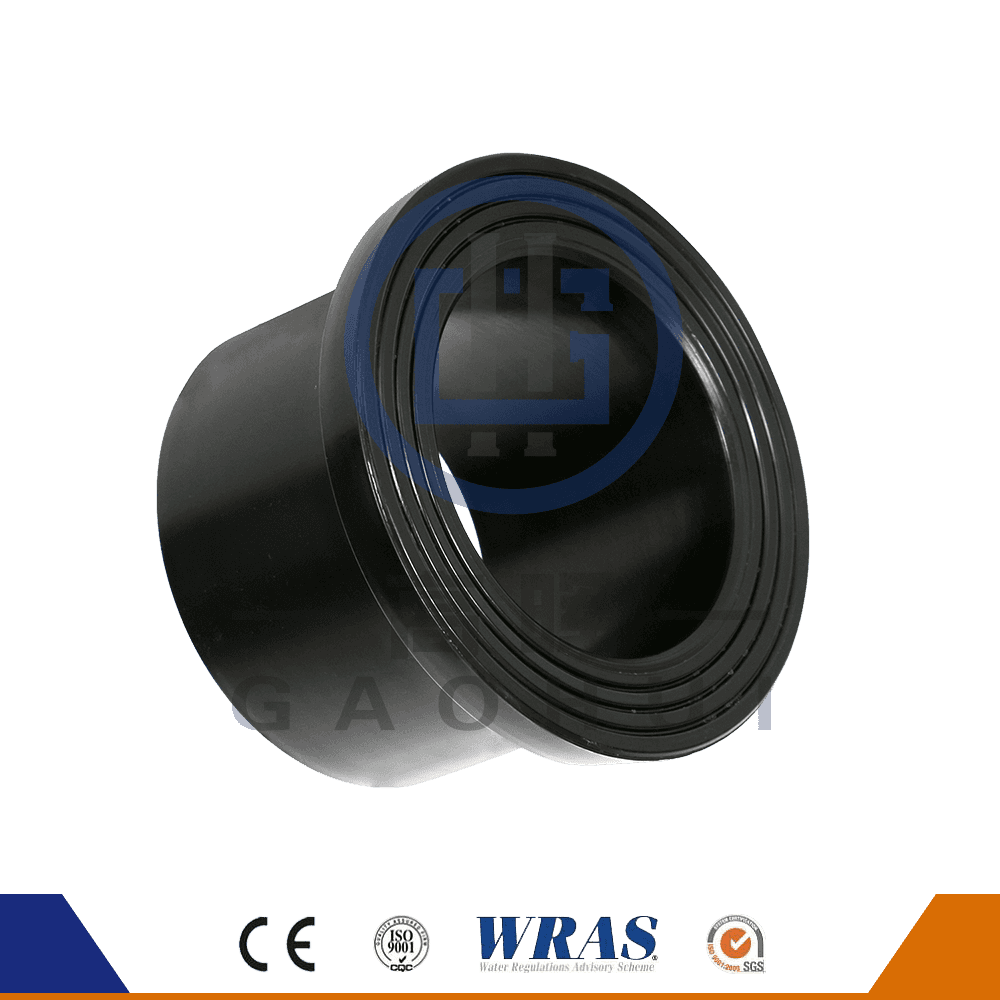
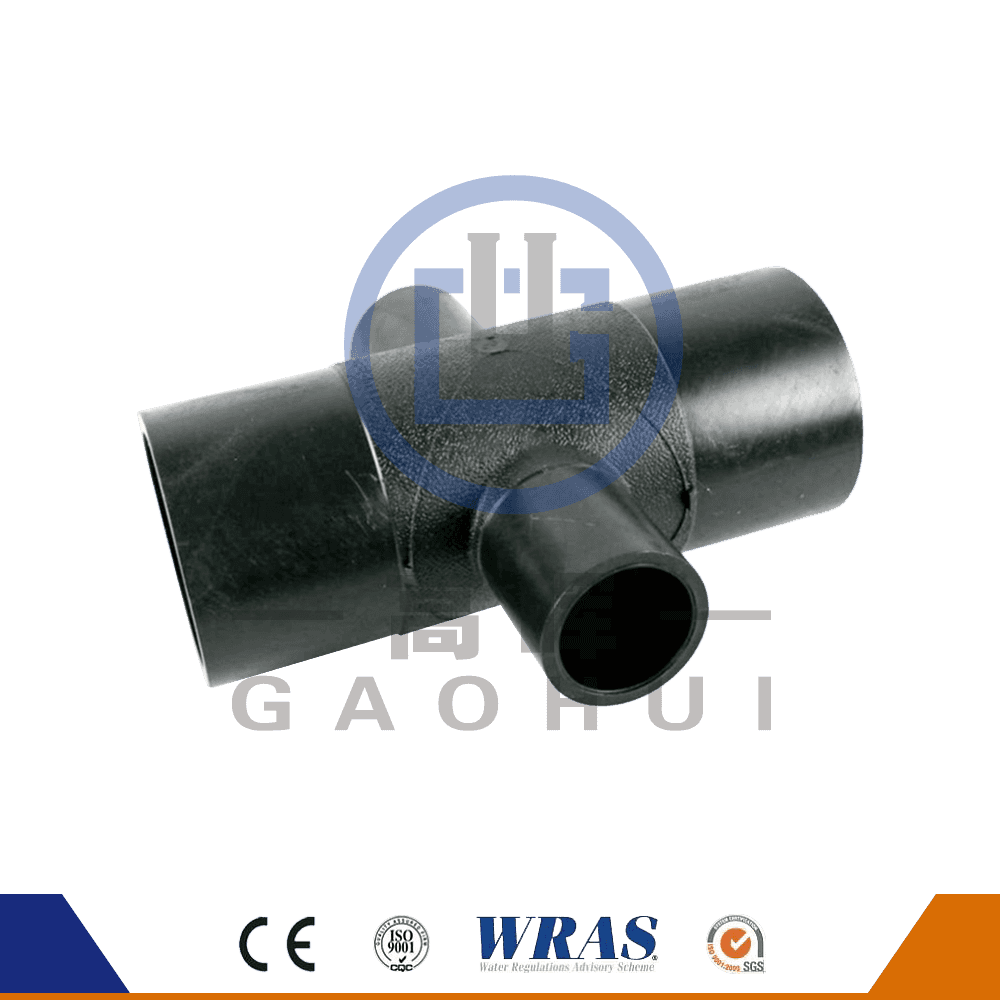
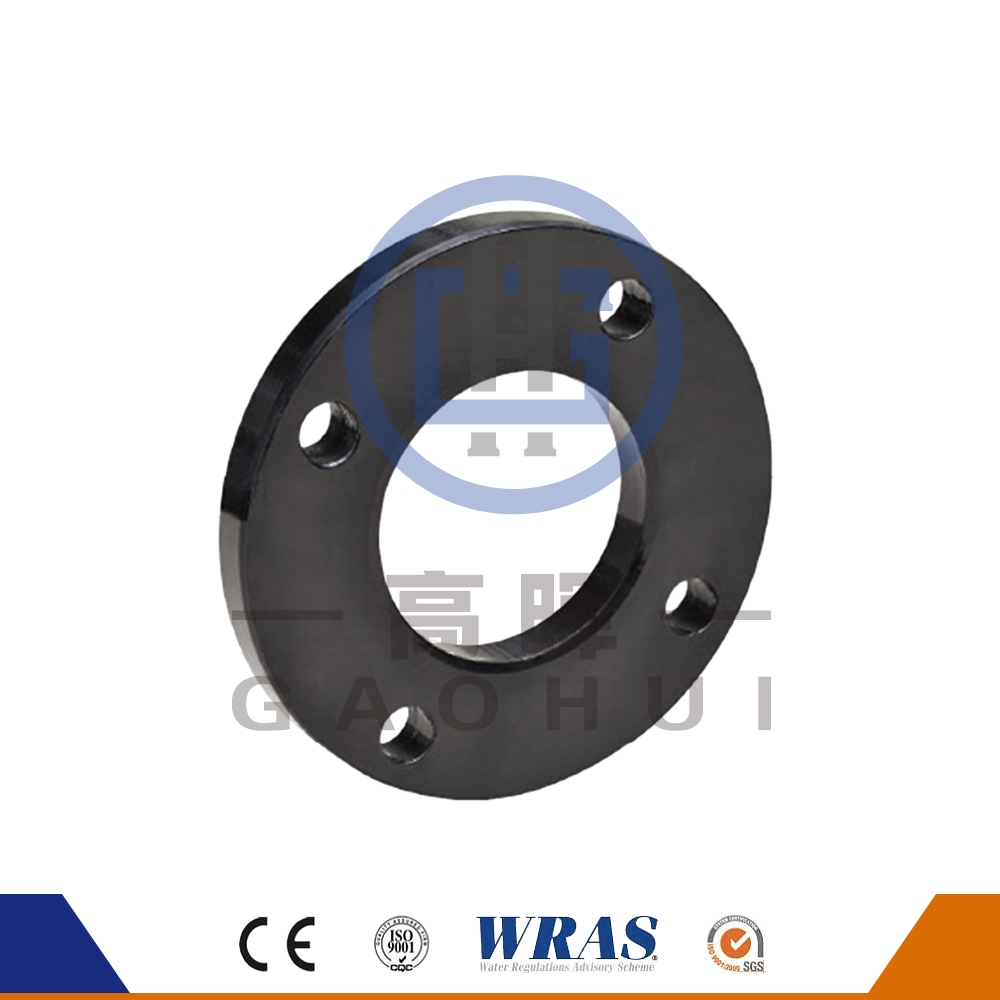
These fittings come in various shapes, including elbows, tees, couplings, reducers, and flanges, and are designed to accommodate a range of pipe diameters. They are commonly used in applications such as water and gas distribution, sewage systems, and industrial pipelines. The key advantage of HDPE Electro Fusion Fittings is their ability to form leak-proof connections that can withstand high pressure, extreme weather conditions, and aggressive chemical environments.
How Do HDPE Electro Fusion Fittings Work?
The process of electrofusion is a straightforward yet highly effective method for joining HDPE pipes. Here’s a step-by-step breakdown of how HDPE Electro Fusion Fittings work:
- Preparation of the Pipe and Fitting: First, the ends of the HDPE pipes are cleaned and deburred to ensure there are no contaminants or rough edges. The ends of the pipes are then inserted into the corresponding ends of the electrofusion fitting.
- Activation of the Fusion Process: Electrofusion fittings contain an internal coil or resistance element. When electrical current is passed through this element, it generates heat. This heat melts the inner surface of the pipe and the outer surface of the fitting, causing both materials to fuse together.
- Cooling and Solidification: After the electrical current is applied for a set period, the fitting is allowed to cool. The molten material solidifies, creating a strong, seamless joint that is as durable as the surrounding pipe.
This process is highly controlled and can be monitored with the help of fusion machines equipped with temperature and time controls, ensuring that each joint is fused to the correct specifications.
The Importance of Leak-Free Joints
Leaks in pipeline systems can cause numerous issues, from water wastage and reduced efficiency to potential environmental damage and costly repairs. In high-pressure systems, such as gas or water distribution pipelines, a single leak can compromise the entire operation.
For large-scale infrastructure projects, ensuring leak-free joints becomes even more important. HDPE Electro Fusion Fittings create a continuous, uniform connection that eliminates the risks associated with traditional mechanical or threaded joints, which often rely on seals, gaskets, or bolts that can wear down or loosen over time. The fusion process eliminates the need for additional sealing materials and offers a permanent solution that doesn’t degrade over time.
Why HDPE Electro Fusion Fittings Are Ideal for Leak Prevention
There are several key reasons why HDPE Electro Fusion Fittings are particularly effective at preventing leaks:
- Uniform Joint Strength: The fusion process creates a joint that is as strong as the pipe itself. This eliminates the weaknesses associated with traditional joining methods, where the connection point may be vulnerable to stress, pressure, or movement. Since the fitting and pipe are fused together, there is no joint interface that can potentially fail, resulting in a more secure, leak-resistant system.
- No Seals or Gaskets: Unlike threaded or mechanical joints, which require seals or gaskets to prevent leaks, HDPE Electro Fusion Fittings do not rely on additional sealing materials. The fusion process itself creates a seamless connection that is inherently resistant to leaks.
- Resistance to Corrosion: HDPE is naturally resistant to corrosion and chemicals, which makes HDPE Electro Fusion Fittings ideal for use in harsh environments. Whether exposed to high moisture, chemicals, or aggressive weather conditions, HDPE pipes and fittings maintain their integrity and leak-free performance over time.
- High-Pressure Tolerance: Electrofusion joints are capable of handling high-pressure environments without compromising the pipeline’s safety or functionality. This makes them ideal for critical infrastructure systems that must endure significant stress or varying pressure conditions.
- Long-Term Durability: HDPE is known for its long lifespan, and when fused together, the pipes and fittings form a bond that will last for decades. The lack of joints that could degrade over time ensures the pipeline remains leak-free for the long term.
Best Practices for Ensuring Leak-Free Connections with HDPE Electro Fusion Fittings
While HDPE Electro Fusion Fittings are a reliable solution for leak-free pipelines, achieving optimal results depends on following best practices during installation. Below are some key steps to ensure a leak-free, durable connection:
Proper Surface Preparation
The surfaces of the pipe and fitting must be thoroughly cleaned and deburred before fusion. Contaminants such as dirt, oil, or debris can affect the fusion process and lead to weak joints. The pipe should be free from scratches, gouges, or any imperfections that could interfere with the fusion process.
Accurate Fusion Process
To ensure a strong, leak-resistant bond, the fusion process must be carefully controlled. Using a fusion machine that monitors parameters such as time and temperature is essential. The fusion machine should be calibrated properly, and the electrical current should be applied for the correct amount of time, as specified by the manufacturer.
Inspection and Testing
After the fusion process is complete, it’s important to inspect the joint to ensure there are no signs of improper fusion, such as visible cracks or gaps. In many cases, a visual inspection is sufficient, but additional testing methods, such as pressure testing, may be conducted to ensure the integrity of the joint.
Avoiding Overheating or Underheating
The success of the electrofusion process depends on applying the right amount of heat to the joint. Too much heat can weaken the material and result in a brittle joint, while too little heat can prevent the joint from properly bonding. Proper training and use of accurate fusion equipment are crucial in achieving the right balance.
Using Compatible Fittings
It’s essential to use electrofusion fittings that are compatible with the specific type and size of HDPE pipe being used. Using fittings that do not match the pipe specifications can result in weak or improper joints, increasing the likelihood of leaks.
Common Applications of HDPE Electro Fusion Fittings
HDPE Electro Fusion Fittings are used in a wide variety of applications where leak-free performance is crucial. Some of the most common applications include:
- Water Distribution Systems: HDPE Electro Fusion Fittings are frequently used in municipal water systems for their ability to prevent leaks and ensure safe, reliable water distribution.
- Gas Pipeline Systems: For natural gas or other fuel pipelines, HDPE Electro Fusion Fittings provide a secure, leak-resistant connection that is critical for safety and reliability.
- Sewage and Wastewater Systems: These fittings are ideal for wastewater management systems, where the integrity of the pipeline is vital to prevent contamination or environmental damage.
- Industrial Pipelines: HDPE Electro Fusion Fittings are also used in industries where harsh chemicals or high pressures are involved, such as in mining, chemical processing, or oil and gas transport.