
 English
 русский
 عربى
عربىContent
In modern industrial applications, particularly in the fields of water supply, chemical processing, and oil and gas distribution, pipeline systems play a crucial role in ensuring the efficient and safe transport of fluids. One key component that helps ensure the longevity, flexibility, and durability of these systems is the PE flange stub end. Though often overlooked, PE flange stub ends are integral to the construction and maintenance of reliable pipeline systems.
PE, or polyethylene, is a durable and versatile material known for its corrosion resistance and flexibility, making it an ideal choice for pipeline systems that need to withstand challenging conditions. A PE flange stub end is a specialized pipe fitting that connects a polyethylene pipe to a flange, providing a secure, leak-proof joint that is easy to maintain and replace.
What is a PE Flange Stub End?
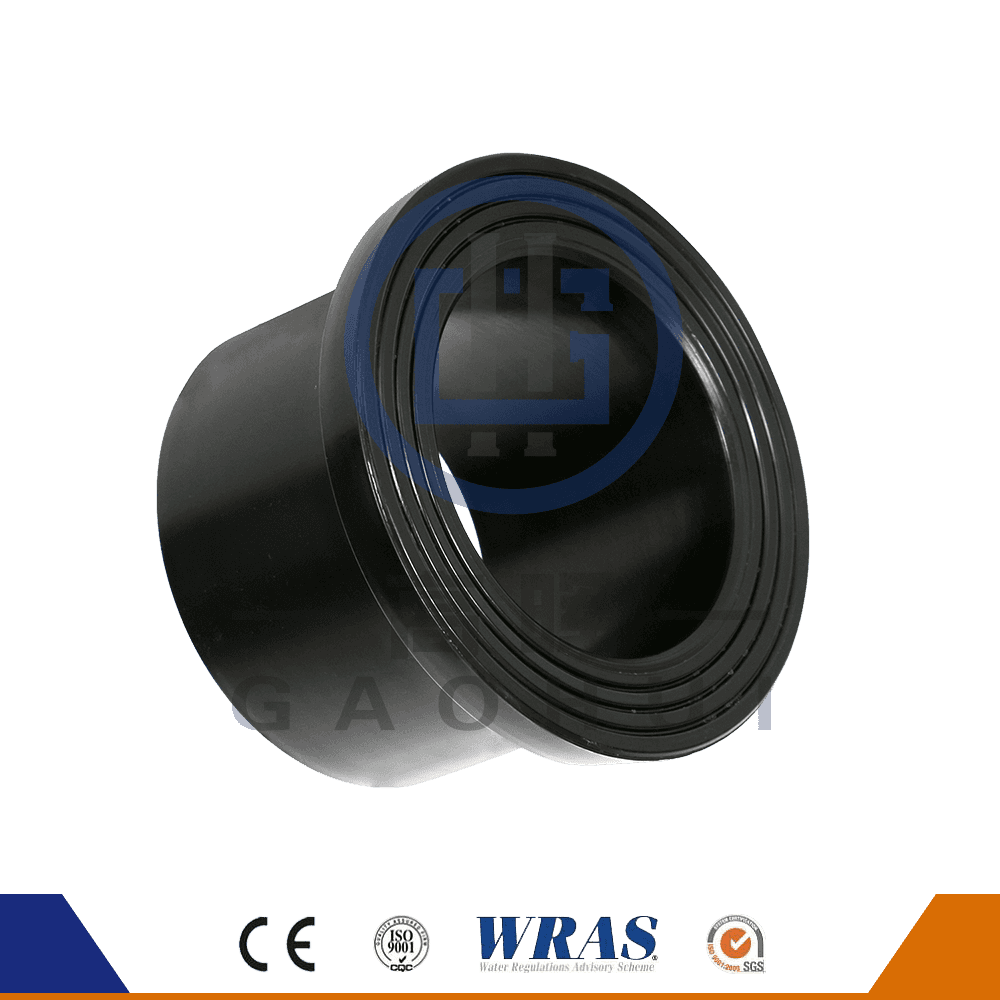
A PE flange stub end is a type of pipe fitting used to connect a polyethylene pipe to a flange in a pipeline system. It is typically made from high-density polyethylene (HDPE), a material known for its superior strength, chemical resistance, and flexibility. The PE flange stub end features a short section of pipe with a flange welded to one end. The other end is designed to be welded or mechanically joined to the polyethylene pipe.
These components are widely used in the construction of flanged connections in pipelines, offering a smooth and secure transition between the pipe and the flange. The flange itself is used to connect various parts of the pipeline, such as valves, pumps, or other piping systems, ensuring a strong and reliable connection.
Key Benefits of PE Flange Stub Ends
The widespread use of PE flange stub ends in pipeline systems can be attributed to their ability to provide a number of significant advantages over other types of fittings. These benefits include enhanced durability, flexibility, and ease of installation, all of which contribute to the overall performance and longevity of pipeline systems.
Durability and Resistance to Corrosion
One of the most significant advantages of PE flange stub ends is their durability. Polyethylene, especially high-density polyethylene (HDPE), is a highly durable material that resists corrosion, cracking, and impact damage. Unlike metal flanges, which can rust and degrade over time, PE flange stub ends do not corrode, ensuring the longevity of the pipeline system.
In industries such as chemical processing or oil and gas, where pipelines often carry aggressive chemicals or fluids, the resistance to corrosion is crucial. PE flange stub ends provide long-lasting protection, reducing the need for frequent replacements and minimizing downtime. This corrosion resistance ensures that the pipeline continues to function smoothly, even in harsh environments where other materials may fail.
Flexibility and Stress Relief
Another important benefit of PE flange stub ends is their flexibility. Polyethylene is known for its ability to expand and contract without compromising the integrity of the system. This flexibility is particularly valuable in pipeline systems that are subject to fluctuating temperatures or ground movement. For instance, pipelines in areas prone to seismic activity or thermal expansion can benefit from the inherent flexibility of PE flange stub ends.
The flexibility of PE flange stub ends allows the pipeline system to better absorb the stresses and strains caused by external factors. This reduces the risk of pipeline failure due to thermal expansion, earthquake-induced shifts, or ground settlement. The ability to absorb these stresses helps maintain the integrity of the entire pipeline system, minimizing the likelihood of leaks or cracks that could lead to costly repairs and system shutdowns.
Ease of Installation and Maintenance
PE flange stub ends are also highly valued for their ease of installation. Compared to traditional metallic flange connections, which require complex welding and machining processes, PE flange stub ends are simpler to install and can be joined using heat fusion or electrofusion methods. These joining techniques create a strong, reliable bond without the need for additional mechanical fasteners, which can be prone to loosening or failure over time.
The installation process is faster and more straightforward, reducing labor costs and the overall time required to complete pipeline construction. Additionally, because PE flange stub ends are made from a lightweight material, they are easier to handle and transport, further streamlining the installation process.
When it comes to maintenance, PE flange stub ends are also easier to repair or replace. In the event of damage or wear, the stub end can be replaced quickly and efficiently using the same heat fusion or electrofusion methods. This ease of maintenance ensures that pipeline systems remain operational with minimal downtime.
Leak-Free Connections
A critical concern for any pipeline system is ensuring that the connections between various components are leak-proof. Leaks can lead to fluid loss, environmental contamination, and even system failure. PE flange stub ends, when properly installed, create secure, leak-free connections between the pipe and the flange.
The heat fusion or electrofusion process used to join PE flange stub ends to polyethylene pipes results in a seamless, homogenous joint. This type of connection eliminates the risk of weak points that could result in leaks, providing a high level of reliability. For industries such as water distribution, where maintaining a leak-free system is essential for public health and safety, PE flange stub ends offer peace of mind by ensuring secure and tight connections.
Cost-Effectiveness
Although the initial cost of PE flange stub ends may be higher than traditional metal flanges, their long-term cost-effectiveness makes them an attractive option for pipeline systems. The durability, resistance to corrosion, and flexibility of PE flange stub ends result in lower maintenance and repair costs over time. Additionally, the ease of installation reduces labor costs, which can be a significant portion of the total cost of a pipeline project.
For pipeline systems in remote or challenging locations, the cost savings are even more pronounced. The lightweight nature of PE flange stub ends reduces transportation costs, and the simplified installation process ensures that projects can be completed more quickly, reducing overall project expenses.
Applications of PE Flange Stub Ends
PE flange stub ends are used in a wide range of industries and applications, from municipal water systems to industrial chemical transport. Below are some of the key areas where PE flange stub ends are particularly beneficial:
Water and Wastewater Systems
In water distribution and wastewater treatment systems, ensuring leak-proof and corrosion-resistant connections is essential. PE flange stub ends are commonly used to connect polyethylene pipes to flanges in these systems, providing a secure and reliable joint that can withstand the pressures of water flow and the corrosive effects of wastewater.
Chemical Processing
In chemical plants, pipelines often carry aggressive fluids that can cause significant damage to traditional metal components. The chemical resistance of PE flange stub ends makes them an ideal choice for safely transporting corrosive chemicals. Their durability ensures that the pipeline system remains operational even in harsh conditions.
Oil and Gas
Oil and gas pipelines, especially those used in offshore drilling or remote locations, require reliable, long-lasting connections. PE flange stub ends provide a cost-effective solution for connecting polyethylene pipes to flanged equipment, reducing the risk of pipeline failure due to corrosion or environmental stress.
Agriculture and Irrigation
Agricultural irrigation systems rely on the smooth transport of water over large areas. PE flange stub ends are used in these systems to connect polyethylene pipes to various components, such as pumps, filters, and valves, ensuring efficient water delivery to crops and fields.
Marine and Offshore Applications
PE flange stub ends are also used in marine and offshore applications, where the challenges of corrosion and harsh environmental conditions are particularly pronounced. Their resistance to saltwater corrosion makes them suitable for use in coastal areas or offshore pipelines, ensuring long-term performance in challenging environments.